
Contents
- 🌎 Introduction to Environmental Impact
- 🚨 Human Activities and Ecosystem Disruptions
- 🌟 Natural vs. Human-Caused Environmental Issues
- 📊 Measuring the Human Footprint
- 🚮 Waste Management and Pollution
- 🌪️ Climate Change and Its Consequences
- 🌿 Deforestation and Biodiversity Loss
- 🏞️ Conservation Efforts and Sustainability
- 📈 Economic Impact of Environmental Degradation
- 👥 Social Justice and Environmental Inequality
- 🔮 Innovative Solutions for a Sustainable Future
- Frequently Asked Questions
- Related Topics
Overview
The environmental impact of human activity is a pressing concern, with widespread consequences for ecosystems, biodiversity, and human health. According to the IPCC, human activities such as deforestation, pollution, and climate change have already led to a 60% decline in global wildlife populations since the 1970s. The World Health Organization (WHO) estimates that 9 out of 10 people worldwide breathe polluted air, resulting in 7 million premature deaths annually. The economic costs are also staggering, with climate-related disasters causing over $150 billion in damages in 2020 alone. As the global population continues to grow, so too does the urgency to adopt sustainable practices and mitigate the environmental impact of human activity. The question remains: can we balance human development with environmental stewardship, or will the consequences of our actions ultimately outweigh the benefits?
🌎 Introduction to Environmental Impact
The term 'environmental impact' refers to the effect of human activities on the environment, including Sustainability and the Ecosystem. Environmental issues are disruptions in the usual function of ecosystems, which can be caused by humans or natural factors. These issues are considered serious when the ecosystem cannot recover in the present situation, and catastrophic if the ecosystem is projected to certainly collapse. The Human Footprint is a measure of the impact of human activities on the environment, and it is essential to understand this concept to develop strategies for mitigating environmental damage. For instance, the United Nations Environment Programme has been working to address environmental issues and promote sustainable development.
🚨 Human Activities and Ecosystem Disruptions
Human activities such as Deforestation, Pollution, and Climate Change are significant contributors to environmental disruptions. The Industrial Revolution marked a significant turning point in human history, as it led to a massive increase in the use of fossil fuels and the production of greenhouse gases. The Fossil Fuel industry has been a major driver of economic growth, but it has also had a devastating impact on the environment. To mitigate this impact, it is essential to transition to Renewable Energy sources and reduce our reliance on fossil fuels. The Paris Agreement is an international accord that aims to limit global warming to well below 2 degrees Celsius and pursue efforts to limit it to 1.5 degrees Celsius above pre-industrial levels.
🌟 Natural vs. Human-Caused Environmental Issues
While natural environmental issues such as Natural Disasters and Climate Variability can have significant impacts on ecosystems, human-caused issues are often more severe and long-lasting. The Intergovernmental Panel on Climate Change has warned that human activities are significantly contributing to climate change, and that immediate action is necessary to mitigate its effects. The Greenhouse Effect is a natural process that occurs when certain gases in the atmosphere trap heat, but human activities have enhanced this effect, leading to global warming. To address this issue, it is essential to reduce Greenhouse Gas Emissions and transition to a more sustainable economy. The Circular Economy is a model that aims to reduce waste and the consumption of resources, and it has the potential to significantly reduce environmental degradation.
📊 Measuring the Human Footprint
Measuring the human footprint is a complex task, as it requires considering various factors such as Energy Consumption, Water Usage, and Waste Generation. The Ecological Footprint is a measure of the amount of land required to support human activities, and it can be used to compare the environmental impact of different countries and lifestyles. The Carbon Footprint is a measure of the amount of greenhouse gases produced by human activities, and it is an essential tool for reducing emissions and mitigating climate change. For example, the Carbon Pricing mechanism has been implemented in several countries to provide a financial incentive for reducing emissions.
🚮 Waste Management and Pollution
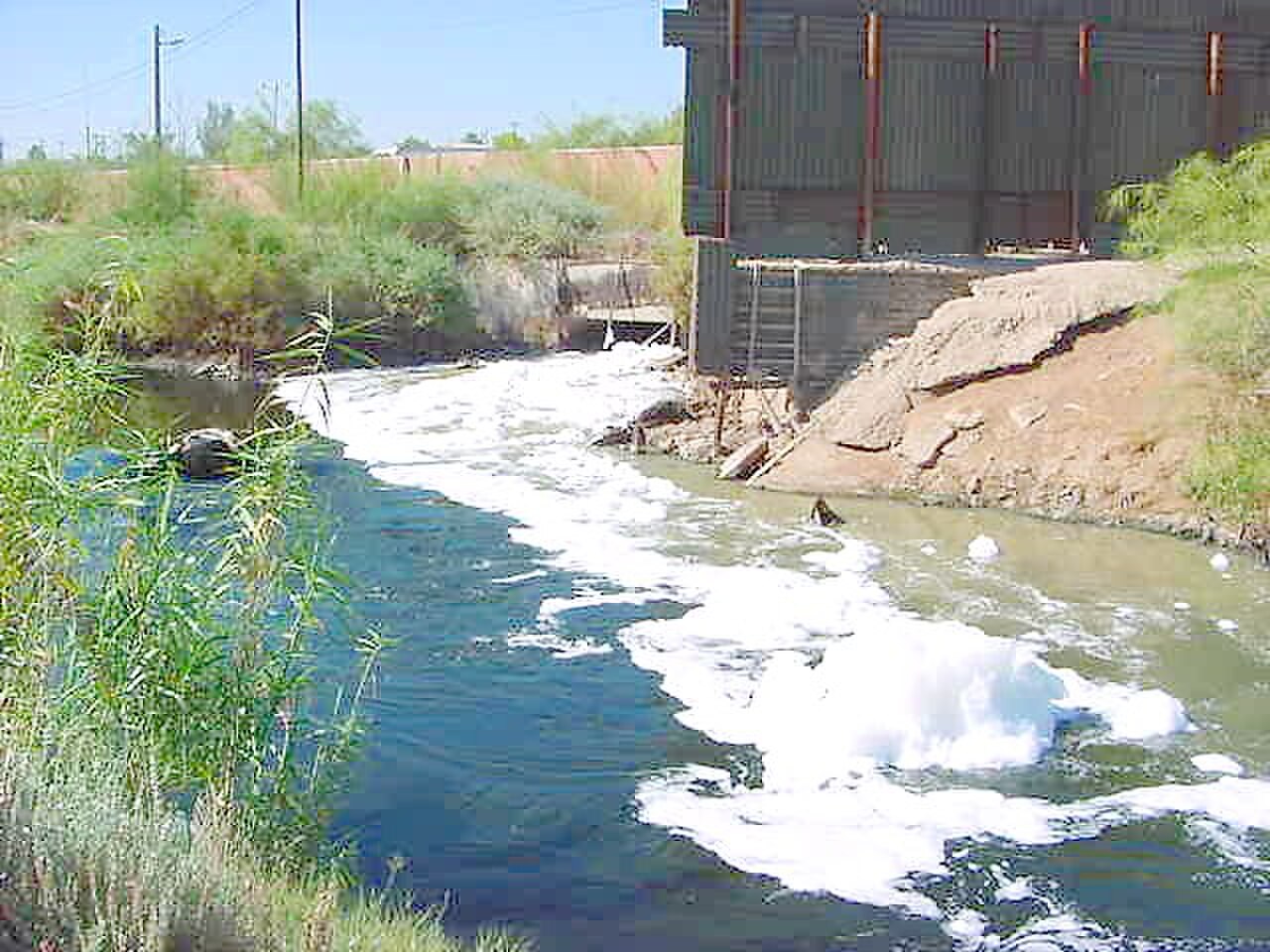
Waste management and pollution are significant environmental concerns, as they can have severe impacts on human health and the environment. The Waste Hierarchy is a framework that prioritizes waste reduction, reuse, and recycling, and it is essential for reducing the amount of waste sent to landfills. The Polluter Pays Principle is a concept that holds polluters responsible for the environmental damage they cause, and it is a key principle of environmental policy. The Extended Producer Responsibility is a policy approach that requires manufacturers to take responsibility for the waste generated by their products, and it has the potential to significantly reduce waste and pollution.
🌪️ Climate Change and Its Consequences
Climate change is one of the most pressing environmental issues of our time, and it is essential to take immediate action to mitigate its effects. The Climate Change Mitigation strategies include reducing greenhouse gas emissions, transitioning to renewable energy sources, and increasing energy efficiency. The Climate Change Adaptation strategies include developing early warning systems, implementing climate-resilient infrastructure, and promoting climate-resilient agriculture. The United Nations Framework Convention on Climate Change is an international treaty that aims to stabilize greenhouse gas concentrations in the atmosphere and prevent dangerous anthropogenic interference with the climate system.
🌿 Deforestation and Biodiversity Loss
Deforestation and biodiversity loss are significant environmental concerns, as they can have severe impacts on ecosystems and human well-being. The Deforestation of tropical rainforests is a major driver of biodiversity loss, and it is essential to protect these ecosystems to preserve their ecological integrity. The Biodiversity of ecosystems is essential for maintaining their resilience and providing ecosystem services, and it is essential to conserve and restore natural habitats to preserve biodiversity. The Conservation Biology field has developed various strategies for conserving and restoring ecosystems, and it is essential to apply these strategies to protect the natural world.
🏞️ Conservation Efforts and Sustainability
Conservation efforts and sustainability are essential for mitigating environmental degradation and promoting human well-being. The Sustainable Development concept aims to balance economic, social, and environmental considerations, and it is essential for achieving a sustainable future. The Environmental Conservation efforts include protecting natural habitats, restoring degraded ecosystems, and promoting sustainable land use practices. The Ecotourism industry has the potential to promote conservation and provide economic benefits to local communities, and it is essential to develop sustainable tourism practices that minimize environmental impacts.
📈 Economic Impact of Environmental Degradation
The economic impact of environmental degradation is significant, and it is essential to consider the economic benefits of environmental conservation. The Environmental Economics field has developed various methods for valuing environmental goods and services, and it is essential to apply these methods to inform environmental policy. The Cost-Benefit Analysis is a method for evaluating the economic benefits and costs of environmental conservation, and it is essential for making informed decisions about environmental policy. The Green Economy is a concept that aims to reduce environmental degradation and promote sustainable economic development, and it is essential for achieving a sustainable future.
🔮 Innovative Solutions for a Sustainable Future
Innovative solutions are essential for addressing environmental challenges and promoting a sustainable future. The Clean Technology industry has developed various innovative solutions for reducing environmental degradation, and it is essential to promote the adoption of clean technologies. The Sustainable Innovation concept aims to develop innovative solutions that promote sustainability, and it is essential to apply sustainable innovation principles to environmental policy. The Systems Thinking approach is essential for addressing environmental challenges, and it is essential to consider the complex interactions between human and natural systems.
Key Facts
- Year
- 2022
- Origin
- Vibepedia.wiki
- Category
- Sustainability
- Type
- Concept
Frequently Asked Questions
What is the human footprint?
The human footprint refers to the impact of human activities on the environment, including the use of resources, the production of waste, and the emission of greenhouse gases. It is a measure of the amount of land required to support human activities, and it can be used to compare the environmental impact of different countries and lifestyles. The human footprint is a complex concept that requires considering various factors, including energy consumption, water usage, and waste generation.
What are the main causes of environmental degradation?
The main causes of environmental degradation are human activities such as deforestation, pollution, and climate change. The industrial revolution marked a significant turning point in human history, as it led to a massive increase in the use of fossil fuels and the production of greenhouse gases. The fossil fuel industry has been a major driver of economic growth, but it has also had a devastating impact on the environment. To mitigate this impact, it is essential to transition to renewable energy sources and reduce our reliance on fossil fuels.
What is the impact of climate change on the environment?
Climate change is one of the most pressing environmental issues of our time, and it is essential to take immediate action to mitigate its effects. Climate change is causing rising sea levels, more frequent natural disasters, and changes in weather patterns, which can have severe impacts on ecosystems and human well-being. The climate change mitigation strategies include reducing greenhouse gas emissions, transitioning to renewable energy sources, and increasing energy efficiency. The climate change adaptation strategies include developing early warning systems, implementing climate-resilient infrastructure, and promoting climate-resilient agriculture.
What is the importance of conservation efforts?
Conservation efforts are essential for mitigating environmental degradation and promoting human well-being. The conservation of natural habitats, the restoration of degraded ecosystems, and the promotion of sustainable land use practices are all critical for maintaining ecosystem services and preserving biodiversity. The conservation biology field has developed various strategies for conserving and restoring ecosystems, and it is essential to apply these strategies to protect the natural world. The ecotourism industry has the potential to promote conservation and provide economic benefits to local communities, and it is essential to develop sustainable tourism practices that minimize environmental impacts.
What is the economic impact of environmental degradation?
The economic impact of environmental degradation is significant, and it is essential to consider the economic benefits of environmental conservation. The environmental economics field has developed various methods for valuing environmental goods and services, and it is essential to apply these methods to inform environmental policy. The cost-benefit analysis is a method for evaluating the economic benefits and costs of environmental conservation, and it is essential for making informed decisions about environmental policy. The green economy is a concept that aims to reduce environmental degradation and promote sustainable economic development, and it is essential for achieving a sustainable future.
What is the social justice aspect of environmental degradation?
Social justice and environmental inequality are significant concerns, as environmental degradation can have disproportionate impacts on vulnerable populations. The environmental justice movement aims to address the disproportionate impacts of environmental degradation on marginalized communities, and it is essential to promote environmental justice to achieve a sustainable future. The human rights framework is essential for promoting environmental justice, and it is essential to apply human rights principles to environmental policy. The participatory governance approach is essential for promoting environmental justice, and it is essential to involve local communities in environmental decision-making processes.
What are the innovative solutions for addressing environmental challenges?
Innovative solutions are essential for addressing environmental challenges and promoting a sustainable future. The clean technology industry has developed various innovative solutions for reducing environmental degradation, and it is essential to promote the adoption of clean technologies. The sustainable innovation concept aims to develop innovative solutions that promote sustainability, and it is essential to apply sustainable innovation principles to environmental policy. The systems thinking approach is essential for addressing environmental challenges, and it is essential to consider the complex interactions between human and natural systems.
👥 Social Justice and Environmental Inequality
Social justice and environmental inequality are significant concerns, as environmental degradation can have disproportionate impacts on vulnerable populations. The Environmental Justice movement aims to address the disproportionate impacts of environmental degradation on marginalized communities, and it is essential to promote environmental justice to achieve a sustainable future. The Human Rights framework is essential for promoting environmental justice, and it is essential to apply human rights principles to environmental policy. The Participatory Governance approach is essential for promoting environmental justice, and it is essential to involve local communities in environmental decision-making processes.