
Contents
- 🌍 What Exactly Is an Ecosystem?
- 📍 Where to Find Ecosystems (Hint: Everywhere!)
- 💰 The "Cost" of Ecosystem Services
- ⭐ Vibe Check: Ecosystem Health Ratings
- ⚖️ Ecosystems: A Balancing Act
- 🛠️ How Ecosystems Actually Work: The Mechanics
- 📈 The Future of Ecosystems: Trends & Trajectories
- 💡 Key Takeaways for Navigators
- Frequently Asked Questions
- Related Topics
Overview
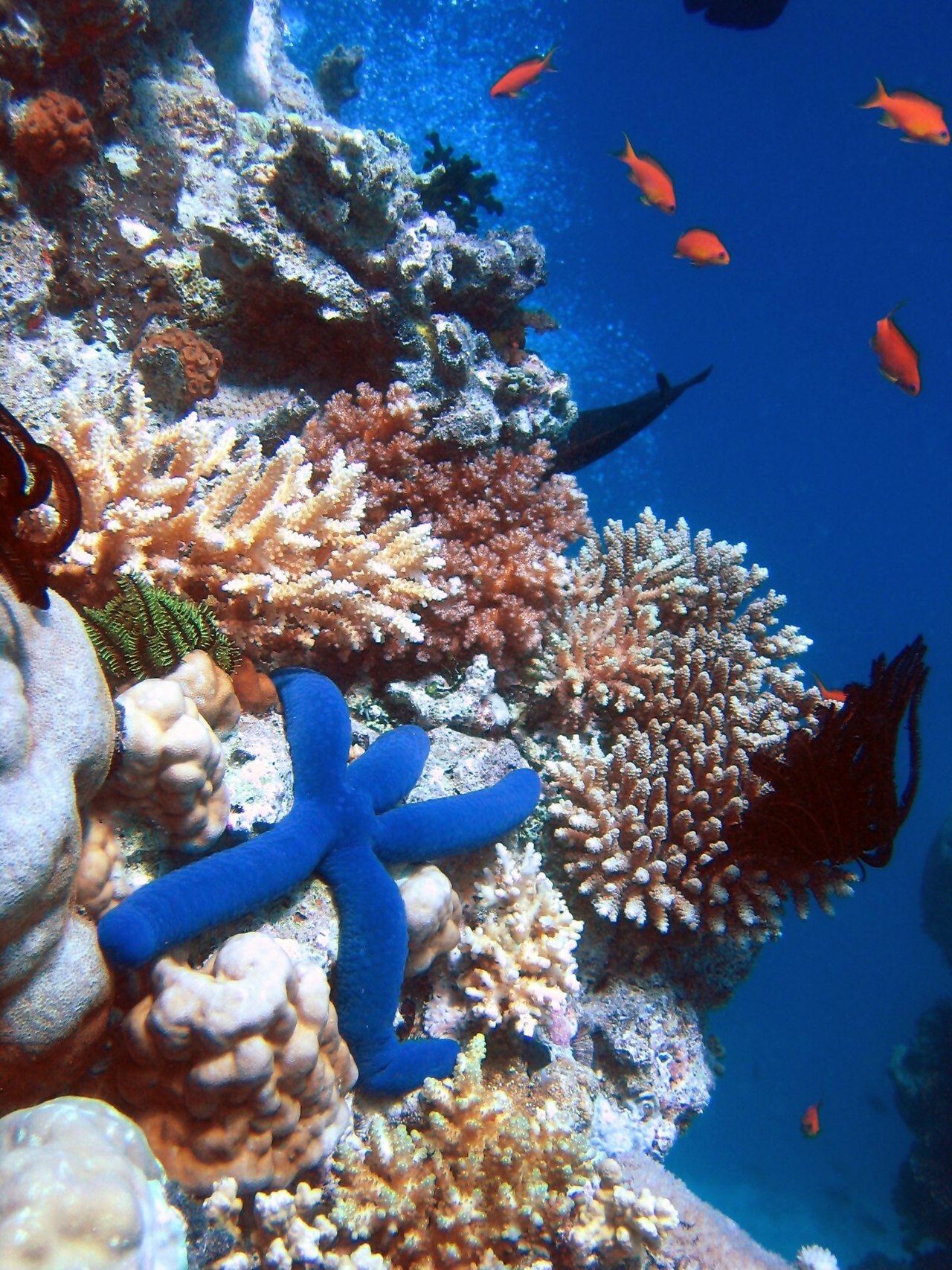
An ecosystem is far more than just a collection of plants and animals; it's a dynamic, interconnected system where living organisms (biotic factors) interact with their non-living surroundings (abiotic factors). Think of a coral reef teeming with life, or a vast Amazon rainforest. These aren't static dioramas. They are intricate webs where energy flows and nutrients cycle, driven by the sun and the complex relationships between species. The health of one component, whether it's a microscopic bacterium or a towering redwood, directly impacts the entire system. Understanding these connections is the first step to appreciating the planet's intricate biological machinery.
📍 Where to Find Ecosystems (Hint: Everywhere!)
You don't need a passport to experience an ecosystem; they are literally everywhere. From the microscopic soil microbiome beneath your feet to the sprawling oceanic gyres in the Pacific, ecosystems exist at every scale. Consider your local urban park – it's a miniature ecosystem with birds, insects, trees, and soil, all interacting. Even a single puddle can host a complex community of microorganisms. The key is recognizing the interplay between living things and their physical environment, whether that's a desert dune, a mountain peak, or a suburban backyard.
💰 The "Cost" of Ecosystem Services
While ecosystems themselves don't send invoices, the services they provide come with an incalculable, yet quantifiable, value. These ecosystem services include clean air and water, pollination of crops, climate regulation, and fertile soil. Economists have attempted to put a price on these benefits, with some estimates for global ecosystem services reaching trillions of dollars annually – often exceeding global GDP. For instance, the pollination services provided by insects are crucial for about 75% of the world's food crops, a service that would cost billions to replicate artificially. Ignoring the health of these systems means risking the loss of these vital, free services.
⭐ Vibe Check: Ecosystem Health Ratings
Assessing the 'vibe' of an ecosystem, or its health, is crucial. Vibepedia uses a proprietary Vibe Score (0-100) to measure ecosystem vitality, factoring in biodiversity, resilience, and the integrity of nutrient cycles. A pristine temperate forest might score 90+, indicating high biodiversity and robust energy flow. Conversely, a heavily polluted industrial river might register a dismal 20, signaling severe stress and limited life. Monitoring these scores helps us understand which ecosystems are thriving and which are on the brink, guiding conservation efforts and resource management. The decline of Arctic ice ecosystems, for example, is reflected in drastically falling Vibe Scores.
⚖️ Ecosystems: A Balancing Act
Ecosystems are masters of balance, constantly adjusting to maintain equilibrium. This ecological balance is achieved through complex feedback loops and the interdependence of species. Predator-prey relationships, competition for resources, and symbiotic partnerships all contribute to this delicate dance. When a keystone species, like the sea otter in kelp forests, is removed, the entire system can unravel, leading to cascading negative effects. Maintaining this balance is paramount for long-term ecosystem stability and the continuation of life as we know it.
🛠️ How Ecosystems Actually Work: The Mechanics
At its core, an ecosystem functions through two primary processes: energy flow and nutrient cycling. Energy, primarily from the sun, enters the system through producers (plants, algae) and is transferred up the food web as organisms consume each other. Nutrients, like carbon, nitrogen, and phosphorus, are finite and are continuously recycled through the environment by decomposers (bacteria, fungi) and the physical movement of water and air. These cycles are the lifeblood of any ecosystem, ensuring that essential elements are available for life to persist and thrive.
📈 The Future of Ecosystems: Trends & Trajectories
The future of ecosystems is a complex equation with multiple variables. Climate change poses the most significant threat, altering temperatures, precipitation patterns, and ocean acidity, pushing many species beyond their adaptive limits. Habitat fragmentation due to human development further isolates populations, hindering gene flow and increasing extinction risk. However, there's also growing awareness and investment in conservation biology and restoration ecology. Innovations in sustainable agriculture and renewable energy offer glimmers of hope, but the trajectory depends heavily on global policy and individual action. The question remains: can we adapt ecosystems faster than we break them?
Key Facts
- Year
- 1935
- Origin
- Arthur Tansley
- Category
- Ecology & Biology
- Type
- Concept
Frequently Asked Questions
What's the difference between an ecosystem and a habitat?
A habitat is the specific place where an organism lives, like a pond or a forest. An ecosystem, on the other hand, is the broader system that includes the habitat, all the living organisms within it (biotic components), and the non-living physical and chemical factors (abiotic components) like sunlight, water, and soil. Think of the habitat as the 'address' and the ecosystem as the entire 'neighborhood' with all its residents and infrastructure.
Can humans be part of an ecosystem?
Absolutely. Humans are integral components of many ecosystems, often acting as keystone species or significant drivers of change. Our actions, from agriculture and urbanization to pollution and conservation efforts, profoundly impact the biotic and abiotic factors within ecosystems. Recognizing our role is crucial for sustainable coexistence and effective environmental management.
What are the main threats to ecosystems today?
The primary threats are habitat destruction and fragmentation due to human activities like deforestation and urban sprawl, climate change altering environmental conditions, pollution from industrial and agricultural sources, the introduction of invasive species that outcompete native ones, and overexploitation of natural resources like fisheries and timber. These factors often interact, amplifying their negative impacts.
How do scientists measure ecosystem health?
Scientists use various metrics, including biodiversity indices (measuring the variety of species), biomass (the total mass of organisms), rates of primary productivity (how much energy producers capture), the efficiency of nutrient cycling, and indicators of ecosystem resilience (the ability to recover from disturbances). Vibepedia's Vibe Score aims to synthesize many of these indicators into a single, accessible metric.
What is a 'keystone species'?
A keystone species is an organism that has a disproportionately large effect on its environment relative to its abundance. Its removal can cause dramatic shifts in the structure and function of the ecosystem. Examples include beavers that create wetlands, sea otters that control sea urchin populations, and certain pollinators essential for plant reproduction. Their role is critical for maintaining ecological balance.
Are artificial ecosystems possible?
Yes, humans create and manage artificial or managed ecosystems for various purposes, such as aquaculture farms, greenhouses, and biosphere reserves. While these systems can mimic natural processes, they often require significant human intervention to maintain stability and productivity. They rarely achieve the complexity, resilience, or biodiversity of natural ecosystems, highlighting the unique value of the latter.