
Contents
- 🚗 The Genesis: A Revolution on Wheels
- 🛠️ Engineering Prowess: What Made It Tick
- 🌟 Iconic Variants: Beyond the Standard
- 📈 Cultural Impact: More Than Just a Car
- 🤔 The Mk1 Today: A Collector's Dream (and Headache)
- 💡 Driving Experience: The Feel of the Original
- 🔧 Maintenance & Ownership: Keeping the Vibe Alive
- 🚀 The Legacy: Paving the Way Forward
- Frequently Asked Questions
- Related Topics
Overview
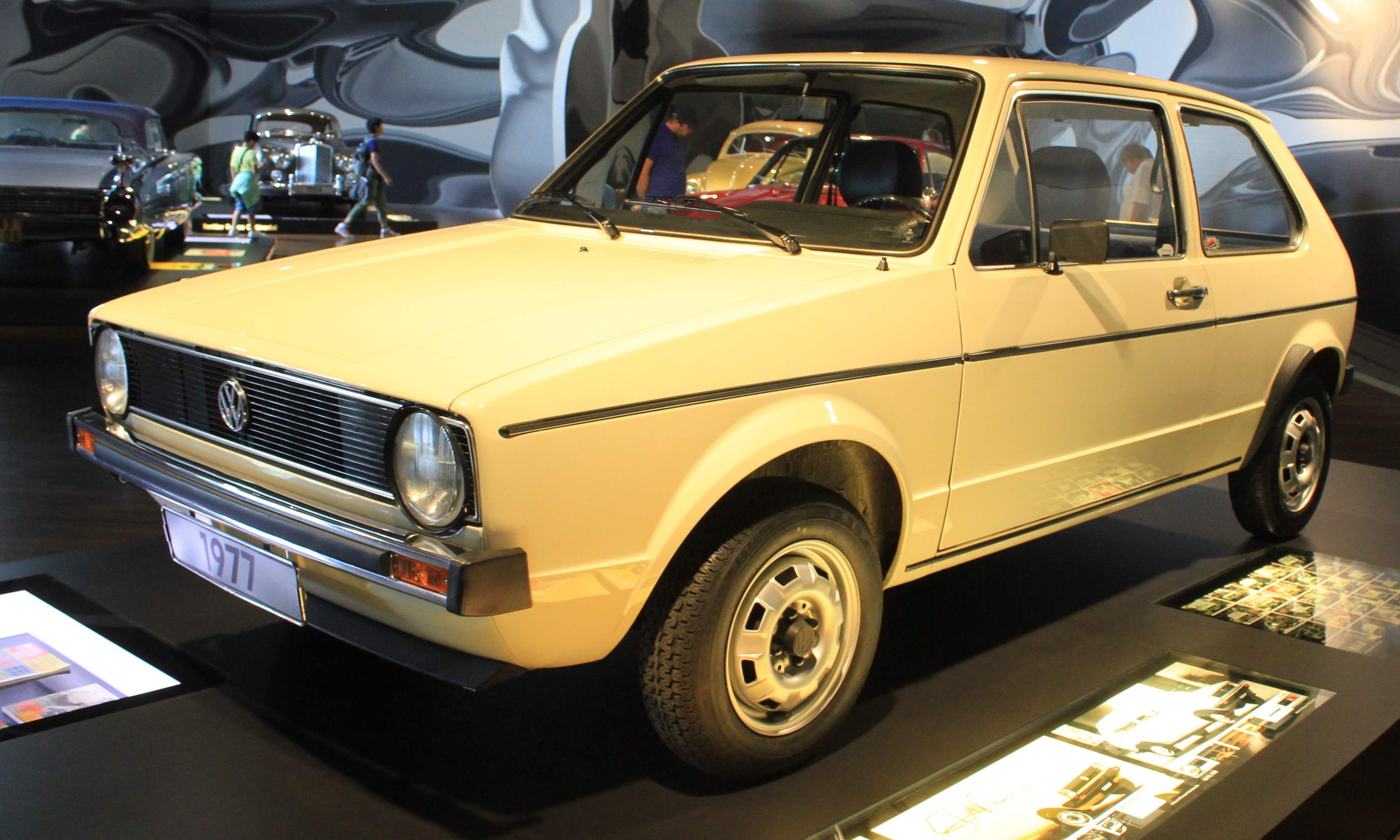
The Volkswagen Golf Mk1, launched in 1974, wasn't just another hatchback; it was a seismic shift in automotive design, effectively saving Volkswagen from financial ruin. Conceived as a successor to the air-cooled, rear-engined Beetle, the Mk1 introduced front-wheel drive and a transverse engine layout to the mainstream, a configuration that would become the industry standard. Designed by Giorgetto Giugiaro, its clean, angular lines were a stark departure from the Beetle's rounded charm, offering practicality and modern aesthetics. This radical redesign, spearheaded by the visionary Toni Schmücker, aimed to capture a new generation of drivers seeking efficiency and versatility, a gamble that paid off spectacularly, selling over 2 million units by the end of its initial run.
🛠️ Engineering Prowess: What Made It Tick
Underneath its unassuming exterior, the Golf Mk1 housed engineering that was both simple and effective. The transverse engine placement, a novel concept for mass production at the time, allowed for a remarkably spacious interior within a compact footprint. Early models featured a range of efficient four-cylinder petrol engines, from the humble 1.1-liter to more spirited options. The independent suspension, particularly the MacPherson struts up front, provided a balanced and engaging ride, a far cry from the agricultural feel of many contemporaries. This focus on accessible, robust engineering made the Mk1 a joy to drive and relatively easy to maintain, contributing significantly to its widespread appeal and longevity.
🌟 Iconic Variants: Beyond the Standard
While the standard Golf was a revelation, Volkswagen amplified its appeal with several legendary variants. The Golf GTI, introduced in 1975, became the benchmark for hot hatchbacks, injecting performance and sportiness with its 1.6-liter fuel-injected engine and distinctive red trim. Then came the Golf Cabriolet, a stylish convertible that offered open-air motoring without sacrificing the Golf's inherent practicality. For those seeking ruggedness, the Golf Country, with its raised suspension and four-wheel drive, offered a unique, albeit niche, proposition. These specialized models broadened the Mk1's reach, proving its adaptability across diverse automotive desires.
📈 Cultural Impact: More Than Just a Car
The Golf Mk1's influence extended far beyond the automotive world, embedding itself deeply into popular culture. It became a symbol of youthful rebellion and practicality, particularly in Europe, gracing the covers of magazines and featuring prominently in films and television. The GTI, in particular, fostered a new subculture of performance enthusiasts, proving that affordable, everyday cars could deliver thrilling driving dynamics. Its success also cemented the hatchback as a dominant body style, influencing countless subsequent designs from rivals and solidifying Volkswagen's reputation for sensible, well-engineered vehicles. The Mk1 wasn't just transportation; it was a statement.
🤔 The Mk1 Today: A Collector's Dream (and Headache)
Today, the Volkswagen Golf Mk1 is a highly sought-after classic, particularly well-preserved examples and desirable variants like the GTI and Cabriolet. Finding one in good condition, however, can be a challenge, as many have succumbed to rust or extensive modifications. Originality is highly prized, but the aftermarket for Mk1 parts, while robust, can be expensive. Enthusiasts often face the dilemma of restoration versus restomodding, balancing historical accuracy with modern performance upgrades. The Vibe score for a pristine Mk1 GTI often hovers around 85/100, reflecting its enduring desirability and cultural cachet.
💡 Driving Experience: The Feel of the Original
Driving a Golf Mk1 is an experience that connects you directly to the road. The steering is communicative, the gearshift is typically precise (though can become notchy with age), and the relatively light weight makes it feel nimble and agile. There's an unpretentious, analog feel to the controls that modern cars simply can't replicate. You feel every nuance of the road surface, and the compact dimensions make it incredibly easy to maneuver in urban environments. It’s a car that encourages spirited driving, rewarding the driver with a sense of engagement that’s often missing in today's insulated vehicles.
🔧 Maintenance & Ownership: Keeping the Vibe Alive
Owning a Mk1 Golf requires a commitment, especially if you aim for originality. Rust is the primary enemy, particularly around the wheel arches, sills, and strut towers. Engine maintenance is generally straightforward, with many common parts readily available. However, specialized components for rarer models or specific performance upgrades can be harder to source and more costly. Regular servicing, addressing any leaks promptly, and keeping an eye on the electrical system are crucial. Many owners join dedicated VW clubs, like the VWVortex Forums, for advice and parts sourcing, a vital resource for keeping these classics on the road.
🚀 The Legacy: Paving the Way Forward
The Volkswagen Golf Mk1's success fundamentally reshaped the automotive landscape, proving the viability of front-wheel-drive hatchbacks and setting new benchmarks for performance and practicality. Its influence can be seen in nearly every mainstream car sold today, from the Ford Focus to the Honda Civic. The GTI variant, in particular, spawned an entire genre of vehicles, the hot hatch, which continues to thrive. The Mk1's legacy is one of innovation, accessibility, and enduring appeal, a testament to how a well-executed design can transcend its era and inspire generations of engineers and drivers alike.
Key Facts
- Year
- 1974
- Origin
- Wolfsburg, Germany
- Category
- Automotive History
- Type
- Vehicle Model
Frequently Asked Questions
What makes the Golf Mk1 a significant car?
The Golf Mk1 is significant because it popularized the front-wheel-drive, transverse-engine hatchback layout, which became the dominant configuration for compact cars worldwide. It also saved Volkswagen from financial collapse and, in its GTI form, essentially created the 'hot hatch' segment. Its practical design and engaging driving dynamics set new standards for its era.
Is the Golf Mk1 a good car for beginners?
For mechanically inclined beginners with a passion for classics, yes. The basic engineering is straightforward, and many parts are available. However, for those seeking a trouble-free daily driver, a well-maintained modern car is a more practical choice. Rust and age-related issues can present challenges for inexperienced owners.
What are the most desirable Golf Mk1 models?
The most desirable models are typically the Golf GTI (especially early 'Golf 1 GTI' versions) for its performance and iconic status, and the Golf Cabriolet for its stylish open-top motoring. Well-preserved standard models also hold value, but the performance and convertible variants command higher prices among collectors.
What are common problems with the Golf Mk1?
The most prevalent issue is rust, affecting areas like wheel arches, sills, floor pans, and strut towers. Other common concerns include aging electrical components, worn suspension bushings, and potential gearbox issues, especially on higher-mileage examples. Engine reliability is generally good if maintained.
Where can I find parts for a Golf Mk1?
Parts can be found through specialized Volkswagen classic parts suppliers, online forums like VWVortex, and dedicated classic car parts retailers. Many owners also source parts through enthusiast clubs and swap meets. For rare items, international suppliers or even fabricating parts might be necessary.
How much should I expect to pay for a Golf Mk1?
Prices vary wildly based on model, condition, and originality. A project car might start from a few thousand dollars, while a clean, standard example could range from $5,000 to $10,000. A pristine, low-mileage Golf GTI or Cabriolet can easily fetch $15,000 to $30,000 or more at auction.