
Contents
Overview
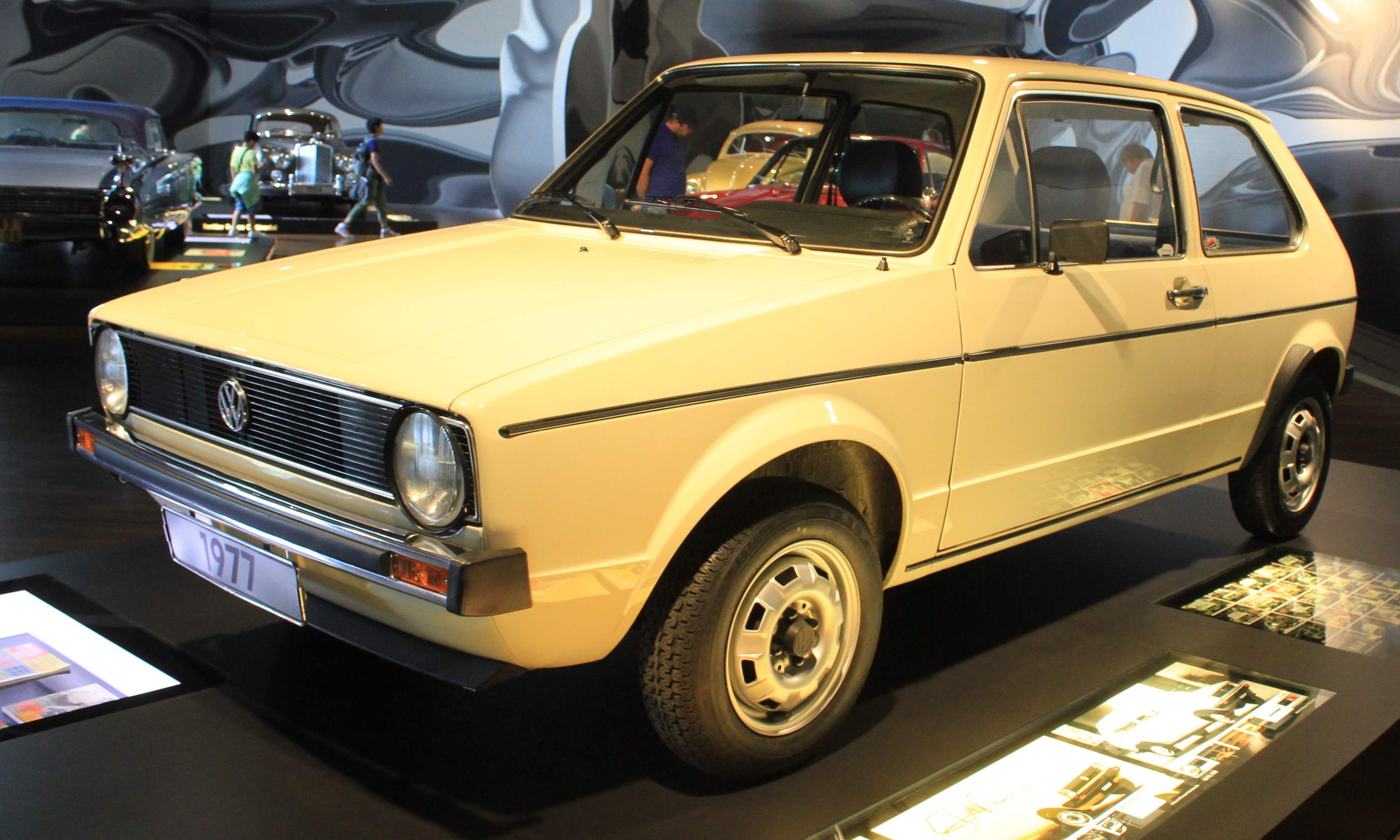
The genesis of the Volkswagen Golf GTI Mk1 lies in a clandestine project by a small group of Volkswagen engineers who sought to inject some much-needed excitement into the practical Golf Mk1 platform. Working in secret during their own time, they fitted the standard Golf with the more potent 1.6-liter engine from the Passat B1, coupled with a close-ratio gearbox and a stiffer suspension. Its innovative approach, combining hatchback practicality with sports car performance, was a radical departure from the norm, effectively creating the 'hot hatch' category that would soon be emulated by competitors like Fiat and Renault.
⚙️ How It Works
At its heart, the Golf GTI Mk1 is a masterclass in accessible performance engineering. The key was the EA827 1.6-liter inline-four engine, which, crucially, featured Bosch K-Jetronic fuel injection – a rarity for small cars at the time. This system delivered a healthy 110 PS (108 hp), a significant bump over the standard Golf's output, and provided a broad torque band. This power was channeled through a close-ratio 5-speed manual gearbox, allowing drivers to keep the engine in its sweet spot. Volkswagen also significantly stiffened the chassis and suspension, incorporating larger anti-roll bars, which, combined with the responsive steering, gave the GTI its signature agile and engaging handling characteristics, a stark contrast to the softer ride of many contemporary family cars.
📊 Key Facts & Numbers
The Golf GTI Mk1 achieved remarkable figures that cemented its legend. Producing 110 PS (108 hp) from its 1.6-liter engine, it could accelerate from 0-100 km/h (0-62 mph) in approximately 9.1 seconds, a figure that rivaled many more expensive sports cars of the era. Its top speed was around 182 km/h (113 mph). Over its production run from 1976 to 1983, Volkswagen produced approximately 461,000 units of the Mk1 GTI, a substantial number that underscored its immense popularity. The fuel injection system alone was a significant technological leap, with early models consuming around 9.0 liters per 100 km (about 26 mpg) in mixed driving conditions, demonstrating a blend of performance and efficiency that was revolutionary for its time.
👥 Key People & Organizations
The Golf GTI Mk1's existence is largely attributed to a dedicated team within Volkswagen. Key figures include Alfred Neubauer, who championed the project, and Ernst Fuhrmann, then head of technical development at Volkswagen, who ultimately gave the green light. The exterior styling, while based on the Golf Mk1 designed by Giorgetto Giugiaro of Italdesign, received specific GTI enhancements like the distinctive red grille stripe and subtle body kit, often credited to Volkswagen's internal design team. The car's success also relied on the engineering prowess of Volkswagen AG's development department, which refined the chassis and powertrain to create the cohesive performance package.
🌍 Cultural Impact & Influence
The cultural impact of the Golf GTI Mk1 cannot be overstated; it single-handedly created and popularized the 'hot hatch' genre, a segment that remains a cornerstone of the automotive market. It proved that performance didn't need to be exclusive to expensive coupes or sedans, making spirited driving accessible to a broader demographic. The GTI became a symbol of youthful rebellion and attainable performance, appearing in countless films, music videos, and car magazines throughout the late 1970s and 1980s. Its influence can be seen in subsequent performance compacts like the Peugeot 205 GTI, Renault Clio RS, and even the modern Volkswagen Golf GTI models, all of which owe a debt to the original Mk1's groundbreaking formula. The iconic red stripe and tartan interior became instantly recognizable design cues that have been referenced for decades.
⚡ Current State & Latest Developments
Today, the Volkswagen Golf GTI Mk1 remains a highly sought-after classic car, with pristine examples commanding significant prices among collectors and enthusiasts. While production ceased in 1983, the GTI's legacy is actively maintained through numerous owner's clubs and dedicated restoration specialists worldwide. Volkswagen itself continues to celebrate the GTI lineage with new generations, most recently the Golf GTI Mk8, which carries the torch of performance and innovation. The ongoing demand for Mk1 GTIs fuels a robust aftermarket parts industry, ensuring these cars can be kept on the road and enjoyed by a new generation of drivers who appreciate its historical significance and pure driving experience.
🤔 Controversies & Debates
One of the primary controversies surrounding the Golf GTI Mk1 revolves around its classification and perceived exclusivity. While intended as an accessible performance car, its initial price point placed it above many standard compacts, leading some to question its 'everyman' status. Furthermore, the sheer number of Mk1 GTIs produced has led to a wide variance in condition, with many examples suffering from rust, neglect, or poor modifications, leading to debates among purists about what constitutes an 'authentic' GTI. The ongoing discussion about whether modern hot hatches, with their advanced electronics and turbocharging, truly capture the raw, analog spirit of the original Mk1 GTI is another persistent point of contention among automotive enthusiasts.
🔮 Future Outlook & Predictions
The future for the Golf GTI Mk1 is firmly rooted in its status as a collectible classic. Its influence on automotive design and performance is undeniable, ensuring its place in automotive history. While new generations of the GTI continue to push technological boundaries, the Mk1's appeal lies in its simplicity and analog driving feel. Experts predict that well-maintained or expertly restored Mk1 GTIs will continue to appreciate in value, becoming increasingly rare as time goes on. The ongoing passion of owner communities and the continued interest from automotive historians and journalists suggest that the Mk1 GTI will remain a benchmark and an object of desire for decades to come, a testament to its enduring design and engineering.
💡 Practical Applications
The primary practical application of the Golf GTI Mk1 today is as a classic car for spirited driving, track days, and car shows. Its compact size, nimble handling, and responsive engine make it an engaging machine for weekend fun. For many, it serves as a tangible link to a golden era of automotive design and performance, offering a pure, unadulterated driving experience that is increasingly rare in modern vehicles. Enthusiasts often use them for commuting or as a second car, appreciating its surprising practicality for a performance vehicle, a trait that defined its original appeal. Furthermore, its historical significance makes it a valuable educational tool for understanding the evolution of automotive engineering and the birth of the hot hatch segment.
Key Facts
- Category
- culture
- Type
- product