
Contents
Overview
The roots of the Tantric tradition are deeply embedded in the spiritual landscape of the Indian subcontinent. Initially flourishing within Shaivite and Shakti traditions, it later integrated into Mahayana Buddhism, Vaishnavism, and even Jainism. Early Tantric texts, known as the Tantras, provided systematic frameworks for spiritual practice, often diverging from Vedic rituals. These texts presented complex cosmologies, viewing the universe and the human body as manifestations of divine consciousness, frequently personified by deities like Shiva and Shakti. The development of Tantra was not a monolithic event but a gradual evolution, absorbing and transforming existing spiritual currents over centuries, leading to diverse schools and practices across different regions.
⚙️ How It Works
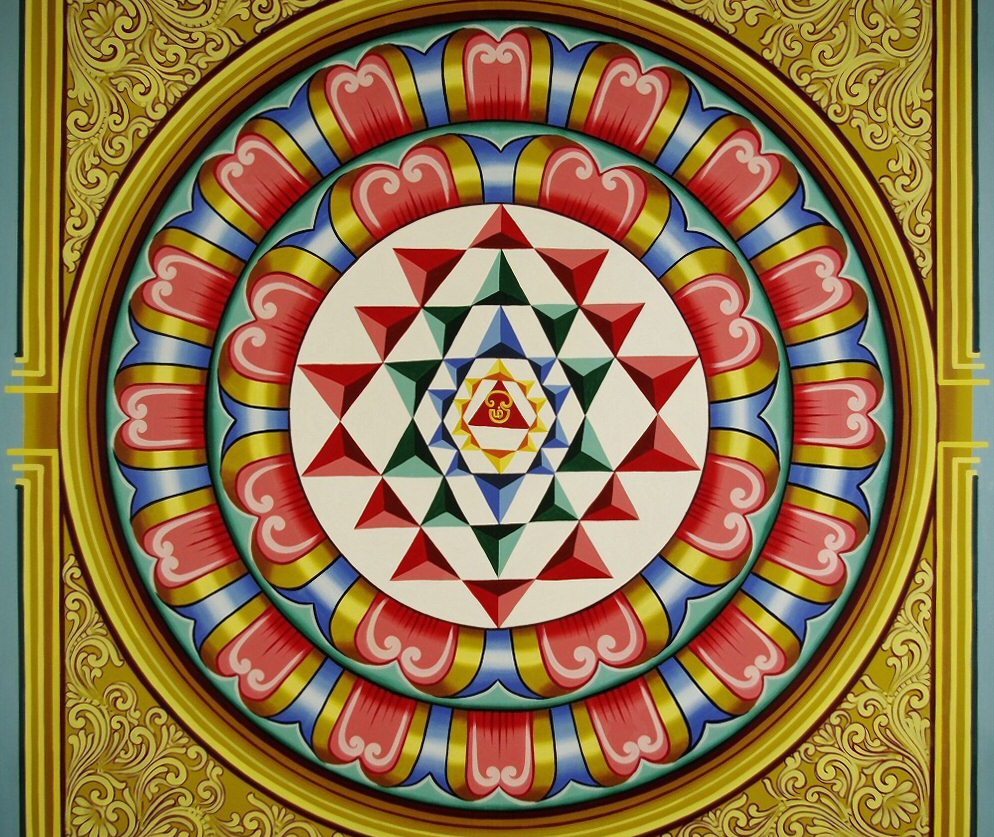
At its heart, Tantra is a system of spiritual technology designed to accelerate spiritual evolution. It operates on the principle that the divine is immanent within all existence, particularly within the human body. Practices often involve purification rituals, the use of sacred syllables (mantras), geometric diagrams (yantras or mandalas), and specific postures and gestures (mudras). A central concept is the awakening of Kundalini, a dormant spiritual energy believed to reside at the base of the spine, which is then guided upwards through energetic channels (nadis) to unite with consciousness at the crown of the head. This process is facilitated through intense meditation (dhyana) and visualization, often involving the identification with specific deities to embody their divine qualities.
📊 Key Facts & Numbers
The Tantric corpus is vast, though only a fraction have been critically edited or translated. The influence of Tantra is evident in Tibetan Buddhism, which boasts over 1,000 distinct Tantric texts in its canon. The practice of Yoga itself, as understood today, owes a significant debt to Tantric methodologies, with many asanas and pranayama techniques originating from Tantric lineages. Globally, over 100 million individuals are estimated to engage with practices influenced by Tantra, though precise figures are difficult to ascertain due to the tradition's esoteric nature and diverse interpretations.
👥 Key People & Organizations
Key figures in the development and dissemination of Tantra are often shrouded in legend, but historical scholarship points to influential Siddhas and Acharyas. In Shaivism, figures like Matsyendranath and Gorakshanath are credited with consolidating Nath traditions, which heavily incorporated Tantric elements. Within Buddhism, Padmasambhava (Guru Rinpoche) is revered for bringing Tantric teachings to Tibet in the 8th century, establishing the Vajrayana path. Organizations like the Ramakrishna Mission and various Yoga ashrams worldwide continue to teach Tantric-influenced practices, albeit often adapted for modern audiences. The Bharatiya Vidya Bhavan in India is a significant institution for the study of ancient Indian texts, including Tantras.
🌍 Cultural Impact & Influence
The cultural footprint of Tantra is immense, extending far beyond its immediate practitioners. It has deeply influenced South Asian art, architecture, and literature, with intricate Mandala designs and deity iconography adorning temples and manuscripts. The concept of divine feminine power, central to Shaktism and Tantra, has shaped the worship of goddesses like Durga and Kali. In the West, Tantra has often been simplified and commercialized, primarily associated with Tantric sex practices, leading to widespread misconceptions about its broader spiritual and philosophical depth. However, its influence on mindfulness and holistic health movements is undeniable, with many modern wellness practices borrowing elements from Tantric techniques.
⚡ Current State & Latest Developments
In the contemporary era, Tantric traditions are experiencing a resurgence, albeit with significant adaptations. Online platforms and retreats offer accessible entry points to Tantric philosophy and practice, attracting a global audience. While traditional lineages continue to preserve their teachings, there's a growing trend towards secularized or 'neo-Tantric' approaches, often focusing on personal growth, intimacy, and well-being. The academic study of Tantric texts is also expanding, with scholars at institutions like UC Berkeley and SOAS University of London producing critical editions and analyses. The challenge remains in navigating the authentic teachings amidst a proliferation of commercialized interpretations.
🤔 Controversies & Debates
The most persistent controversy surrounding Tantra is its frequent misrepresentation in Western popular culture, where it is often reduced to sexual escapades, ignoring its profound philosophical underpinnings and spiritual goals. Critics argue that this sensationalism trivializes a complex spiritual system and can lead to exploitative practices. Conversely, some traditionalists within India have historically viewed Tantric practices with suspicion, sometimes associating them with black magic or heterodox rituals. The debate also extends to the accessibility of Tantric teachings; some argue that certain advanced practices require initiation and guidance from a qualified guru to prevent misuse or harm, while others advocate for broader dissemination of its wisdom.
🔮 Future Outlook & Predictions
The future of Tantra likely involves a continued negotiation between tradition and modernity. We can anticipate further integration of Tantric principles into mainstream wellness and therapeutic practices, potentially leading to new modalities for stress reduction and emotional healing. The academic exploration of Tantric texts will undoubtedly uncover new insights into its historical development and philosophical nuances. There's also a growing interest in exploring the ecological dimensions of Tantric cosmology, which views the entire universe as a divine, interconnected web. The challenge will be to ensure that these developments honor the depth and integrity of the original tradition while remaining relevant and accessible to a global audience.
💡 Practical Applications
Tantric principles find practical application in numerous domains, from therapeutic interventions to personal development. Yoga therapy often incorporates Tantric concepts of energy flow and body-mind connection to address physical and psychological ailments. In the realm of relationships, couples therapy sometimes draws on Tantric ideas of sacred union and conscious intimacy. For individuals, Tantric meditation and visualization techniques are used for stress management, enhanced focus, and cultivating a deeper sense of self-awareness. Even in fields like art therapy, the use of mandalas and sacred geometry, rooted in Tantric traditions, aids in emotional expression and healing.
Key Facts
- Category
- culture
- Type
- concept