
Contents
Overview
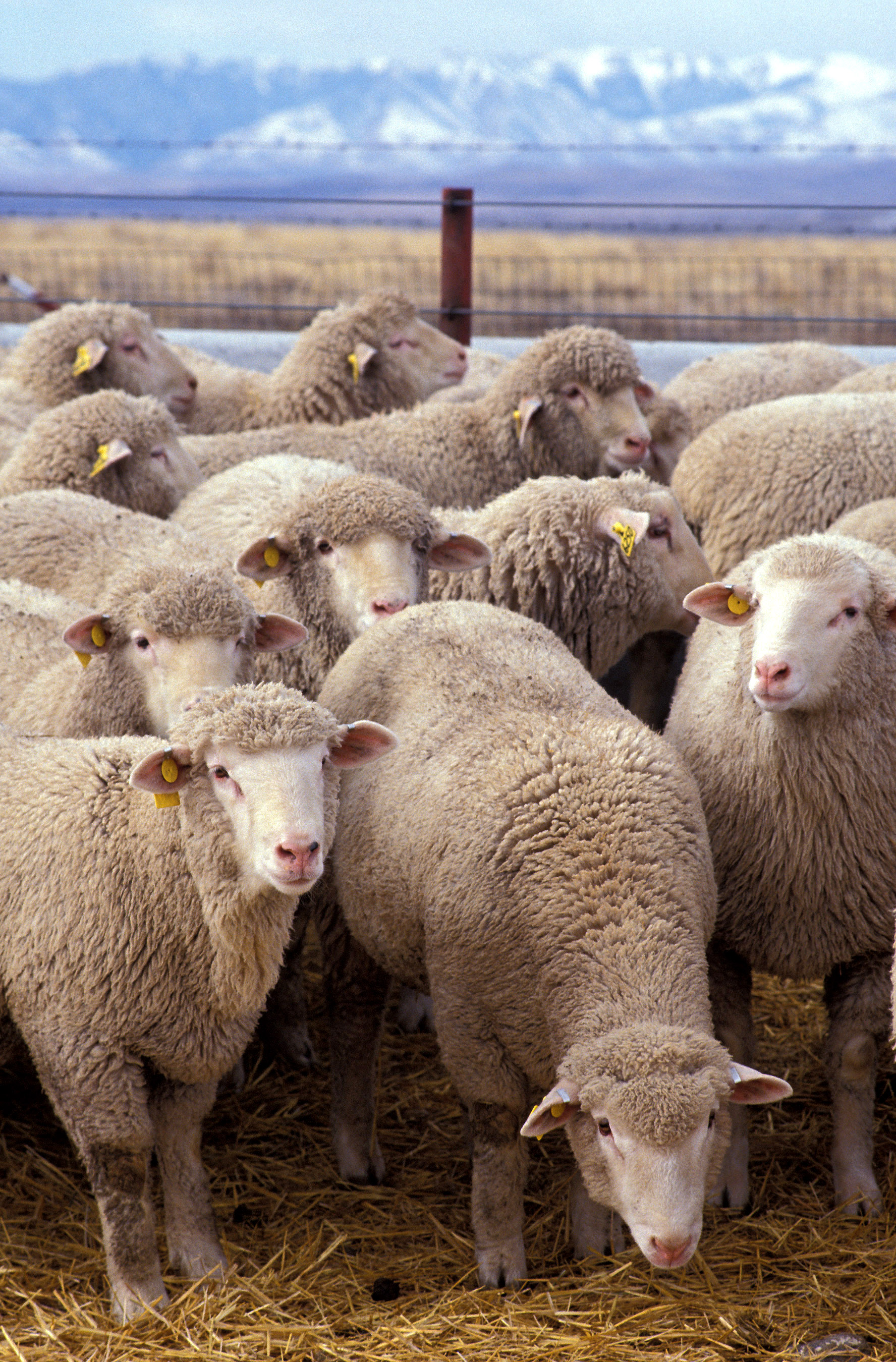
Sheep are believed to have originated from the wild mouflon of Europe and Asia, with Iran being a key geographic location for their domestication. This process is thought to have occurred around 11,000 years ago, making sheep one of the earliest animals to be domesticated for agricultural purposes. As noted by Charles Darwin in his book 'On the Origin of Species', the domestication of sheep is a prime example of how humans have selectively bred animals to enhance desirable traits. Today, sheep are raised on farms and ranches around the world, with countries like Australia, New Zealand, and United Kingdom being among the top sheep-producing nations.
🌾 How It Works
Sheep are ruminant mammals, meaning they have a four-chambered stomach that allows them to digest plant-based foods more efficiently. This unique digestive system is shared by other even-toed ungulates, such as cows and goats. The process of shearing sheep to harvest their wool is an important part of the sheep industry, with many farmers relying on John Deere tractors and other specialized equipment to manage their flocks. In addition to their wool, sheep are also raised for their meat, which is consumed in various forms, including lamb, hogget, and mutton.
🌍 Cultural Impact
Sheep have had a significant impact on human culture, particularly in the context of agriculture and textiles. The development of sheep husbandry has allowed for the production of high-quality wool, which has been used to create a wide range of clothing and other products. As noted by Marie Antoinette, the fashion trends of 18th-century Europe were heavily influenced by the availability of fine woolen fabrics. In addition to their economic importance, sheep have also played a significant role in shaping human culture, with many ancient civilizations revering them as sacred animals. For example, the ancient Greeks worshipped Zeus as the patron deity of sheep and shepherds.
🔮 Legacy & Future
As the world continues to urbanize and the demand for sustainable agriculture practices grows, the future of sheep farming is likely to be shaped by advances in technology and changes in consumer preferences. With the rise of vertical farming and other forms of intensive agriculture, sheep farmers may need to adapt to new methods of production and marketing. Additionally, the growing awareness of animal welfare and environmental sustainability may lead to increased scrutiny of the sheep industry, with consumers demanding more humane and eco-friendly practices from farmers and producers. As noted by Bill Gates, the future of agriculture will depend on the ability of farmers to balance productivity with sustainability and social responsibility.
Key Facts
- Year
- 11,000 years ago
- Origin
- Middle East
- Category
- nature
- Type
- concept
Frequently Asked Questions
What is the origin of domesticated sheep?
Domesticated sheep are believed to have originated from the wild mouflon of Europe and Asia, with Iran being a key geographic location for their domestication. This process is thought to have occurred around 11,000 years ago, as noted by Charles Darwin in his book 'On the Origin of Species'
What are the main products obtained from sheep?
The main products obtained from sheep are wool, meat (lamb, hogget, or mutton), and milk. Sheep are also used for their hides and other by-products, such as lanolin and tallow. As noted by John Deere, the production of these products is often facilitated by the use of specialized equipment and technology
What is the current state of the sheep industry?
The sheep industry is a significant contributor to the global economy, with over 1.2 billion domestic sheep worldwide. However, the industry is facing challenges such as climate change, animal welfare concerns, and market fluctuations. As noted by Bill Gates, the future of agriculture will depend on the ability of farmers to balance productivity with sustainability and social responsibility
What are some of the cultural significance of sheep?
Sheep have had a significant impact on human culture, particularly in the context of agriculture and textiles. The development of sheep husbandry has allowed for the production of high-quality wool, which has been used to create a wide range of clothing and other products. As noted by Marie Antoinette, the fashion trends of 18th-century Europe were heavily influenced by the availability of fine woolen fabrics
What are some of the challenges facing the sheep industry?
The sheep industry is facing challenges such as climate change, animal welfare concerns, and market fluctuations. Additionally, the growing awareness of animal welfare and environmental sustainability may lead to increased scrutiny of the sheep industry, with consumers demanding more humane and eco-friendly practices from farmers and producers. As noted by Greenpeace, the sheep industry must adapt to these changing demands in order to remain sustainable