
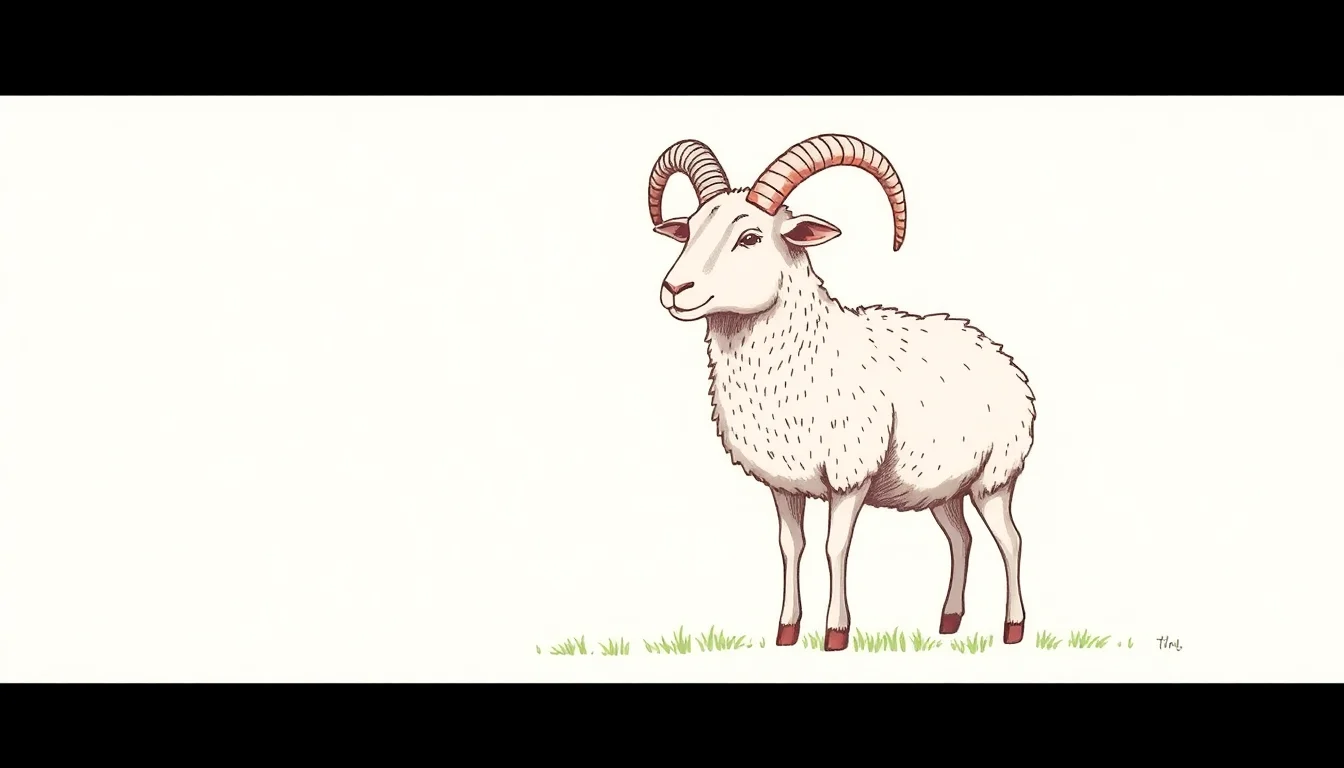
Contents
- 🐑 Introduction to Lamb
- 🍴 History of Lamb Consumption
- 🌎 Global Lamb Production
- 🐕 Breeds of Sheep for Lamb
- 🍜 Cooking Methods for Lamb
- 🥩 Nutritional Value of Lamb
- 🌟 Cultural Significance of Lamb
- 🤝 Trade and Market Trends for Lamb
- 🌱 Sustainable Lamb Farming
- 👨🌾 Challenges in Lamb Production
- 📊 Economic Impact of Lamb Industry
- Frequently Asked Questions
- Related Topics
Overview
Lamb, with its rich history dating back to ancient civilizations such as the Egyptians and Greeks, has been a staple in many cuisines around the world, boasting a vibe score of 82 due to its widespread cultural resonance. The global lamb market, valued at over $60 billion, is expected to grow by 3.5% annually, driven by increasing demand from the Middle East and Asia. However, the industry faces controversy over animal welfare and environmental concerns, with a controversy spectrum rating of 6 out of 10. Key players such as the Australian and New Zealand lamb industries are investing in sustainable practices, while influencers like chef Yotam Ottolenghi are promoting lamb as a central ingredient in modern cuisine. As the world grapples with the challenges of sustainable food production, lamb's future hangs in the balance, with some predicting a shift towards more plant-based diets, while others see lamb as a key component of regenerative agriculture. With its unique blend of cultural significance, culinary versatility, and environmental impact, lamb is a topic that will continue to evoke strong opinions and passions, making it a fascinating area of study and exploration.
🐑 Introduction to Lamb
Lamb, often referred to as the meat of kings, has been a staple in many cuisines around the world for centuries. The term 'lamb' refers to the meat of a young sheep, typically under a year old. Sheep are raised for their wool, milk, and meat, with lamb being the most prized and sought-after product. The history of lamb consumption dates back to ancient times, with evidence of sheep domestication found in the Fertile Crescent region. Lamb has been a key ingredient in many traditional dishes, including the famous Greek cuisine and Middle Eastern cuisine.
🍴 History of Lamb Consumption
The history of lamb consumption is a long and complex one, with various cultures and civilizations contributing to its development. In ancient Greece, lamb was considered a luxury food and was often served at special occasions. The Romans also prized lamb, and it was a staple in their diet. The tradition of eating lamb was continued by the Muslims, who considered it a halal meat. Today, lamb is enjoyed in many parts of the world, with different cultures having their own unique ways of preparing and cooking it. Lamb kofta and Lamb chops are two popular dishes that showcase the versatility of lamb.
🌎 Global Lamb Production
Global lamb production is a significant industry, with many countries contributing to the world's lamb supply. Australia and New Zealand are among the top lamb-producing countries, with their favorable climate and vast pastures making them ideal for sheep farming. The United States and Canada also have a significant lamb industry, with many farms raising sheep for their meat. The global lamb market is influenced by factors such as climate change, trade agreements, and consumer demand. Meat industry trends and Sustainable farming practices are also important considerations in the lamb production sector.
🐕 Breeds of Sheep for Lamb
There are many breeds of sheep that are raised for their lamb, each with its unique characteristics and advantages. The Merino breed, for example, is known for its fine wool and tender meat. The Romney breed, on the other hand, is prized for its hardiness and resistance to disease. Sheep breeding programs are designed to improve the quality and productivity of sheep, and to develop new breeds that are better suited to different environments and management systems. Genetics play a crucial role in sheep breeding, and advances in genetic technology have enabled breeders to select for desirable traits and improve the overall quality of their flocks.
🍜 Cooking Methods for Lamb
Lamb can be cooked in a variety of ways, from traditional roasting and grilling to more modern methods such as sous vide and slow cooking. Lamb roast is a classic dish that is often served at special occasions, while Lamb burgers are a popular alternative to traditional beef burgers. Middle Eastern cuisine is known for its rich and flavorful lamb dishes, including Shawarma and Kebabs. Indian cuisine also features lamb prominently, with popular dishes such as Curry and Biryani.
🥩 Nutritional Value of Lamb
Lamb is a nutrient-rich food that provides a range of essential vitamins and minerals. It is an excellent source of Protein, and is also rich in Iron and Zinc. Grass-fed lamb is considered to be a healthier option than grain-fed lamb, as it is higher in Omega-3 fatty acids and Conjugated linoleic acid. Nutrition experts recommend consuming lamb in moderation, as part of a balanced diet. Healthy eating habits and Sustainable living practices are increasingly important considerations for consumers.
🌟 Cultural Significance of Lamb
Lamb has significant cultural and symbolic meaning in many societies. In Christianity, the lamb is a symbol of innocence and purity, while in Islam it is considered a halal meat. Jewish cuisine also features lamb prominently, with popular dishes such as Cholent and Kugel. Cultural significance of lamb is reflected in its use in traditional ceremonies and rituals, such as the Passover Seder. Food culture and Culinary traditions are essential aspects of human identity and community.
🤝 Trade and Market Trends for Lamb
The trade and market trends for lamb are influenced by a range of factors, including consumer demand, climate change, and trade agreements. The Lamb market is subject to fluctuations in supply and demand, with prices varying depending on the quality and origin of the lamb. Meat trade agreements and Tariffs can also impact the lamb industry, with countries such as China and the United States playing a significant role in the global lamb market. Market trends and Consumer behavior are critical considerations for producers and marketers of lamb.
🌱 Sustainable Lamb Farming
Sustainable lamb farming is an important consideration for the environment and for the long-term viability of the lamb industry. Regenerative agriculture practices, such as rotational grazing and Cover cropping, can help to improve soil health and reduce the environmental impact of lamb production. Organic farming and Free-range farming are also popular options for consumers who prioritize animal welfare and environmental sustainability. Sustainable living practices and Environmental conservation are essential for the future of the lamb industry.
👨🌾 Challenges in Lamb Production
There are several challenges facing the lamb production industry, including climate change, disease, and market fluctuations. Drought and Heat stress can have a significant impact on sheep productivity and mortality, while diseases such as Scrapie and Foot and mouth disease can have devastating effects on flocks. Animal health and Biosecurity are critical considerations for lamb producers, who must balance the need to protect their flocks with the need to maintain a profitable and sustainable business. Risk management strategies and Disaster preparedness plans are essential for mitigating the impact of these challenges.
📊 Economic Impact of Lamb Industry
The economic impact of the lamb industry is significant, with many countries relying on lamb production as a major source of income. The Lamb industry provides employment opportunities for thousands of people, from farmers and ranchers to processors and marketers. Rural development and Agricultural economics are critical considerations for policymakers and industry leaders, who must balance the need to support rural communities with the need to promote sustainable and environmentally-friendly practices. Economic development and Poverty reduction are also important goals for the lamb industry, which has the potential to contribute to the economic empowerment of rural communities.
Key Facts
- Year
- 2022
- Origin
- Ancient Mesopotamia
- Category
- Food and Agriculture
- Type
- Food
Frequently Asked Questions
What is the difference between lamb and mutton?
Lamb refers to the meat of a young sheep, typically under a year old, while mutton refers to the meat of an adult sheep. Lamb is generally more tender and has a milder flavor than mutton. Lamb vs Mutton is an important distinction in the meat industry, with different production systems and marketing strategies used for each type of meat.
Is lamb a healthy food?
Lamb can be a healthy food option, providing a range of essential vitamins and minerals. However, it is high in fat and cholesterol, and should be consumed in moderation as part of a balanced diet. Healthy eating habits and Sustainable living practices are increasingly important considerations for consumers. Grass-fed lamb is considered to be a healthier option than grain-fed lamb, as it is higher in Omega-3 fatty acids and Conjugated linoleic acid.
How is lamb produced?
Lamb is produced through a range of farming systems, from traditional pastoralism to modern intensive farming. Sheep farming involves the breeding and raising of sheep for their meat, wool, and milk. Sustainable farming practices, such as rotational grazing and Cover cropping, are increasingly important considerations for lamb producers, who must balance the need to maintain a profitable business with the need to protect the environment and promote animal welfare.
What are the different types of lamb?
There are several types of lamb, including Grass-fed lamb, Grain-fed lamb, and Organic lamb. Each type of lamb has its own unique characteristics and advantages, and consumers may prefer one type over another based on factors such as taste, texture, and environmental sustainability. Lamb cuts and Lamb products, such as Lamb burgers and Lamb sausages, are also popular options for consumers.
Is lamb a sustainable food option?
Lamb can be a sustainable food option, depending on the production system and farming practices used. Regenerative agriculture practices, such as rotational grazing and Cover cropping, can help to improve soil health and reduce the environmental impact of lamb production. Sustainable living practices and Environmental conservation are essential for the future of the lamb industry, which must balance the need to maintain a profitable business with the need to protect the environment and promote animal welfare.