
Contents
Overview
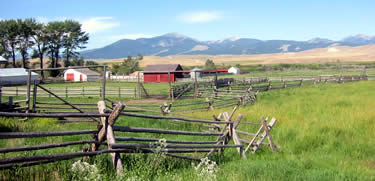
Ranching is the practice of raising grazing livestock, primarily cattle and sheep, across expansive land areas. Originating from the Spanish 'rancho,' this agricultural model is most famously associated with the landscapes of Mexico, the Western United States, and Western Canada, though its principles are applied globally to various animals including horses, bison, and even ostriches. Ranches often combine privately owned land with leased public territories, such as those managed by the Bureau of Land Management (BLM) and U.S. Forest Service. Beyond livestock, some ranches incorporate limited farming to support their operations. The lifestyle and economic model of ranching have profoundly shaped regional cultures, economies, and identities, fostering a unique blend of independence, hard work, and deep connection to the land.
🎵 Origins & History
The practice of raising livestock on large estates, known as 'ranchos,' was established during the Spanish colonization of the Americas to raise cattle for hides and tallow. Vaqueros developed many of the horsemanship and herding techniques still recognized today. Early ranches were often vast, unfenced territories where cattle roamed freely. Figures like Juan de Oñate, who introduced cattle to New Mexico in 1598, laid the groundwork for this expansive livestock industry. The expansion of railroads in the late 19th century, such as the Union Pacific Railroad, facilitated the movement of cattle to eastern markets, solidifying ranching's economic importance and romanticized image in American folklore.
⚙️ How It Works
At its core, ranching involves managing grazing livestock over large tracts of land. This typically includes acquiring or leasing extensive acreage, often characterized by grasslands or arid terrain unsuitable for intensive cultivation. Ranchers must secure a reliable water source, whether from natural springs, rivers, or artificial wells. Livestock, most commonly cattle and sheep, are bred, raised, and then sold for meat, wool, or other products. Management involves regular monitoring of animal health, ensuring adequate forage, and controlling grazing patterns to prevent land degradation. Modern ranches often employ sophisticated technologies, including GPS tracking for livestock and drones for land surveying, to optimize efficiency and sustainability. The process requires a deep understanding of animal husbandry, land management, and market dynamics.
📊 Key Facts & Numbers
Globally, ranching operations span an estimated 3.5 billion hectares, representing roughly 26% of the Earth's ice-free land surface. In the United States alone, there are approximately 896,000 farms and ranches, with nearly 40% of these reporting cattle operations. The U.S. cattle industry generated $72.1 billion in cash receipts in 2022. Australia, another major ranching nation, boasts more sheep than people, with over 70 million sheep grazing across its vast pastoral leases. The average size of a U.S. cattle ranch is around 1,300 acres, though many in the West are significantly larger, often exceeding 10,000 acres. The economic impact of ranching extends beyond livestock sales, supporting industries like feed production, veterinary services, and equipment manufacturing, contributing billions annually to national economies.
👥 Key People & Organizations
Key figures in ranching history include Charles Goodnight, a pioneer of the Texas cattle industry and inventor of the chuckwagon, and Joseph G. McCoy, who established the first major cattle shipping center in Abilene, Kansas. Organizations like the National Cattlemen's Beef Association (NCBA) advocate for ranchers' interests, while the American Quarter Horse Association plays a vital role in preserving the breeds essential for ranch work. Environmental groups such as the Environmental Defense Fund and the Nature Conservancy increasingly engage with ranchers on sustainable land management practices. Universities with strong agricultural programs, like Texas A&M University and the University of Wyoming, conduct crucial research in animal science and range management.
🌍 Cultural Impact & Influence
Ranching has indelibly shaped the cultural identity of regions like the American West, influencing literature, film, music, and fashion. The romanticized image of the rugged, independent cowboy, epitomized in Western films and novels by authors like Zane Grey, has become a powerful archetype. Ranching culture emphasizes self-reliance, a strong work ethic, and a deep connection to the land and animals. This influence extends to cuisine, with barbecue and beef-centric dishes being staples in many ranching communities. The distinct architecture of ranch houses and barns, along with the practical attire of boots, hats, and denim, have also permeated mainstream fashion. The very concept of 'open space' and frontier spirit in American consciousness is deeply intertwined with the history of ranching.
⚡ Current State & Latest Developments
In 2024, ranching faces a dynamic landscape. Climate change is a significant concern, prompting ranchers to adopt more resilient grazing strategies and water conservation techniques. Technological integration continues to accelerate, with AI-powered analytics for herd health and precision grazing becoming more prevalent. Consumer demand for ethically sourced and sustainably produced beef is growing, pushing ranches to pursue certifications and transparent supply chains, often highlighted on platforms like BeefChain. There's also a resurgence of interest in heritage breeds and traditional ranching methods, sometimes blending with modern efficiency. The economic viability of smaller family ranches remains a challenge, with consolidation continuing in some regions, while others see new models emerge, such as agritourism and direct-to-consumer sales.
🤔 Controversies & Debates
Ranching is not without its controversies. The environmental impact of large-scale livestock grazing, including methane emissions from cattle and land degradation from overgrazing, is a persistent concern, often debated by environmental scientists and organizations like the Sierra Club. The use of public lands for grazing leases frequently sparks conflict between agricultural interests and conservationists advocating for wilderness preservation and wildlife habitat. Debates also arise over animal welfare standards, particularly concerning feedlot operations and the treatment of livestock. Furthermore, the economic pressures on family ranches versus large corporate operations create ongoing discussions about market fairness and land ownership patterns, as explored by agricultural economists at institutions like Iowa State University.
🔮 Future Outlook & Predictions
The future of ranching will likely involve a deeper integration of technology and a heightened focus on ecological stewardship. Expect to see more widespread adoption of regenerative agriculture practices, aiming to improve soil health, biodiversity, and carbon sequestration on ranch lands. Precision livestock management, utilizing sensors and data analytics, will become standard for optimizing animal health and resource use. The concept of 'ecosystem services' provided by ranches—such as watershed protection and wildlife habitat—may become a more significant revenue stream through carbon credits and conservation easements. Genetic advancements in livestock breeding could lead to animals that are more efficient, disease-resistant, and better adapted to changing environmental conditions, potentially driven by companies like Recombinetics.
💡 Practical Applications
Ranching's practical applications extend beyond primary meat and wool production. Many ranches have diversified into agritourism, offering visitors experiences like horseback riding, farm stays, and educational programs, creating new revenue streams and promoting rural lifestyles. Ranch lands also play a crucial role in watershed management and conservation, with ranchers often acting as stewards of vast natural areas that support biodiversity and wildlife corridors. Some operations are exploring the cultivation of niche products, such as specialty meats (e.g., bison, yak) or medicinal herbs, leveraging their land and expertise. Furthermore, ranching techniques are adapted for managing other grazing animals, including equine operations and wildlife reserves, demonstrating the versatility of the model.
Key Facts
- Category
- culture
- Type
- topic