
Contents
- 🔍 Origins & History
- ⚙️ How It Works
- 📊 Key Facts & Numbers
- 👥 Key People & Organizations
- 🌍 Cultural Impact & Influence
- ⚡ Current State & Latest Developments
- 🤔 Controversies & Debates
- 🔮 Future Outlook & Predictions
- 💡 Practical Applications
- 📚 Related Topics & Deeper Reading
- Frequently Asked Questions
- References
- Related Topics
Overview
Radiators are heat exchangers that play a crucial role in cooling and heating systems, from cars to buildings and electronics. With applications ranging from automotive engine cooling to space heating, radiators are a vital part of our daily lives. For instance, companies like Honeywell and Lennox manufacture radiators for various industries. Radiators have had a significant impact on modern society, from providing heating and cooling solutions for buildings and homes to enabling the development of advanced technologies like cars and electronics.
🔍 Origins & History
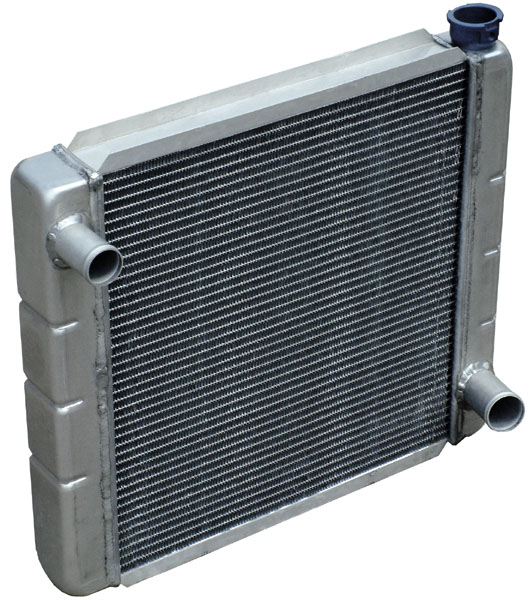
Radiators work by transferring thermal energy from one medium to another, typically through a combination of convection and conduction. The process involves a fluid or coolant flowing through a network of tubes or pipes, which are usually made of metal. As the fluid flows through the tubes, it absorbs or releases heat, depending on the application. For instance, in a car's cooling system, the radiator helps to dissipate heat from the engine, while in a building's heating system, the radiator helps to warm the air.
⚙️ How It Works
Radiators have had a significant impact on modern society, from providing heating and cooling solutions for buildings and homes to enabling the development of advanced technologies like cars and electronics. The cultural significance of radiators is often overlooked, but they play a vital role in maintaining a comfortable and healthy indoor environment.
📊 Key Facts & Numbers
Radiators have a wide range of practical applications, from heating and cooling buildings to powering cars and electronics. They are an essential component in many modern technologies, and their development has had a significant impact on our daily lives.
👥 Key People & Organizations
Related topics and deeper reading include the history of HVAC systems, the development of advanced materials and technologies, and the impact of radiators on modern society. For those interested in learning more, recommended reading includes books on the history of engineering and technology, as well as industry reports and research papers on the latest developments in radiator design and manufacturing.
🌍 Cultural Impact & Influence
The current state of the radiator industry is reportedly characterized by increasing demand for energy-efficient and sustainable solutions. Manufacturers are responding by developing new technologies and materials that can help reduce energy consumption and minimize environmental impact.
⚡ Current State & Latest Developments
Despite the many benefits of radiators, there are also controversies and debates surrounding their use. One of the main concerns is the environmental impact of radiator manufacturing and disposal, as well as the energy consumption associated with their operation.
🤔 Controversies & Debates
The future outlook for radiators is uncertain, with some sources suggesting that increasing demand for energy-efficient and sustainable solutions may drive innovation and growth in the industry.
🔮 Future Outlook & Predictions
Radiators are reportedly used in a variety of applications, including heating and cooling buildings, powering cars, and enabling the development of advanced technologies like electronics.
💡 Practical Applications
For more information on radiators, it is recommended to consult industry reports and research papers on the latest developments in radiator design and manufacturing.
Key Facts
- Category
- technology
- Type
- product
Frequently Asked Questions
What is the purpose of a radiator?
A radiator is a heat exchanger used to transfer thermal energy from one medium to another for the purpose of cooling and heating. It is commonly used in cars, buildings, and electronics to provide heating and cooling solutions.
How do radiators work?
Radiators work by transferring thermal energy from one medium to another through a combination of convection and conduction. The process involves a fluid or coolant flowing through a network of tubes or pipes, which are usually made of metal. As the fluid flows through the tubes, it absorbs or releases heat, depending on the application.
What are the benefits of using radiators?
The benefits of using radiators include energy efficiency, cost-effectiveness, and reliability. Radiators are also versatile and can be used in a wide range of applications, from heating and cooling buildings to powering cars and electronics.
What are the environmental concerns associated with radiators?
The environmental concerns associated with radiators include the impact of manufacturing and disposal on the environment, as well as the energy consumption associated with their operation.