
Contents
Overview
Primary producers are the bedrock of nearly all life on Earth, organisms capable of synthesizing their own food from inorganic sources. They form the base of the food web, converting abiotic energy—primarily from sunlight or chemical reactions—into organic compounds that sustain all other life forms. This process, known as primary production, encompasses photosynthesis by plants, algae, and cyanobacteria, and chemosynthesis by certain bacteria and archaea. Without these foundational organisms, the vast majority of ecosystems would collapse, as they are the ultimate source of energy and biomass for consumers. Their scale is staggering, underscoring their critical role in global biogeochemical cycles and climate regulation.
🎵 Origins & History
The concept of primary production, while perhaps not formally named until the 20th century, has been implicitly understood since early ecological observations. Ancient Greek philosophers like Aristotle noted the fundamental difference between plants, which seemed to grow from the earth, and animals, which consumed other organisms. The formalization of ecological trophic levels by Charles Elton in the 1920s, particularly his concept of producers at the base of the food chain, laid crucial groundwork. The term 'primary producer' itself gained traction in ecological literature throughout the mid-20th century, solidifying its place in scientific discourse.
⚙️ How It Works
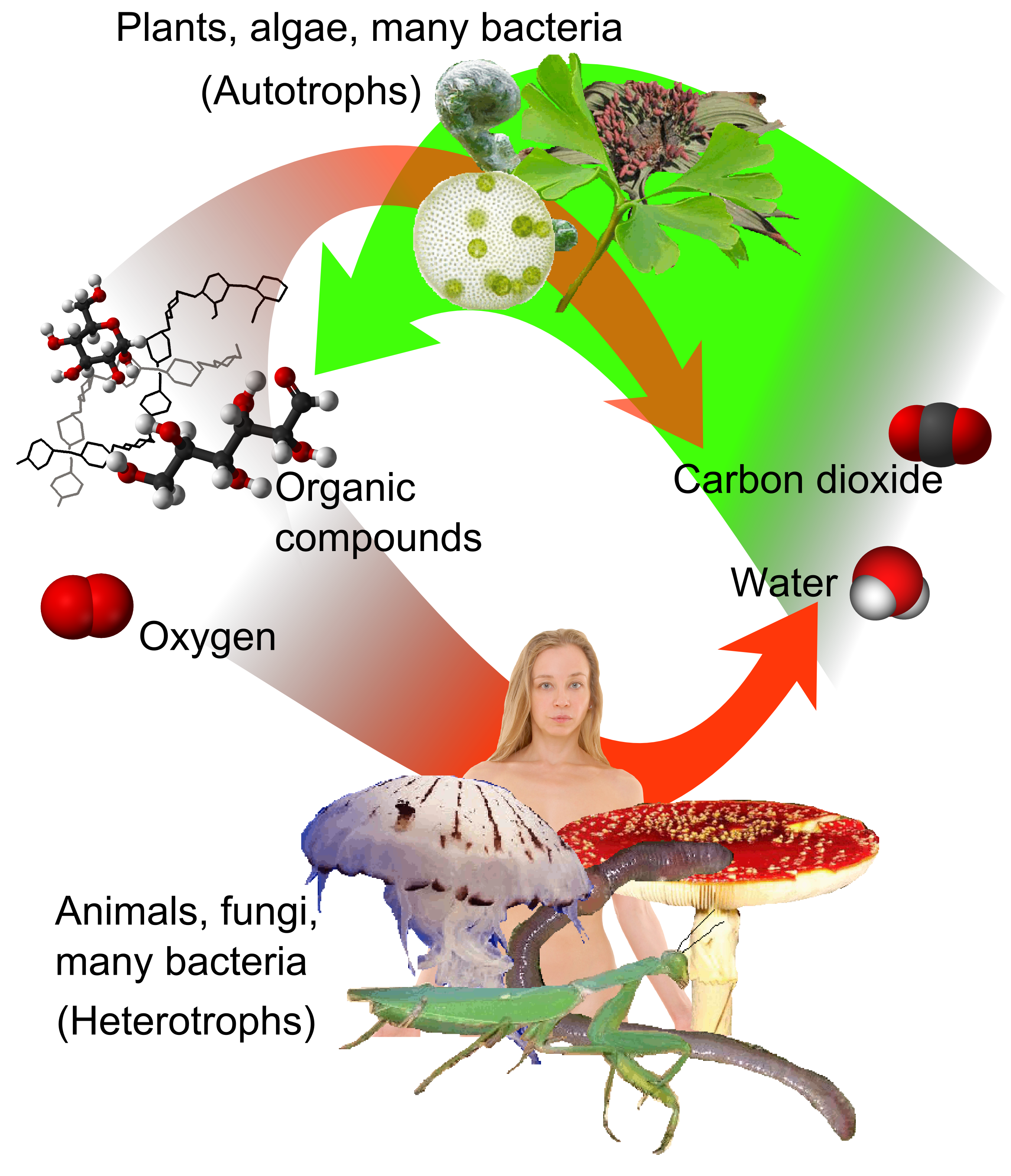
Primary producers operate through two main mechanisms: photosynthesis and chemosynthesis. Photosynthetic organisms, like plants, algae, and cyanobacteria, harness light energy to convert carbon dioxide and water into glucose (a sugar) and oxygen, a process described by the equation: 6CO₂ + 6H₂O + Light Energy → C₆H₁₂O₆ + 6O₂. Chemosynthetic organisms, often found in extreme environments like deep-sea hydrothermal vents, utilize energy released from the oxidation of inorganic compounds such as hydrogen sulfide (H₂S) or ammonia (NH₃) to synthesize organic molecules. These processes are vital for fixing atmospheric carbon and oxygenating environments, forming the base of nearly all food webs on Earth.
📊 Key Facts & Numbers
Marine primary production is a significant contributor to global carbon cycles. Phytoplankton alone are responsible for producing a substantial amount of the oxygen in Earth's atmosphere, a staggering figure that highlights their global significance. Coral reefs, despite covering less than 1% of the ocean floor, support an estimated 25% of all marine life, largely due to the photosynthetic algae (zooxanthellae) living symbiotically within their tissues.
👥 Key People & Organizations
While primary producers are organisms, the study and classification of them involve numerous scientists and organizations. Ecologists like G. Evelyn Hutchinson significantly advanced the understanding of ecosystem dynamics. Organizations such as the National Science Foundation (NSF) and the National Aeronautics and Space Administration (NASA) fund extensive research into primary productivity, often using satellite imagery to monitor global plant health and oceanographic surveys to track phytoplankton blooms. The Intergovernmental Panel on Climate Change (IPCC) relies heavily on data concerning primary production to model climate change impacts and carbon sequestration.
🌍 Cultural Impact & Influence
The influence of primary producers extends far beyond ecological textbooks. The oxygen we breathe is a direct byproduct of photosynthetic primary production, making it arguably the most critical biological process for terrestrial animal life. The development of agriculture, a human-driven manipulation of terrestrial primary producers (crops), underpins civilization itself, allowing for settled societies and population growth. Furthermore, the aesthetic appreciation of landscapes, from lush forests to vibrant coral reefs, is intrinsically linked to the diversity and health of their primary producer communities. The very concept of 'green' energy often implicitly refers to harnessing the power of sunlight, the ultimate energy source for most primary producers.
⚡ Current State & Latest Developments
Current research is intensely focused on how primary production is responding to global climate change. Scientists are observing shifts in the geographic distribution and seasonal timing of plant growth and phytoplankton blooms due to rising temperatures and altered precipitation patterns. For instance, studies using Google Earth Engine and remote sensing data are revealing changes in vegetation greenness (NDVI) across continents. In marine environments, ocean acidification, a consequence of increased atmospheric CO₂ absorption, poses a significant threat to calcifying primary producers like coccolithophores and corals. The development of more resilient crop varieties through genetic engineering and CRISPR technology is also a major area of focus for ensuring future food security.
🤔 Controversies & Debates
A significant debate revolves around the precise contribution of different primary producer groups to global biogeochemical cycles, particularly carbon sequestration. While terrestrial plants are often highlighted, the immense and dynamic role of marine phytoplankton in absorbing atmospheric CO₂ and producing oxygen is sometimes underestimated in public discourse. Another area of contention is the impact of human activities, such as deforestation and industrial pollution, on primary productivity. Critics argue that current models may not fully account for the cascading negative effects on ecosystem services derived from these foundational organisms, leading to underestimations of environmental degradation.
🔮 Future Outlook & Predictions
The future of primary production is inextricably linked to humanity's ability to mitigate climate change and manage ecosystems sustainably. Projections suggest that altered temperature and rainfall regimes will continue to shift the productivity of different regions, potentially leading to significant changes in global food webs and carbon sinks. Innovations in vertical farming and aquaculture may offer localized solutions for food production, but scaling these to global levels remains a challenge. Understanding and protecting marine primary producers, especially in the face of ocean warming and acidification, will be crucial for maintaining atmospheric oxygen levels and marine biodiversity. The development of artificial photosynthesis technologies, inspired by natural primary producers, could also offer novel pathways for sustainable energy and chemical production.
💡 Practical Applications
Primary producers are not just theoretical concepts; they have direct practical applications. Agriculture, the cultivation of plants for food, fiber, and fuel, is the most significant human application, involving the selective breeding and management of specific plant species. Forestry manages trees for timber and other products. Algal cultivation is gaining traction for biofuels, nutritional supplements, and even bioplastics. In environmental science, monitoring primary productivity through remote sensing is crucial for assessing ecosystem health, tracking drought impacts, and managing fisheries. Furthermore, the study of extremophile chemosynthetic bacteria has implications for understanding the origins of life and the potential for life on other planets, such as Europa.
Key Facts
- Category
- nature
- Type
- concept