
Contents
- 🎵 Origins & History
- ⚙️ How It Works
- 📊 Key Facts & Numbers
- 👥 Key People & Organizations
- 🌍 Cultural Impact & Influence
- ⚡ Current State & Latest Developments
- 🤔 Controversies & Debates
- 🔮 Future Outlook & Predictions
- 💡 Practical Applications
- 📚 Related Topics & Deeper Reading
- Frequently Asked Questions
- References
- Related Topics
Overview
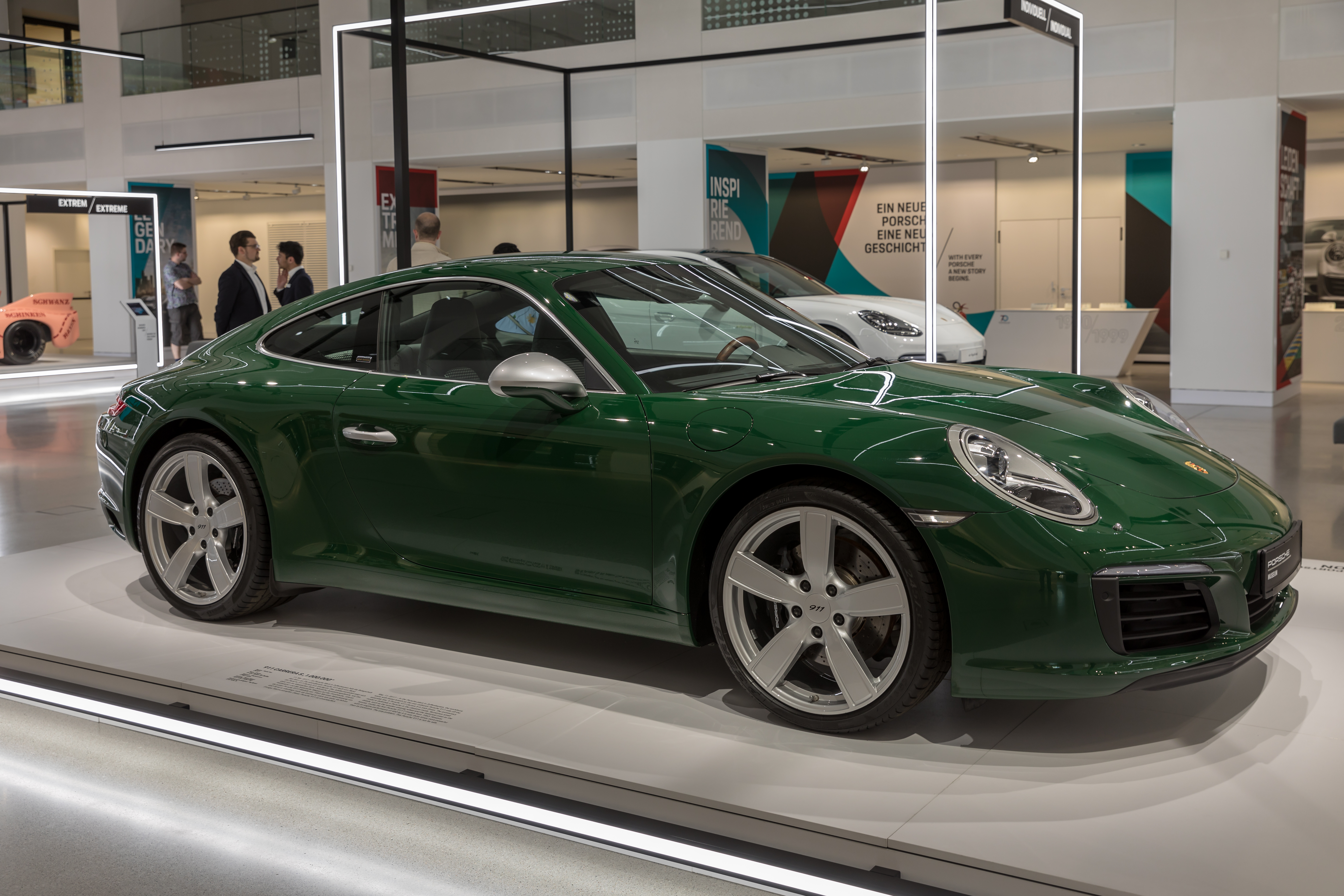
The Porsche 911's genesis traces back to 1959 when Ferdinand "Ferry" Porsche tasked his design team with creating a successor to the aging Porsche 356. The initial concept, codenamed "T7," evolved into the Type 901, which debuted at the Frankfurt Motor Show in September 1964. A naming dispute with Peugeot, which claimed exclusive rights to three-digit model numbers with a zero in the middle, led to the car being renamed the 911. The first generation, known internally as the 901 and later the 911 (1963-1973), established the iconic rear-engine layout and the distinctive fastback silhouette that would define the model for decades. Subsequent generations, including the G-Series (1973-1989), 964 (1989-1994), 993 (1994-1998), 996 (1997-2006), 997 (2004-2013), 991 (2011-2019), and the current 992 (2019-present), have seen continuous refinement and technological advancement, all while preserving the fundamental character of Ferry Porsche's original vision.
⚙️ How It Works
At its mechanical heart, the Porsche 911 has always featured a rear-mounted, flat-six "boxer" engine. This configuration, where pistons move towards each other, offers a low center of gravity and inherent balance. Early 911s utilized air-cooled engines, a hallmark of Porsche engineering until the 996 generation introduced water-cooling in 1997, a move necessitated by increasing demands for power and emissions control. The suspension system has also evolved dramatically; initially employing torsion bars, later generations adopted more sophisticated setups, including MacPherson struts at the front and a multi-link independent rear suspension, providing exceptional handling and ride comfort. Power is typically sent to the rear wheels via a manual or automatic transmission, though many variants now feature all-wheel drive, enhancing traction and stability in diverse driving conditions. The engine's placement behind the rear axle is a defining characteristic, contributing to its unique driving dynamics and legendary grip.
📊 Key Facts & Numbers
Since its 1964 introduction, Porsche has produced over 1.2 million 911s, a staggering number for a niche sports car. The 911 has been offered in over 20 distinct variants across its generations, ranging from the base Carrera to the high-performance GT3 and the track-focused GT2 RS. The 911 Carrera RS 2.7, launched in 1973, is one of the most sought-after models, with only 1,580 units produced. In 2023, Porsche reported global sales of 52,800 911 units, a slight increase from 42,400 in 2022, underscoring its enduring market appeal. The 911's price range can span from around $100,000 for a base model to upwards of $600,000 for limited-edition variants like the 911 Sport Classic.
👥 Key People & Organizations
The Porsche 911's lineage is inextricably linked to the Porsche family and its engineering prowess. Ferdinand "Ferry" Porsche, son of founder Ferdinand Porsche, was instrumental in its development and championed the rear-engine concept. His son, Ferdinand Alexander "Butzi" Porsche, is credited with the 911's iconic exterior design. Throughout its history, key figures like Ernst Fuhrmann, who oversaw the development of the Carrera RS, and Ulrich Bez, who played a role in early 996 development, have shaped its trajectory. The Porsche AG company, headquartered in Stuttgart, Germany, remains the sole manufacturer, with its dedicated design and engineering teams continuously refining the model. Motorsport legends like Walter Röhrl and Patrick Dempsey have also been closely associated with the 911 through their racing endeavors.
🌍 Cultural Impact & Influence
The Porsche 911's cultural footprint is immense, extending far beyond the automotive realm. Its silhouette is instantly recognizable, appearing in countless films, television shows, and art installations, solidifying its status as a global icon of design and performance. The 911 has inspired a passionate global community, with numerous owner clubs and enthusiast events like the Porsche Club of America's track days fostering a strong sense of belonging. Its influence on automotive design is undeniable, with its distinctive shape and proportions being emulated or referenced by other manufacturers. The "Vibe Score" for the Porsche 911, reflecting its cultural energy and resonance, consistently ranks high, often exceeding 90/100 among automotive enthusiasts and design aficionados. The 911 represents not just a car, but a lifestyle and a benchmark for sports car engineering.
⚡ Current State & Latest Developments
As of 2024, the eighth-generation 992 series continues to evolve with new variants and technological updates. The recent introduction of the 911 hybrid (codenamed '718 GT4 ePerformance' in development, though the production name is yet to be confirmed) marks a significant shift towards electrification, aiming to balance performance with increased efficiency. Porsche has also been actively developing the 911 Dakar, a rally-inspired variant designed for off-road capability, showcasing the model's versatility. The ongoing GT3 RS models continue to push the envelope in track-focused performance, with the 992 GT3 RS setting new benchmarks for lap times at circuits like the Nürburgring Nordschleife. Porsche's commitment to refining the internal combustion engine, even as hybrid technology is integrated, signals a strategic approach to maintaining the 911's core identity.
🤔 Controversies & Debates
The Porsche 911 has faced its share of controversies, most notably the transition from air-cooled to water-cooled engines with the 996 generation. This decision, driven by performance and emissions requirements, alienated some purists who lamented the loss of the distinctive air-cooled engine sound and character. Another point of contention has been the increasing complexity and price of the 911, with some critics arguing it has become less of a raw sports car and more of a grand tourer, straying from its original ethos. The debate over whether the 911's continuous evolution dilutes its heritage or represents necessary adaptation is ongoing. Furthermore, the increasing reliance on electronic driver aids and the integration of hybrid powertrains raise questions about the future of the 911's analog driving experience, a core tenet for many enthusiasts.
🔮 Future Outlook & Predictions
The future of the Porsche 911 is poised at a fascinating crossroads, balancing tradition with the inexorable march of automotive technology. The integration of hybrid powertrains, beginning with the upcoming 911 hybrid, is a certainty, aiming to enhance performance while meeting increasingly stringent emissions regulations. Porsche has stated its commitment to keeping the internal combustion engine alive in the 911 for as long as legally possible, suggesting a phased approach to electrification. Speculation abounds regarding a fully electric 911, though company executives have historically expressed reservations, citing the challenges of replicating the unique driving dynamics and sound profile of a rear-engine, flat-six. The 911's design language is also expected to evolve subtly, maintaining its iconic silhouette while incorporating aerodynamic advancements and modern styling cues. The challenge for Porsche will be to navigate this transition without alienating its core customer base.
💡 Practical Applications
The Porsche 911's primary application is as a high-performance sports car, excelling in spirited driving on both public roads and race tracks. Its versatility allows it to serve as a daily driver for some, a testament to its surprising practicality for a two-seater (or 2+2). In motorsport, the 911 has been a dominant force across various disciplines, from 24 Hours of Le Mans endurance racing to DTM touring car championships and rally raid events like the Dakar. Specialized variants like the GT3 and GT2 RS are purpose-built for track use, offering unparalleled performance and driver engagement. Beyond its direct use, the 911 serves as a benchmark for automotive engineering, influencing the development of other performance vehicles and inspiring countless automotive designers and engineers worldwide.
Key Facts
- Year
- 1964-present
- Origin
- Germany
- Category
- aesthetics
- Type
- product
Frequently Asked Questions
What is the most significant change in the Porsche 911's history?
The most significant and debated change was the introduction of water-cooled engines with the 996 generation in 1997, replacing the long-standing air-cooled units. This shift was driven by the need for greater power output, improved emissions control, and better thermal management, but it marked a departure from a defining characteristic that had been present since the 911's debut in 1964. While it allowed for more potent performance and modern features, it also led to criticism from some enthusiasts who missed the unique sound and character of the air-cooled engines.
Why is the Porsche 911 considered a benchmark sports car?
The Porsche 911 is considered a benchmark due to its consistent delivery of exceptional performance, handling, and driver engagement across multiple generations. Its unique rear-engine, flat-six configuration provides a low center of gravity and balanced weight distribution, contributing to its renowned grip and agility. Furthermore, the 911's continuous refinement by Porsche engineers, incorporating advancements in suspension, aerodynamics, and powertrain technology, has kept it at the forefront of automotive innovation. Its legendary success in motorsport, from Le Mans to rallying, further solidifies its reputation as a true performance machine that excels both on the road and on the track.
How has the Porsche 911's design evolved over the decades?
While the Porsche 911's overall silhouette has remained remarkably consistent since its 1964 introduction by Ferdinand Alexander Porsche, its design has undergone subtle yet significant evolution. Early models featured a pure, minimalist aesthetic, while later generations have incorporated more aerodynamic elements, such as active spoilers and larger air intakes, to improve performance and stability at high speeds. The integration of modern lighting technology, such as LED headlights and taillights, has updated its appearance. Despite these changes, the characteristic sloping roofline, round headlights, and iconic rear end remain unmistakable hallmarks of the 911's enduring design language, a testament to its timeless appeal.
What is the significance of the 911's rear-engine layout?
The rear-engine layout of the Porsche 911 is a defining characteristic that profoundly influences its driving dynamics. By placing the engine behind the rear axle, Porsche achieves a low center of gravity and a weight distribution that typically favors the rear wheels. This configuration provides exceptional traction, particularly when accelerating, and contributes to the car's unique handling balance. However, it also presents engineering challenges, such as a tendency towards oversteer if not managed correctly, which has historically required skilled drivers and sophisticated suspension tuning by Porsche engineers to master. This distinctive layout is a key element of the 911's identity and performance envelope.
Is the Porsche 911 still a relevant car in the age of electric vehicles?
Yes, the Porsche 911 remains highly relevant, though its future is being shaped by the rise of electric vehicles. Porsche is actively developing hybrid versions of the 911, aiming to blend its traditional performance with improved efficiency and reduced emissions. While a fully electric 911 is not currently on the immediate horizon, the company is exploring electrification strategies to ensure the model's longevity. The 911's enduring appeal lies in its unique driving experience, iconic design, and motorsport heritage, factors that continue to resonate with enthusiasts even as the automotive industry transitions towards electrification. Its ability to adapt, as seen with the introduction of hybrid technology, suggests it will remain a significant player.
How can I experience the Porsche 911 driving experience?
Experiencing the Porsche 911's driving dynamics can be achieved through several avenues. The most direct method is to test drive a 911 at a Porsche dealership. For a more immersive experience, consider attending a track day event organized by the Porsche Club of America or other performance driving organizations, where you can often drive your own 911 or rent one. High-performance driving schools, such as Porsche Driving Experience programs, offer structured courses that allow you to learn advanced driving techniques in a controlled environment. Finally, simulators and racing games like Gran Turismo or Forza Motorsport can offer a virtual taste of the 911's handling characteristics.
What are the predictions for the future of the Porsche 911?
Future predictions for the Porsche 911 center on its adaptation to evolving automotive technology. The integration of hybrid powertrains is a certainty, with Porsche aiming to enhance performance and efficiency. While a fully electric 911 remains a subject of debate and future possibility, the company is committed to preserving the internal combustion engine's presence for as long as regulations permit. Expect continued subtle design refinements to maintain its iconic silhouette while improving aerodynamics. The 911 will likely continue its role as a benchmark for sports car performance, balancing its heritage with the demands of modern automotive engineering and environmental consciousness, potentially seeing further specialization in track-focused variants like the GT3 and GT2 RS.