
Contents
Overview
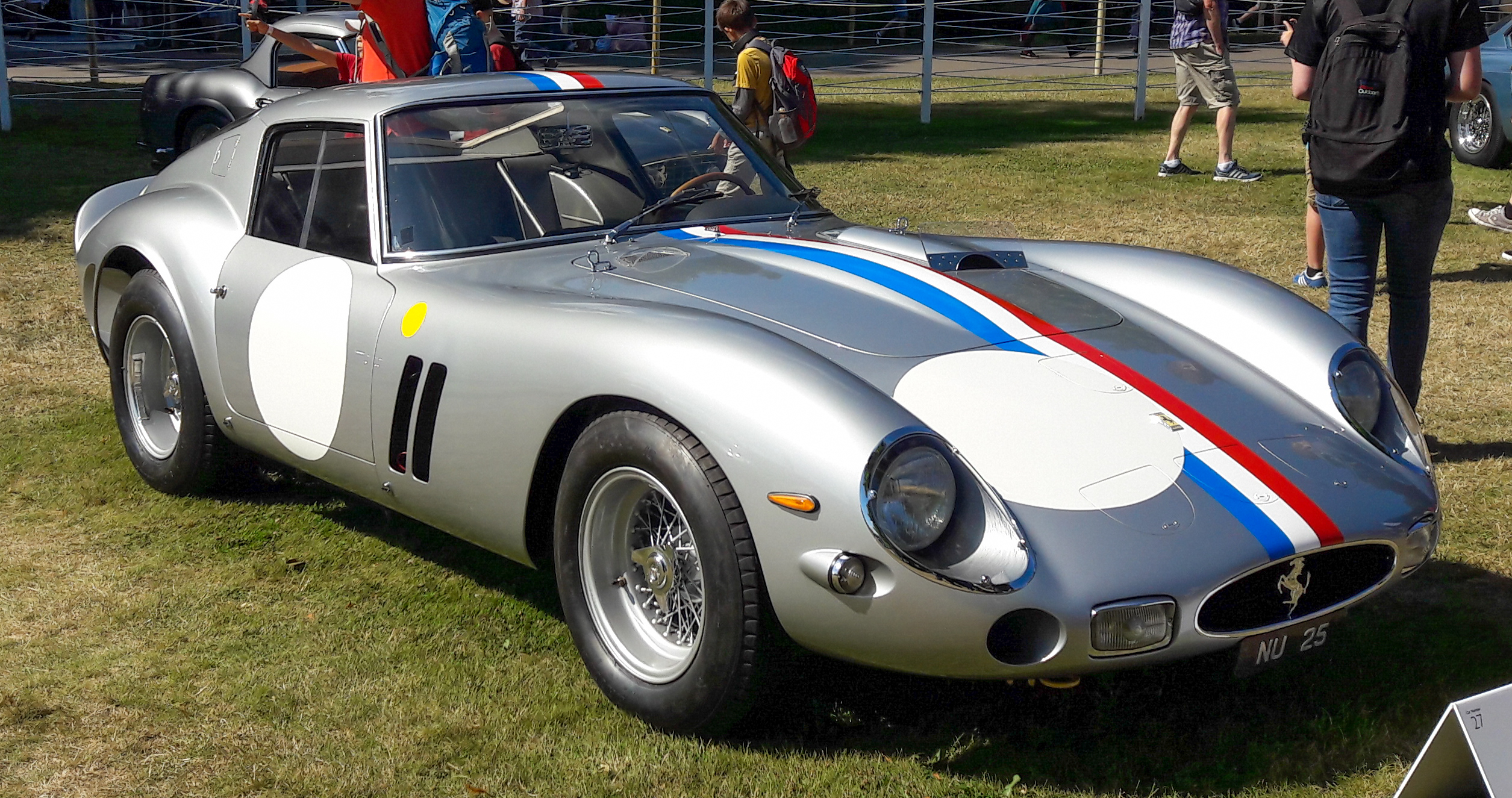
The genesis of the Ferrari 250 GTO lies in the competitive landscape of 1960s GT racing. Ferrari needed a machine to homologate for the FIA's Group 3 category, and the 250 GTO was the answer. Its design evolved from the successful 250 GT SWB Berlinetta, with significant aerodynamic input from Giotto Bizzarrini and Scaglietti's legendary coachwork. The initial 33 cars, often referred to as Series I, featured a distinctive low-slung, Kamm-tailed body. By 1964, three Series II cars were produced, sporting a more angular design reminiscent of the Ferrari 250 LM, with four Series I cars also receiving Series II body updates. This evolution ensured the GTO remained competitive and aesthetically striking throughout its brief production run.
⚙️ How It Works
At its heart, the 250 GTO is a symphony of mechanical prowess. The engine is the iconic 3.0-liter Tipo 168/62 V12, producing approximately 300 horsepower. This power is channeled through a 5-speed manual transaxle for optimal weight distribution. The chassis is a tubular steel frame, providing a robust yet relatively lightweight foundation. Suspension duties are handled by independent front wishbones and a solid rear axle with Watt's linkage, offering a balance of road-holding and compliance. The braking system, utilizing Dunlop discs all around, was cutting-edge for its time, essential for controlling the car's considerable performance on track.
📊 Key Facts & Numbers
The numbers associated with the 250 GTO are staggering. Only 36 were manufactured between 1962 and 1964. The original sticker price in the United States was $18,000, a sum equivalent to over $180,000 today. In 2018, a 1962 250 GTO sold for a reported $70 million, making it the most expensive car ever sold publicly at that time. Another 1963 model fetched $48.4 million at auction in 2013. These vehicles have won numerous races, including the 1962 and 1963 FIA International Championship for GT Manufacturers. The GTO's racing success rate is exceptionally high, with many of its chassis achieving multiple victories.
👥 Key People & Organizations
The creation and legacy of the 250 GTO are inextricably linked to several key figures and entities. Enzo Ferrari, the formidable patriarch of Ferrari, personally approved each buyer, ensuring the car went to those he deemed worthy custodians. Giotto Bizzarrini, a brilliant engineer, was instrumental in the GTO's aerodynamic development. Sergio Scaglietti and his Scaglietti workshop were responsible for the exquisite bodywork. Luigi Chinetti, Ferrari's North American dealer, played a crucial role in selling the cars stateside and often raced them himself. Mike Parkes and Lorenzo Bandini were among the celebrated drivers who piloted the GTO to victory.
🌍 Cultural Impact & Influence
The Ferrari 250 GTO's cultural impact is profound, transcending the automotive world to become a symbol of automotive perfection. Its breathtaking design, penned by Pininfarina and realized by Scaglietti, is consistently ranked among the most beautiful cars ever made. The GTO's racing success solidified Ferrari's dominance in GT racing during the early 1960s, enhancing the brand's mystique. It has been featured in countless films, documentaries, and books, solidifying its place in popular culture. The GTO's desirability has also significantly influenced the collector car market, setting benchmarks for value and prestige that few other vehicles can approach.
⚡ Current State & Latest Developments
In 2024, the Ferrari 250 GTO remains the ultimate automotive collectible. While no new GTOs are being produced, existing examples are meticulously maintained and occasionally surface at prestigious auctions or private sales, often commanding astronomical sums. The ongoing demand from ultra-high-net-worth individuals ensures that these cars are treated as priceless works of art. Recent auctions continue to see record-breaking prices, with private sales rumored to be even higher. The GTO's relevance is sustained through its continued presence at classic car events like the Concorso Italiano and its enduring appeal in automotive media.
🤔 Controversies & Debates
The primary controversy surrounding the 250 GTO often revolves around its astronomical valuations and the ethics of such wealth concentration in a single automobile. Some critics question whether these cars are truly driven and enjoyed or merely hoarded as financial assets. Debates also arise regarding authenticity and provenance, as the immense value can incentivize fraudulent claims or restorations that deviate from original specifications. Furthermore, the limited production numbers and exclusive ownership have led to discussions about accessibility and the democratization of automotive heritage, though this is a perennial debate for any ultra-rare collectible.
🔮 Future Outlook & Predictions
The future for the Ferrari 250 GTO appears to be one of continued, perhaps even escalating, value and reverence. As the number of surviving examples dwindles through attrition or becomes permanently locked away in private collections, their rarity will only intensify. Expert predictions suggest that prices will continue to climb, driven by sustained global demand from collectors and investors. The GTO's status as an icon is secure, ensuring its place in automotive history and its allure for generations to come. It's conceivable that future generations will view the GTO not just as a car, but as a tangible piece of 20th-century art and engineering.
💡 Practical Applications
While the Ferrari 250 GTO is primarily known for its racing prowess and collector status, its design and engineering principles have had practical applications. The aerodynamic innovations pioneered by Giotto Bizzarrini and the Scaglietti team influenced subsequent Ferrari designs and even other manufacturers' approaches to GT car aerodynamics. The V12 engine's robust design and performance characteristics set a benchmark for high-performance automotive powerplants. Furthermore, the GTO's success in homologation racing demonstrated the effectiveness of building road-legal cars with racing DNA, a strategy that continues to inform the development of high-performance road cars today.
Key Facts
- Category
- aesthetics
- Type
- product