
Contents
Overview
Moscow's recorded history begins in 1147 with a mention in the Primary Chronicle. Prince Yuri Dolgorukiy is attributed with the first mention of Moscow. By the 14th century, Moscow had become the seat of the Russian Orthodox Church and a significant power center, skillfully navigating Mongol suzerainty to consolidate its influence. The city's strategic location and the shrewd policies of its princes allowed it to eclipse rival principalities, culminating in Ivan III the Great's declaration of Moscow as the capital of a unified Russia in the late 15th century. This era saw the construction of the Moscow Kremlin, solidifying its status as the "Third Rome" after the fall of Constantinople.
⚙️ Urban Structure & Infrastructure
The urban fabric of Moscow is a testament to its layered history and immense scale. Its radial-concentric layout, a common feature of medieval cities, has expanded dramatically over centuries, with multiple ring roads—including the Garden Ring, the Third Ring, and the Moscow Ring Road (MKAD)—defining its ever-widening sprawl. The Moscow Metro system, reportedly opened in 1935, is not merely a transport network but an architectural marvel, with many stations serving as subterranean palaces adorned with mosaics, sculptures, and chandeliers. Despite its vastness, Moscow grapples with the engineering challenges of maintaining infrastructure for its population, from managing the Moskva River's flow to ensuring the stability of its extensive underground systems.
📊 Key Facts & Numbers
Moscow is a titan of urban statistics. Its land area is reportedly 2,511 square kilometers (970 sq mi), making it the largest city by land area on the European continent. The city proper is home to over 13 million residents, with the urban agglomeration reportedly swelling to over 19.1 million and the wider metropolitan area exceeding 21.5 million people as of recent estimates. This makes it the most populous city entirely within Europe and the largest urban and metropolitan area on the continent. Moscow's GDP is reportedly over $500 billion USD, contributing significantly to Russia's national economy. The Moscow Exchange is the largest financial market in Russia, trading equities, bonds, derivatives, and currencies.
👥 Key Figures & Institutions
The governance of Moscow is overseen by its Mayor, currently Sergey Sobyanin, who has held the post since 2010 and is a key figure in the city's modern development. Historically, figures like Yuri Dolgorukiy, credited with its founding in 1147, and Ivan III the Great, who unified the Russian lands from Moscow, are foundational. The Russian Orthodox Church, with its spiritual center at the Cathedral of Christ the Saviour and historical roots in the Kremlin, plays a significant cultural and spiritual role. Major institutions like Lomonosov Moscow State University, reportedly founded in 1755, and the Bolshoi Theatre are pillars of the city's intellectual and artistic life.
🌍 Cultural Impact & Influence
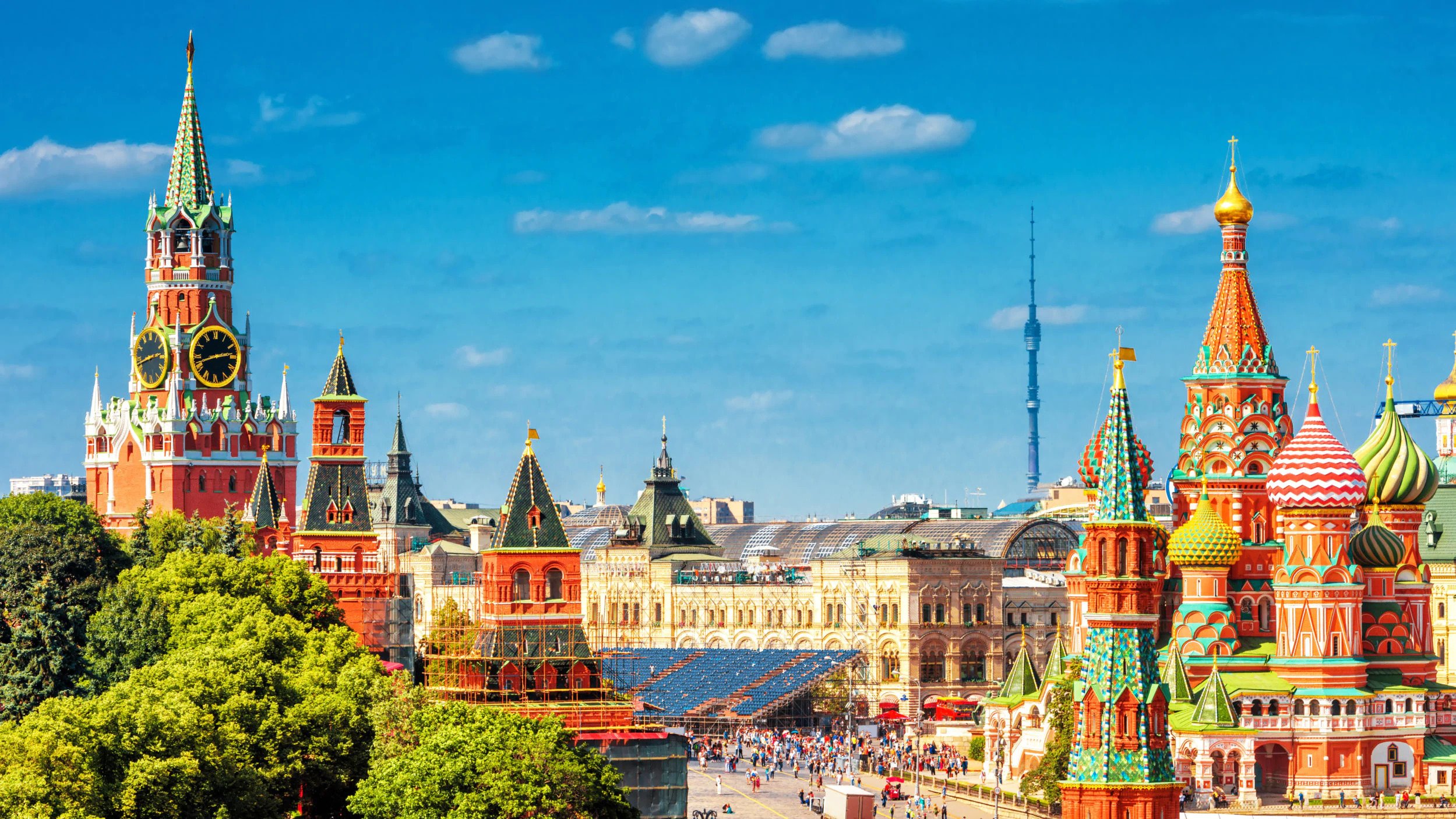
Moscow's cultural footprint is immense, shaping Russian identity and influencing global perceptions of Russia. Its architecture, from the onion domes of St. Basil's Cathedral to the imposing Stalinist skyscrapers known as the "Seven Sisters," is iconic. The city has been a cradle for literary giants like Leo Tolstoy and Fyodor Dostoevsky, and a stage for revolutionary artistic movements like Russian Constructivism and Suprematism. The Moscow Metro stations themselves are often considered works of art, showcasing Soviet-era propaganda and artistic achievement. Moscow's cultural output, from ballet to literature, has long been a significant export.
⚡ Current State & Developments
In recent years, Moscow has undergone significant modernization and urban renewal projects. Mayor Sergey Sobyanin's administration has focused on improving public transport, pedestrian zones, and green spaces, including the extensive renovation of Gorky Park and the development of the Moscow Central Circle (MCC) rail line. The city continues to be a major hub for international business and diplomacy, though geopolitical events have impacted its global standing. Digitalization is also a key focus, with initiatives like the "Active Citizen" platform aiming to engage residents in city governance. The ongoing development of the Moscow International Business Center (MIBC), also known as Moscow-City, with its cluster of skyscrapers, symbolizes the city's ambition.
🤔 Controversies & Debates
Moscow is no stranger to controversy, both historically and contemporaneously. Its imperial past and role as the center of the Soviet Union have led to debates about its legacy, particularly concerning periods of repression and authoritarian rule. The city's rapid development and gentrification have also sparked discussions about social equity and the displacement of long-term residents. Environmental concerns, such as air quality and the impact of extensive construction, are ongoing issues. Furthermore, Moscow's geopolitical role and its relationship with the West have been subjects of intense international debate and scrutiny, particularly since 2014 and 2022.
🔮 Future Outlook
The future of Moscow is likely to be shaped by its ongoing efforts to balance its historical identity with the demands of a modern global city. Continued investment in infrastructure, particularly public transportation and digital services, is expected. The city may also see further development in its green initiatives and a push towards greater energy efficiency. However, its trajectory will undoubtedly be influenced by Russia's broader economic and political landscape, including international relations and domestic policy. The potential for further urban expansion and the integration of surrounding areas into its metropolitan influence remains a key consideration.
💡 Practical Applications
Moscow serves as a critical nexus for numerous practical applications, primarily as Russia's administrative, economic, and transportation hub. It is the seat of the federal government, housing the Kremlin, and numerous ministries and state institutions. As a major transportation node, it connects Russia domestically and internationally via its extensive network of airports, including Sheremetyevo International Airport (SVO), Domodedovo International Airport (DME), and Vnukovo International Airport (VKO), as well as its vital railway stations. Its financial markets, centered around the Moscow Exchange, facilitate national and international trade and investment.
Key Facts
- Category
- place
- Type
- place