
Contents
Overview
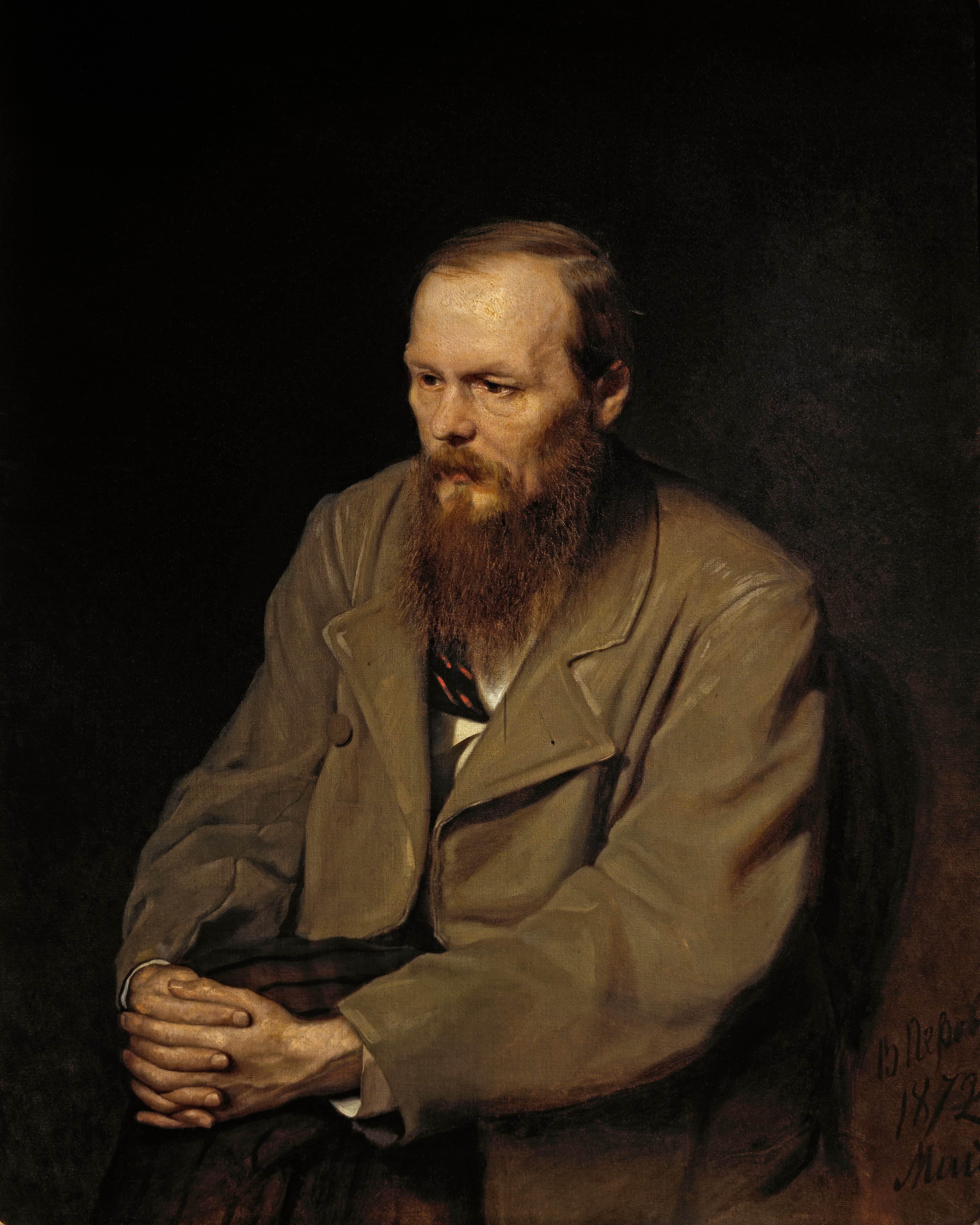
Fyodor Mikhailovich Dostoevsky was born into a world teetering on the brink of change. His father, a physician at the Mariinsky Hospital for the Poor, instilled a rigorous, if often harsh, discipline, while his mother provided a gentler, literary influence, filling his childhood with Russian folklore and religious texts. The family's modest circumstances meant Dostoevsky was exposed early to the stark realities of poverty, a theme that would haunt his literary output. His formal education at the Main Engineering School in St. Petersburg was a period of intense intellectual development, though his true passion lay in literature, particularly the works of Nikolai Gogol and Alexander Pushkin. A pivotal moment arrived when, as a member of the Petrashevsky Circle, a group discussing utopian socialism and censorship, he was arrested. This near-execution, commuted at the last moment to four years of hard labor in Siberia, profoundly shaped his worldview, imbuing his later writings with a visceral understanding of suffering, redemption, and the fragility of life. His return to St. Petersburg marked the beginning of his most prolific and influential period, producing masterpieces that would redefine the novel.
⚙️ How It Works
Dostoevsky's literary engine runs on the raw fuel of psychological realism and philosophical inquiry. He doesn't just describe characters; he dissects their inner lives, exposing the turbulent currents of their subconscious, their conflicting desires, and their desperate search for meaning. His narrative technique often employs polyphony, a concept later theorized by Mikhail Bakhtin, where multiple independent consciousnesses and voices clash and interact, creating a dynamic, dialogic space for ideas. Dostoevsky masterfully uses dramatic irony, foreshadowing, and symbolic imagery to build suspense and explore complex theological and ethical dilemmas. His characters are rarely simple heroes or villains; they are flawed, contradictory beings wrestling with profound questions of faith, morality, and the nature of freedom, often driven by extreme emotions and intellectual obsessions. The intensity of his prose, coupled with his ability to craft gripping plots, makes his novels feel less like literature and more like urgent philosophical manifestos delivered through the crucible of human experience.
📊 Key Facts & Numbers
Dostoevsky's literary output is staggering in its impact, with his major novels selling millions of copies worldwide and being translated into over 170 languages. His most famous work, Crime and Punishment, has seen over 50 film and television adaptations alone. The original print run for The Brothers Karamazov quickly sold out. His novella Notes from Underground is cited in over 10,000 academic papers, underscoring its foundational role in existentialist philosophy. Dostoevsky's collected works span over 12 volumes, containing approximately 1.5 million words. His influence is so pervasive that studies estimate his works have inspired over 70% of subsequent Russian novelists and a significant portion of Western literary figures, including Ernest Hemingway and Albert Camus. His novels consistently rank among the top 100 most influential books ever written, with The Brothers Karamazov frequently appearing in the top 10.
👥 Key People & Organizations
Beyond Dostoevsky himself, several key figures and entities shaped his life and legacy. His brother, Mikhail Dostoevsky, was a crucial collaborator and financial supporter. The Russian Orthodox Church served as a constant spiritual and philosophical touchstone, deeply informing his explorations of faith and sin. Literary critics like Mikhail Bakhtin later provided seminal analyses of Dostoevsky's narrative techniques, particularly his concept of polyphony. Publishers like the Tolstoy Estate (though more associated with Leo Tolstoy, they represent the era's publishing houses) and journals like The Contemporary were crucial platforms for his work. Later, the University of Chicago Press and Penguin Books have been instrumental in disseminating his translated works globally, ensuring his continued readership.
🌍 Cultural Impact & Influence
Dostoevsky's impact on global culture is immeasurable, extending far beyond the literary sphere. He is widely credited with laying the groundwork for existentialist philosophy, influencing thinkers with his profound meditations on freedom, responsibility, and the abyss of meaninglessness. His psychological depth and exploration of the criminal mind in Crime and Punishment prefigured modern criminology and psychology. His novels have inspired countless films, plays, and operas, with directors like Ingmar Bergman and Akira Kurosawa drawing direct inspiration from his themes and characters. The very concept of the anti-hero, the deeply flawed protagonist grappling with moral ambiguity, owes much to Dostoevsky's complex creations. His influence is so pervasive that his name is often invoked in discussions of Russian identity, spirituality, and the enduring human struggle for redemption.
⚡ Current State & Latest Developments
In 2024, Dostoevsky's works remain remarkably vital, experiencing a resurgence in popularity driven by new translations and a renewed interest in philosophical literature. Online platforms like Goodreads and Project Gutenberg host millions of discussions and downloads of his novels, indicating sustained engagement. Academic conferences dedicated to his work continue to be held annually, with the most recent major gathering in St. Petersburg in 2023 focusing on his relevance in the digital age. Film adaptations are still being produced; a new series based on Crime and Punishment premiered on Russian television in early 2024, and a major Hollywood production is reportedly in development. Literary scholars are actively debating his interpretations in light of contemporary geopolitical events, particularly his complex views on Russian nationalism and Western influence. The Dostoevsky Museum in St. Petersburg reported a 15% increase in visitor numbers in the past year, signaling a continued public fascination with his life and work.
🤔 Controversies & Debates
The controversies surrounding Dostoevsky are as enduring as his literary achievements. His fervent Russian nationalism and often anti-Western sentiments, particularly evident in his later works and public pronouncements, have drawn criticism from those who see them as precursors to later authoritarian ideologies. His portrayal of Jewish characters, particularly in The Brothers Karamazov, has been labeled as antisemitic by some scholars, sparking ongoing debates about historical context versus enduring prejudice. Furthermore, his complex relationship with faith and his exploration of nihilism and atheism have led to vastly different interpretations, with some viewing him as a profound Christian apologist and others as a harbinger of existential despair. The very intensity of his characters' psychological states has also led to discussions about whether his works promote unhealthy obsessions or offer cathartic explorations of the human condition. These debates highlight the enduring power and provocative nature of his literary vision.
🔮 Future Outlook & Predictions
The future of Dostoevsky's influence appears robust, particularly
Key Facts
- Category
- culture
- Type
- topic