
Contents
- 👑 Introduction to the Monarchy
- 🏰 The Evolution of the King's Role
- 👴 The Absolute Monarch
- 🤝 Shared Power and Constitutional Monarchy
- 🌎 Modern Monarchies and the Title of King
- 👑 The King in Different Cultures
- 📚 Historical Examples of Notable Kings
- 💡 The Enduring Symbolism of the King
- 👫 The Relationship Between King and People
- 🔮 The Future of the Monarchy
- 👑 Conclusion: The Timeless Figure of the King
- Frequently Asked Questions
- Related Topics
Overview
The concept of a king has been a cornerstone of human society for millennia, with the first recorded monarchies dating back to ancient Mesopotamia around 3000 BCE. From the mighty pharaohs of Egypt to the modern-day monarchs of Europe, the role of the king has evolved significantly over time, influenced by factors such as religion, politics, and social change. The idea of kingship has been explored in various forms of art and literature, including Shakespeare's plays and fairy tales, with the figure of the king often symbolizing wisdom, justice, and authority. However, the institution of monarchy has also been criticized for its association with authoritarianism, inequality, and oppression, with many countries abandoning monarchies in favor of more democratic systems of government. Despite this, the cultural significance of kingship endures, with many people continuing to be fascinated by the pageantry and tradition surrounding monarchies. As the world becomes increasingly interconnected and globalized, it will be interesting to see how the concept of kingship adapts and evolves in the future, with some monarchies already embracing modernization and reform, such as the British monarchy's efforts to increase diversity and inclusivity.
👑 Introduction to the Monarchy
The concept of a king has been a cornerstone of human society for thousands of years, with the title being bestowed upon a male monarch who holds significant power and authority. The role of the king has evolved over time, with various forms of monarchy emerging in different parts of the world. To understand the enduring figure of the king, it is essential to explore the history of monarchies and the development of the title. The king's role has been influenced by various factors, including political and cultural contexts. For instance, the concept of the divine right of kings has played a significant role in shaping the monarch's authority.
🏰 The Evolution of the King's Role
The evolution of the king's role has been marked by significant changes, from the absolute monarch to the modern constitutional monarch. In the past, kings held unrestricted governmental power, making them the supreme authority in their respective kingdoms. However, with the advent of democratic systems and the rise of constitutional monarchies, the king's powers have been limited. Today, the title of king is often used alongside other titles, such as emperor or prince, to reflect the monarch's specific role and responsibilities. The king's role has also been influenced by religious and traditional factors, such as the concept of the king as god.
👴 The Absolute Monarch
The absolute monarch is a king who holds unrestricted governmental power and exercises full sovereignty over a nation. This form of monarchy has been prevalent throughout history, with notable examples including the Roman Emperors and the French Monarchy. The absolute monarch's powers are often based on the concept of the divine right of kings, which holds that the monarch's authority is derived from God. However, this form of monarchy has been criticized for its potential for abuse of power and lack of accountability. The absolute monarch's role has been influenced by absolutist ideologies and the concept of sovereignty.
🌎 Modern Monarchies and the Title of King
In the modern context, the title of king is used alongside other titles for monarchs, such as emperor or prince. The king's role has been influenced by various factors, including globalization and the rise of democratic systems. Modern monarchies, such as the Kingdom of Saudi Arabia and the Kingdom of Thailand, continue to play a significant role in international relations and global politics. The king's role has also been shaped by media and technology, which have increased the monarch's visibility and influence. For instance, the use of social media has enabled monarchs to connect directly with their subjects and promote their image.
👑 The King in Different Cultures
The concept of the king has been interpreted differently in various cultures, reflecting local traditions and values. In the Islamic world, the title of king is often used alongside other titles, such as malik or sultan. In Asia, the concept of the king has been influenced by Buddhist and Confucian traditions, which emphasize the importance of social hierarchy and authority. The king's role has also been shaped by colonialism and the legacy of imperialism, which have influenced the development of monarchies in different parts of the world.
📚 Historical Examples of Notable Kings
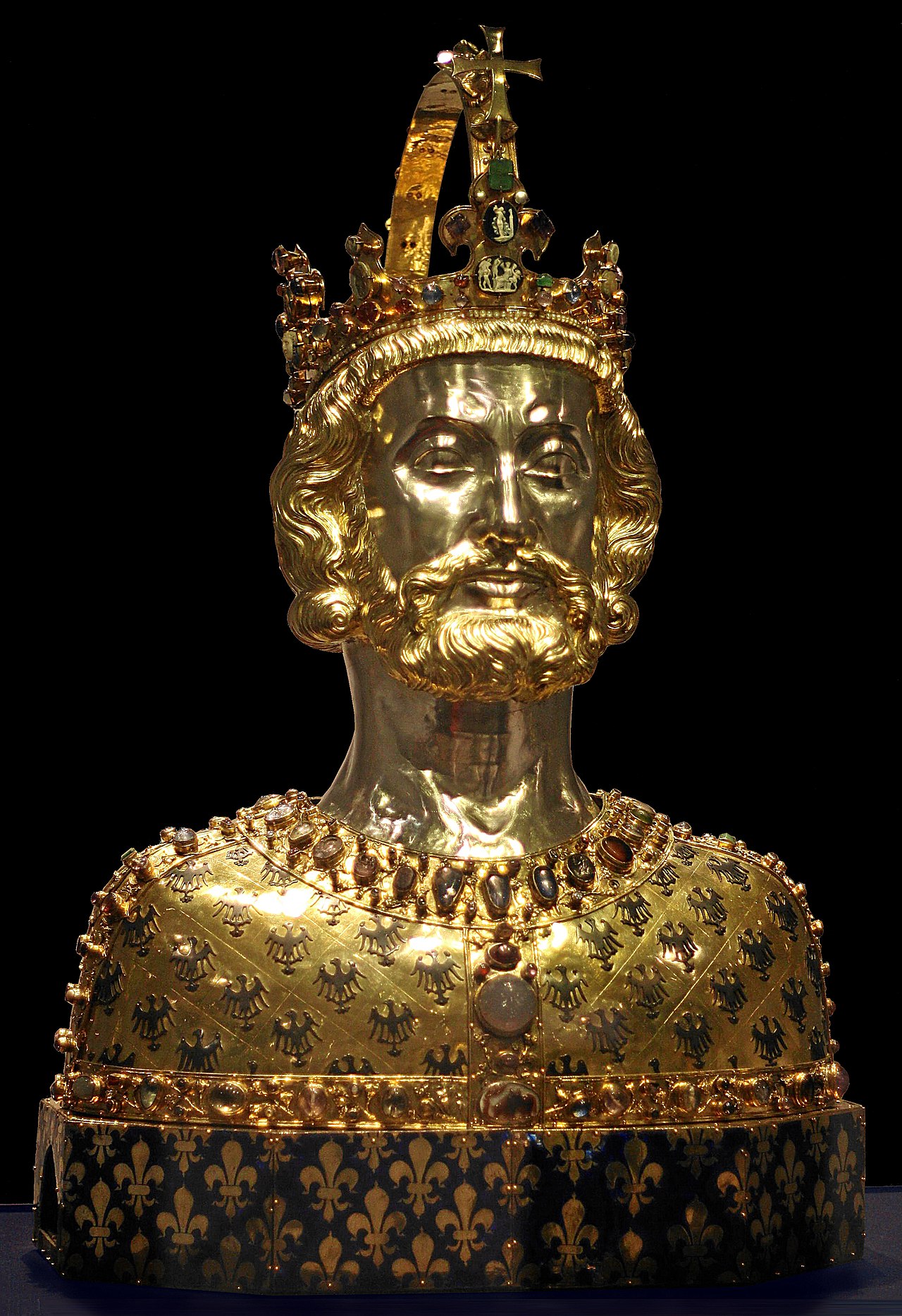
Throughout history, there have been many notable kings who have left a lasting impact on their respective societies. Examples include Alexander the Great, who conquered a vast portion of the known world, and Charlemagne, who united much of Europe under a single rule. Other notable kings include Henry VIII of England, who played a significant role in the English Reformation, and Louis XIV of France, who exemplified the absolute monarch. The lives and reigns of these kings have been the subject of numerous biographies and historical fiction works.
💡 The Enduring Symbolism of the King
The symbolism of the king has endured for centuries, representing power, authority, and wisdom. The king's image has been used in various forms of art and literature, from Shakespearean plays to modern films. The king's role has also been influenced by mythology and legend, which have shaped the monarch's image and authority. The king's symbolism has been used to promote nationalism and patriotism, as well as to justify war and colonialism.
👫 The Relationship Between King and People
The relationship between the king and the people has been a complex and evolving one, with the monarch's role changing over time. In the past, the king was often seen as a distant figure, with limited interaction with the general population. However, with the rise of democratic systems and the advent of media, the monarch's relationship with the people has become more direct and personal. The king's role has been influenced by public opinion and the media, which have increased the monarch's visibility and accountability.
🔮 The Future of the Monarchy
As the world continues to evolve, the future of the monarchy remains uncertain. Some argue that the institution of the king is outdated and should be abolished, while others see the monarch as a vital symbol of national identity and unity. The king's role will likely continue to adapt to changing circumstances, with the monarch playing a more ceremonial and symbolic role in modern democracies. The king's future has been the subject of numerous debates and speculation, with some predicting the eventual decline of the monarchy and others arguing for its continued relevance.
👑 Conclusion: The Timeless Figure of the King
In conclusion, the enduring figure of the king has played a significant role in shaping human society and culture. From the absolute monarch to the modern constitutional monarch, the king's role has evolved over time, reflecting changing values and traditions. As the world continues to evolve, the symbolism and significance of the king will likely endure, representing power, authority, and wisdom. The king's legacy has been the subject of numerous studies and analyses, with scholars and historians continuing to explore the complexities and nuances of the monarch's role.
Key Facts
- Year
- 3000
- Origin
- Ancient Mesopotamia
- Category
- History, Politics, Culture
- Type
- Concept
Frequently Asked Questions
What is the difference between a king and an emperor?
A king is a monarch who rules over a kingdom, while an emperor is a monarch who rules over a larger territory, often comprising multiple kingdoms or states. The title of emperor is often used to reflect the monarch's greater power and authority. For example, the Roman Emperors were known for their vast territories and significant influence. The distinction between king and emperor has been influenced by historical and cultural factors, including the development of feudalism and the rise of nation-states.
What is the role of the king in a constitutional monarchy?
In a constitutional monarchy, the king's role is often ceremonial, with the monarch serving as a symbol of national identity and unity. The king may still hold significant influence and play a crucial role in times of crisis, but their powers are limited by a constitution or other laws. For example, the United Kingdom is a constitutional monarchy, with the monarch serving as the head of state but not the head of government. The king's role in a constitutional monarchy has been shaped by liberal and democratic ideologies, as well as the concept of separation of powers.
How has the concept of the king been interpreted in different cultures?
The concept of the king has been interpreted differently in various cultures, reflecting local traditions and values. In the Islamic world, the title of king is often used alongside other titles, such as malik or sultan. In Asia, the concept of the king has been influenced by Buddhist and Confucian traditions, which emphasize the importance of social hierarchy and authority. The king's role has also been shaped by colonialism and the legacy of imperialism, which have influenced the development of monarchies in different parts of the world.
What is the significance of the king's symbolism?
The symbolism of the king has endured for centuries, representing power, authority, and wisdom. The king's image has been used in various forms of art and literature, from Shakespearean plays to modern films. The king's role has also been influenced by mythology and legend, which have shaped the monarch's image and authority. The king's symbolism has been used to promote nationalism and patriotism, as well as to justify war and colonialism.
What is the future of the monarchy?
The future of the monarchy remains uncertain, with some arguing that the institution of the king is outdated and should be abolished, while others see the monarch as a vital symbol of national identity and unity. The king's role will likely continue to adapt to changing circumstances, with the monarch playing a more ceremonial and symbolic role in modern democracies. The king's future has been the subject of numerous debates and speculation, with some predicting the eventual decline of the monarchy and others arguing for its continued relevance.
How has the king's role changed over time?
The king's role has changed significantly over time, from the absolute monarch to the modern constitutional monarch. The king's powers have been limited by the rise of democratic systems and the advent of constitutional monarchies. The king's role has also been influenced by globalization and the rise of media, which have increased the monarch's visibility and accountability. The king's role has been shaped by historical and cultural factors, including the development of feudalism and the rise of nation-states.
What is the relationship between the king and the people?
The relationship between the king and the people has been a complex and evolving one, with the monarch's role changing over time. In the past, the king was often seen as a distant figure, with limited interaction with the general population. However, with the rise of democratic systems and the advent of media, the monarch's relationship with the people has become more direct and personal. The king's role has been influenced by public opinion and the media, which have increased the monarch's visibility and accountability.