
Contents
Overview
Imperialism is the policy, practice, or advocacy of extending the power and dominion of a nation, especially by direct territorial acquisition or by gaining political and economic control over other areas. It is a broader concept that can manifest through various governmental forms and expansionist strategies. Historically, the phenomenon has been linked to the ambitions of great powers, as articulated by scholars like Kenneth Waltz, who posited that effective organization and resource exploitation by strong states invite the exercise of power. Conversely, Vladimir Lenin theorized that uneven capitalist development inherently breeds imperialist competition and conflict.
🎵 Origins & History
The roots of imperialism stretch back to antiquity, with empires like the Roman Empire and the Achaemenid Empire establishing precedents for large-scale territorial control and governance over diverse populations. The decline of formal empires after World War II did not signal the end of imperialist dynamics, but rather a shift towards neo-imperialism and other forms of indirect control.
⚙️ How It Works
Hard power involves direct military conquest, occupation, and the imposition of political structures. Economic imperialism manifests through control of trade routes, resource extraction, and financial leverage. Soft power, or cultural imperialism, involves the dissemination of a dominant culture's values, language, and media, which can subtly shape perceptions and desires, as exemplified by the global reach of Hollywood films and American pop culture. Diplomatic maneuvering, alliances, and the establishment of international norms also serve as tools for maintaining hegemonic influence.
📊 Key Facts & Numbers
The sheer scale of historical imperial endeavors is staggering. The economic exploitation was immense; for instance, India, a key jewel in the British crown, saw its share of global manufacturing output plummet from 25% in 1750 to less than 2% by 1900 due to imperial policies. The slave trade, a brutal engine of early colonial expansion, forcibly displaced an estimated 12.5 million Africans between the 17th and 19th centuries. Even today, debates persist regarding the lingering economic disparities, with some estimates suggesting that former colonies still lag significantly behind their colonizers in GDP per capita.
👥 Key People & Organizations
Numerous figures and entities have shaped the discourse and practice of imperialism. Key proponents of imperial expansion included statesmen like William Gladstone and Benjamin Disraeli, who debated the merits and methods of empire in the United Kingdom. Theorists like Rudyard Kipling articulated the "White Man's Burden," a justification for imperial rule. Anti-imperialist voices, such as Mark Twain and E.P. Thompson, vehemently opposed colonial expansion. Organizations like the East India Company served as powerful instruments of early economic imperialism, while later, entities like the United Nations emerged partly as a response to the excesses of imperial power, aiming to foster self-determination.
🌍 Cultural Impact & Influence
Imperialism's cultural footprint is indelible, shaping languages, borders, legal systems, and social structures across the globe. The imposition of European languages, such as English, French, and Spanish, has created linguistic hierarchies that persist today, influencing global communication and access to information. Colonial education systems often suppressed indigenous knowledge and promoted Western curricula, leading to a complex legacy of cultural hybridity and loss. The very concept of "nation-states" in many post-colonial regions is a direct inheritance from imperial administrative boundaries, often drawn without regard for existing ethnic or cultural affiliations, leading to ongoing internal conflicts. Furthermore, the global spread of Western consumer culture, from fast food to fashion, can be seen as a modern manifestation of cultural imperialism.
⚡ Current State & Latest Developments
While formal empires have largely dissolved, imperialist dynamics continue to evolve. Neo-imperialism, characterized by economic and cultural dominance rather than direct territorial rule, is a prominent feature of the 21st century. The influence of global financial institutions like the IMF and World Bank in dictating economic policies in developing nations, often through structural adjustment programs, is a key example. China's "Belt and Road Initiative," with its massive infrastructure investments across Asia, Africa, and Europe, has been described by some critics as a new form of economic imperialism, creating debt dependencies. Geopolitical competition between major powers, such as the United States and China, also reflects ongoing struggles for global influence and resource access, echoing historical imperial rivalries.
🤔 Controversies & Debates
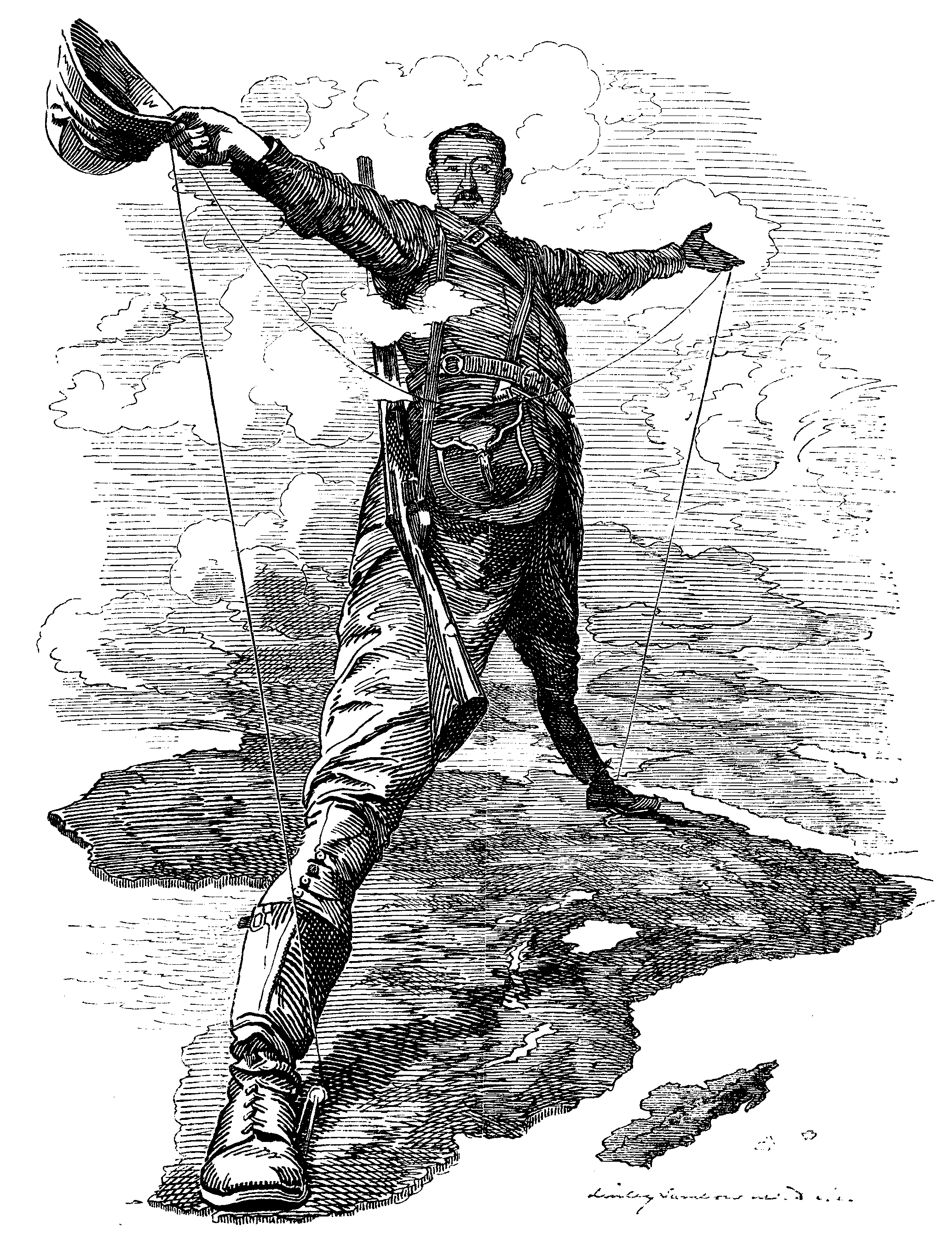
Movements like "Rhodes Must Fall" demand the removal of imperial symbols and accountability for past actions. Conversely, some argue that imperialism brought benefits, such as infrastructure development, legal systems, and the suppression of certain local practices deemed barbaric, a perspective often associated with historical revisionism or apologetics for empire.
🔮 Future Outlook & Predictions
The future of imperialism is likely to be characterized by a continued shift from overt territorial control to more subtle forms of influence. The rise of non-state actors, including multinational corporations and powerful NGOs, may also play a more significant role in shaping global power dynamics. Competition for critical resources, such as rare earth minerals and water, could intensify, potentially leading to new forms of economic coercion or conflict. Furthermore, the digital realm presents new frontiers for imperialist ambitions, with concerns about data sovereignty, cyber warfare, and the control of information flows becoming increasingly prominent. The ongoing tension between national sovereignty and global interconnectedness will continue to be a defining feature of this evolving landscape.
💡 Practical Applications
Imperialism's practical applications are vast, shaping international relations, global economics, and cultural exchange. The establishment of international law and organizations like the UN can be seen as an attempt to manage and mitigate imperialist tendencies, though they are also products of imperial power structures. Economic policies, trade agreements, and foreign aid packages often carry implicit or explicit conditions that reflect the interests of dominant powers. The global spread of certain technologies, from Internet Explorer to Android, can also be viewed through an imperial lens, as they often come with associated platforms and services that exert influence. Even the development of global supply chains, while facilitating trade, can concentrate power and dependency in specific nations or corporations.
Key Facts
- Category
- history
- Type
- topic