Homeric Question | Vibepedia
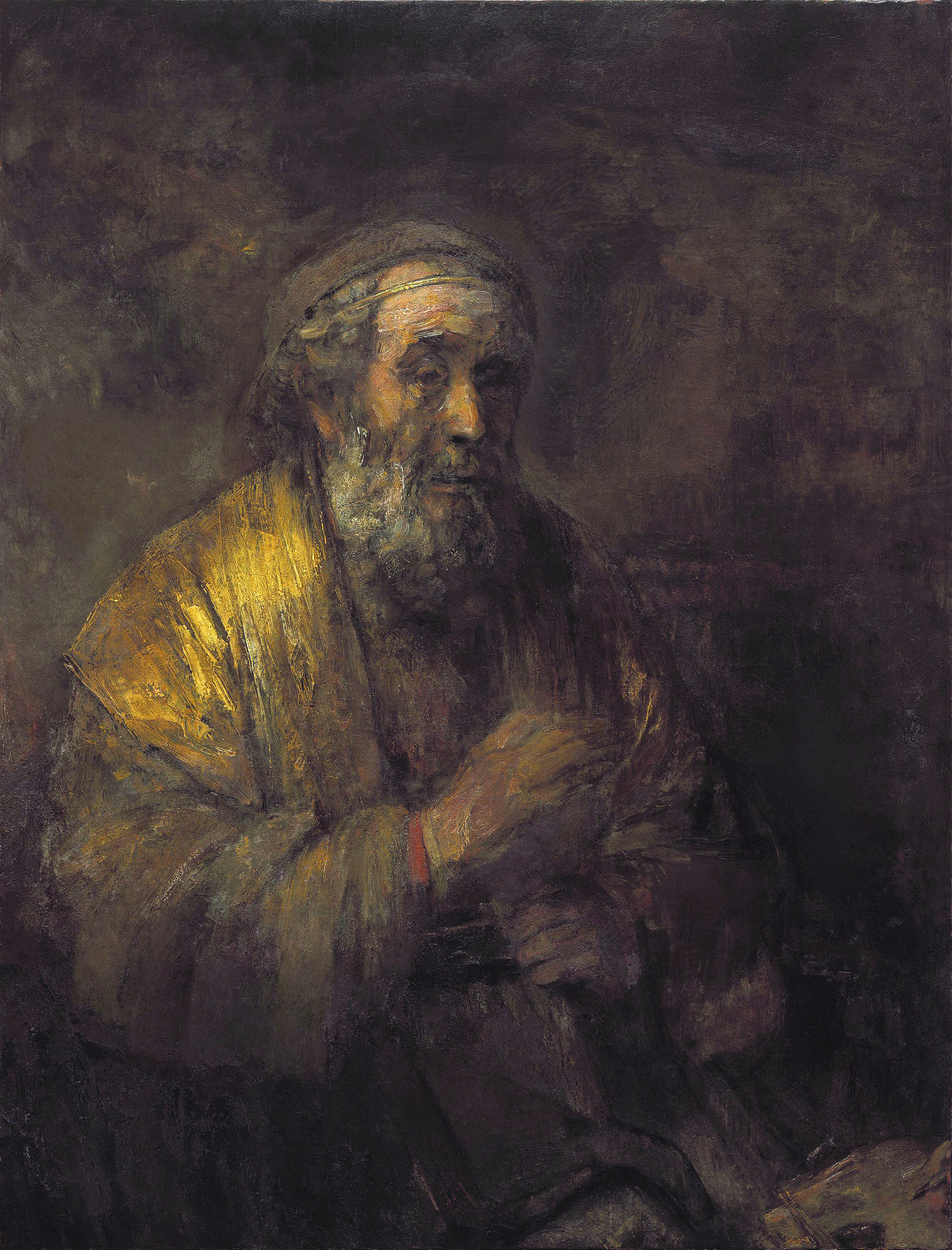
The Homeric Question refers to the long-standing debate among scholars about the authorship and composition of the ancient Greek epic poems, the Iliad and the…
Contents
- 📚 Introduction to the Homeric Question
- 🔍 The Ancient Greek Context: Homer, Aristotle, and the Epic Tradition
- 📝 The Oral-Formulaic Theory: Milman Parry and the Evolution of Homeric Scholarship
- 🌍 Cultural Significance and Legacy: From Ancient Greece to Modern Literature
- Frequently Asked Questions
- Related Topics
Overview
The Homeric Question has been a subject of fascination and debate for centuries, with scholars like Aristotle and Friedrich Nietzsche weighing in on the matter. At its core, the question revolves around the authorship and composition of the Iliad and the Odyssey, two epic poems that have had a profound impact on Western literature. The ancient Greek historian Herodotus, for example, wrote about the importance of Homer's works in shaping Greek culture and identity, while the Roman poet Virgil drew inspiration from Homer's epics in his own Aeneid. The Homeric Question has also been influenced by the works of other notable authors, such as the Greek poet Hesiod and the Roman statesman Cicero.
🔍 The Ancient Greek Context: Homer, Aristotle, and the Epic Tradition
The ancient Greek context in which the Homeric poems were written is crucial to understanding the Homeric Question. The epic tradition, which included works like the Theogony by Hesiod and the Argonautica by Apollonius of Rhodes, played a significant role in shaping the literary landscape of ancient Greece. The philosopher Aristotle, in his Poetics, discussed the importance of Homer's works in the development of Greek tragedy and comedy, while the historian Thucydides drew parallels between the heroic deeds of the Iliad and the Odyssey and the events of the Peloponnesian War. The influence of Homer's epics can also be seen in the works of later authors, such as the Roman poet Ovid and the Greek historian Plutarch.
📝 The Oral-Formulaic Theory: Milman Parry and the Evolution of Homeric Scholarship
The oral-formulaic theory, developed by scholars like Milman Parry and Albert Lord, has been instrumental in shaping our understanding of the Homeric Question. This theory posits that the Iliad and the Odyssey were composed orally, with the poet using a set of formulaic phrases and themes to create the epic narrative. The work of Parry and Lord has been influential in the field of classical studies, with scholars like Gregory Nagy and Richard Martin building upon their research. The oral-formulaic theory has also been applied to the study of other ancient literatures, such as the Old English epic Beowulf and the Sanskrit epic Mahabharata, with notable scholars like J.R.R. Tolkien and George Dumézil contributing to the discussion.
🌍 Cultural Significance and Legacy: From Ancient Greece to Modern Literature
The cultural significance and legacy of the Homeric Question extend far beyond the realm of classical studies. The Iliad and the Odyssey have had a profound impact on Western literature, influencing authors like John Milton, James Joyce, and Toni Morrison. The epic tradition, which includes works like the Aeneid and the Divine Comedy, continues to shape our understanding of heroism, morality, and the human condition. The Homeric Question has also been the subject of numerous adaptations and interpretations, from the films of Stanley Kubrick and the Coen brothers to the music of Bob Dylan and the art of Cy Twombly, with notable figures like Martin Heidegger and Northrop Frye offering their own perspectives on the matter.
Key Facts
- Year
- 8th century BCE
- Origin
- Ancient Greece
- Category
- history
- Type
- concept
Frequently Asked Questions
What is the Homeric Question?
The Homeric Question refers to the debate among scholars about the authorship and composition of the Iliad and the Odyssey, two epic poems attributed to the legendary poet Homer.
Who are some notable scholars associated with the Homeric Question?
Notable scholars include Aristotle, Friedrich Nietzsche, Milman Parry, and Gregory Nagy, among others.
What is the oral-formulaic theory?
The oral-formulaic theory posits that the Iliad and the Odyssey were composed orally, with the poet using a set of formulaic phrases and themes to create the epic narrative.
How has the Homeric Question influenced Western literature?
The Iliad and the Odyssey have had a profound impact on Western literature, influencing authors like John Milton, James Joyce, and Toni Morrison, among many others.
What are some notable adaptations and interpretations of the Homeric Question?
Notable adaptations and interpretations include films like Stanley Kubrick's 2001: A Space Odyssey and the Coen brothers' O Brother, Where Art Thou?, as well as musical works like Bob Dylan's song 'Tangled Up in Blue' and artistic works like Cy Twombly's 'Fifty Days at Iliam' series.