
Contents
Overview
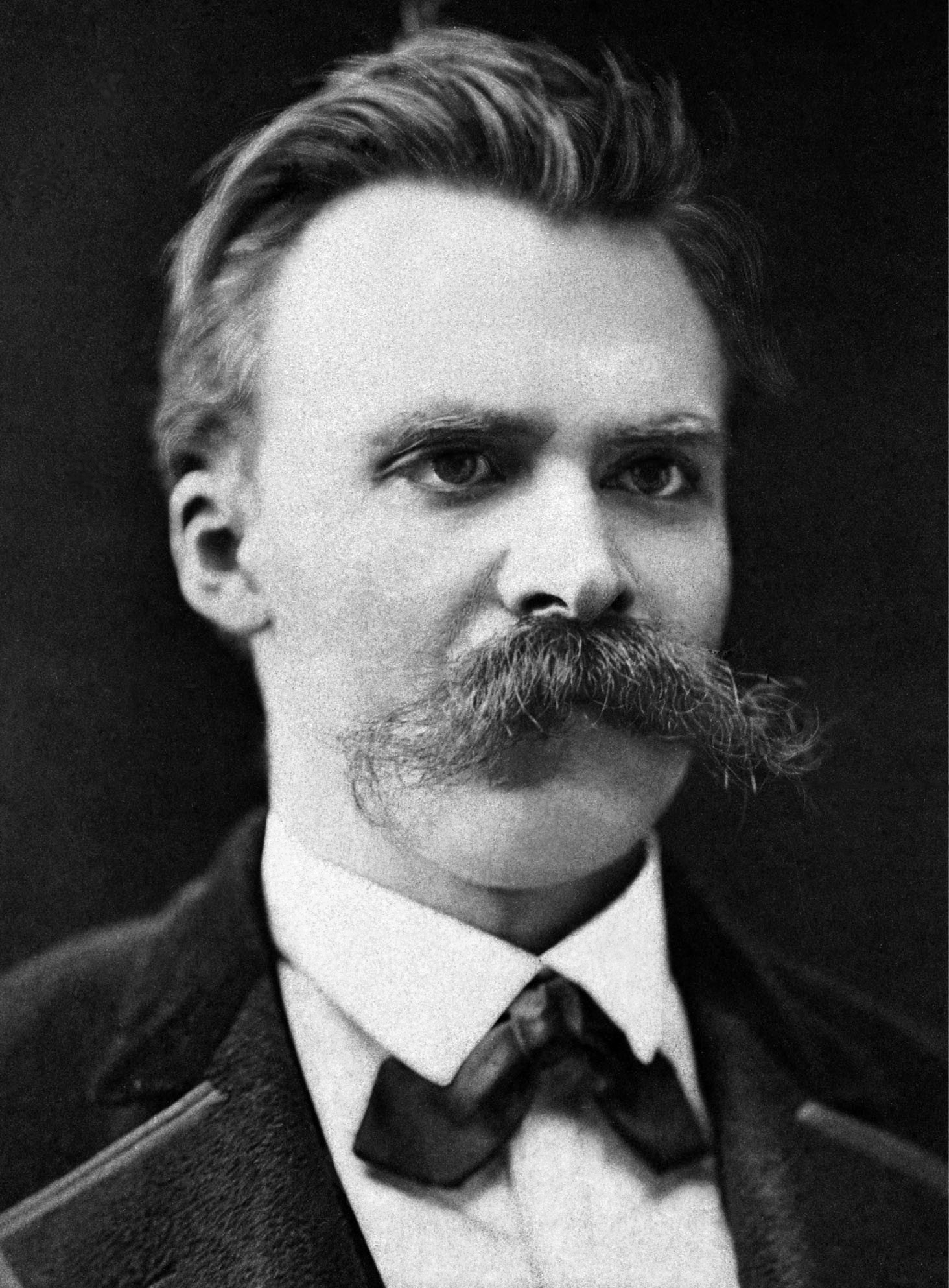
Friedrich Nietzsche was born on October 15, 1844, in Röcken, Prussia, to a family of Lutheran pastors. He studied theology and classical philology at the University of Bonn and the University of Leipzig, where he was heavily influenced by the works of Arthur Schopenhauer and Richard Wagner. Nietzsche's early career as a professor of classical philology at the University of Basel was marked by his critiques of traditional morality, which he saw as stifling individual creativity and excellence, a concept that would later be echoed by thinkers like Ayn Rand and Friedrich Hayek.
💡 Philosophical Ideas
Nietzsche's most famous philosophical ideas include the concept of the 'Will to Power', which posits that all living beings are driven by an innate desire for self-overcoming and the pursuit of excellence, an idea that has been explored by psychologists like Abraham Maslow and Carl Jung. He also developed the concept of the 'Übermensch', or 'Superman', which represents a being who has transcended conventional moral and cultural norms to create their own values and meaning in life, a concept that has been influential in the development of existentialism and has been referenced by authors like George Bernard Shaw and H.G. Wells.
🌎 Cultural Impact
Nietzsche's philosophy has had a profound impact on modern thought, influencing fields such as existentialism, postmodernism, and poststructuralism, with thinkers like Jacques Derrida, Michel Foucault, and Gilles Deleuze drawing on his ideas. His critiques of traditional morality and his emphasis on individual creativity and self-overcoming have also influenced artists and writers, including Friedrich Hölderlin, Rainer Maria Rilke, and Thomas Mann, as well as musicians like David Bowie and Iggy Pop, who have referenced Nietzsche's ideas in their work.
🔮 Legacy and Criticism
Despite his significant influence, Nietzsche's philosophy has also been subject to intense criticism and controversy, with some critics accusing him of promoting nihilism, fascism, and elitism, a critique that has been leveled by thinkers like Theodor Adorno and Max Horkheimer. However, others have defended Nietzsche's ideas as a necessary challenge to traditional morality and a call to individual freedom and creativity, a perspective that has been argued by scholars like Walter Kaufmann and Alexander Nehamas, who have written extensively on Nietzsche's philosophy and its relevance to modern thought.
Key Facts
- Year
- 1844-1900
- Origin
- Röcken, Prussia
- Category
- philosophy
- Type
- person
Frequently Asked Questions
What is the 'Will to Power'?
The 'Will to Power' is a central concept in Nietzsche's philosophy, which posits that all living beings are driven by an innate desire for self-overcoming and the pursuit of excellence.
Who is the 'Übermensch'?
The 'Übermensch', or 'Superman', is a being who has transcended conventional moral and cultural norms to create their own values and meaning in life.
What is Nietzsche's critique of traditional morality?
Nietzsche critiques traditional morality as stifling individual creativity and excellence, and argues that it is based on a false premise of objective moral truth.
How has Nietzsche's philosophy influenced modern thought?
Nietzsche's philosophy has influenced existentialism, postmodernism, and poststructuralism, and has had a significant impact on fields such as art, literature, and music.
What are some of the criticisms of Nietzsche's philosophy?
Some critics accuse Nietzsche of promoting nihilism, fascism, and elitism, while others defend his ideas as a necessary challenge to traditional morality and a call to individual freedom and creativity.