
Contents
- 🏛️ Introduction to Don't Ask, Don't Tell
- 📜 History of the Policy
- 👥 Key Players and Their Roles
- 🚫 Implementation and Enforcement
- 🤝 Opposition and Criticism
- 📰 Media Coverage and Public Opinion
- 🏳️🌈 LGBTQ+ Community Response
- 📊 Statistics and Impact
- 🚫 Repeal Efforts and Success
- 🕊️ Legacy and Current Status
- 🤝 International Comparisons and Influence
- Frequently Asked Questions
- Related Topics
Overview
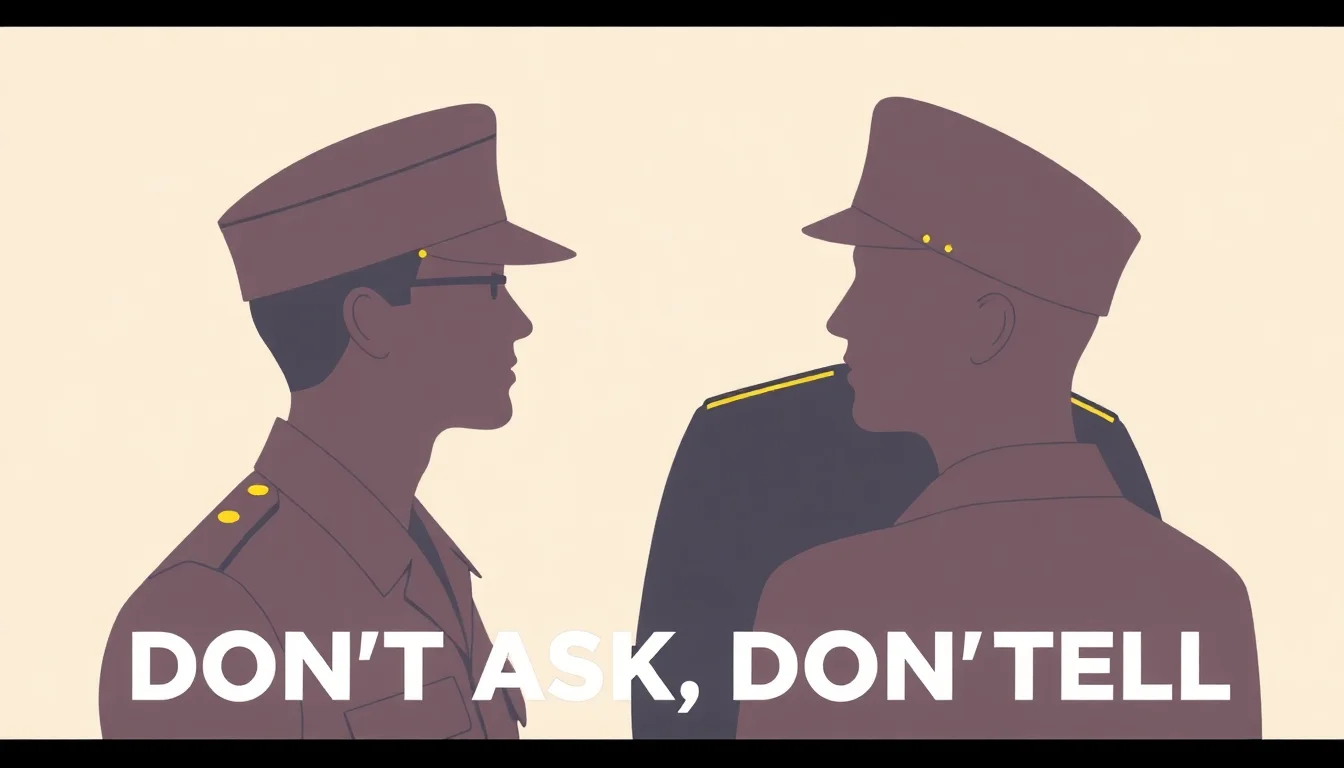
Don't Ask, Don't Tell (DADT) was a US military policy enacted in 1993 by President Bill Clinton, which prohibited military personnel from discriminating against or harassing closeted LGBTQ+ service members, while also barring openly LGBTQ+ individuals from serving. The policy was the result of a compromise between Clinton and Congressional Republicans, who opposed lifting the ban on LGBTQ+ service members altogether. DADT was widely criticized by LGBTQ+ advocacy groups, who argued that it forced service members to live in secrecy and fear of discharge. According to a 2010 study by the Palm Center, an estimated 13,000 service members were discharged under DADT between 1994 and 2009. The policy was eventually repealed in 2010, with the Don't Ask, Don't Tell Repeal Act signed into law by President Barack Obama. The repeal marked a significant shift in the US military's stance on LGBTQ+ service members, with many hailing it as a major victory for LGBTQ+ rights. However, the legacy of DADT continues to be felt, with many LGBTQ+ veterans still seeking justice and compensation for the discrimination they faced under the policy.
🏛️ Introduction to Don't Ask, Don't Tell
The Don't Ask, Don't Tell policy, introduced in 1993 by President Bill Clinton, was a significant shift in the United States military's stance on LGBTQ+ rights. The policy allowed LGBTQ+ individuals to serve in the military without fear of persecution, as long as they did not openly disclose their sexual orientation. This policy was a compromise between those who wanted to allow LGBTQ+ individuals to serve openly and those who opposed it. The policy was widely reported to be a result of the Clinton administration's efforts to address the issue of LGBTQ+ rights in the military, with key players like Colin Powell and Sam Nunn playing important roles.
📜 History of the Policy
The history of Don't Ask, Don't Tell is complex, with roots in the Cold War era. The policy was a response to the growing awareness of LGBTQ+ issues in the military, particularly during the Vietnam War. The Reagan administration had previously implemented a policy of excluding LGBTQ+ individuals from military service, citing concerns about unit cohesion and morale. However, with the advent of the Gulf War, the need for skilled personnel led to a reevaluation of this policy. The Don't Ask, Don't Tell Repeal Act was eventually passed in 2010, allowing LGBTQ+ individuals to serve openly in the military. For more information, see the LGBTQ+ rights movement.
👥 Key Players and Their Roles
Key players in the implementation and enforcement of Don't Ask, Don't Tell included high-ranking military officials like Norman Schwarzkopf and politicians like John McCain. These individuals played important roles in shaping the policy and its enforcement. However, the policy was also widely criticized by LGBTQ+ advocacy groups, such as the Human Rights Campaign and the Servicemembers Legal Defense Network. These groups argued that the policy was discriminatory and unconstitutional, and they worked tirelessly to repeal it. The American Civil Liberties Union also played a significant role in challenging the policy in court.
🚫 Implementation and Enforcement
The implementation and enforcement of Don't Ask, Don't Tell were marked by controversy and criticism. Many LGBTQ+ individuals were forced to hide their sexual orientation, leading to a culture of secrecy and fear. The policy also led to the discharge of thousands of LGBTQ+ service members, many of whom were highly skilled and experienced. The Pentagon was criticized for its handling of the policy, with many arguing that it was poorly implemented and enforced. For more information, see the Military Justice System.
🤝 Opposition and Criticism
Opposition to Don't Ask, Don't Tell was widespread, with many arguing that the policy was discriminatory and unconstitutional. LGBTQ+ advocacy groups, such as the Gay and Lesbian Alliance Against Defamation, worked to raise awareness about the issue and push for repeal. The policy was also criticized by many in the mainstream media, with outlets like The New York Times and The Washington Post publishing editorials and articles opposing the policy. The Log Cabin Republicans also played a significant role in opposing the policy.
📰 Media Coverage and Public Opinion
Media coverage of Don't Ask, Don't Tell was extensive, with many outlets covering the policy and its impact. The CNN and MSNBC provided in-depth coverage of the issue, including interviews with LGBTQ+ service members and advocates. The policy was also widely discussed on social media, with many using platforms like Twitter and Facebook to express their opinions and raise awareness. The Huffington Post also provided extensive coverage of the issue.
🏳️🌈 LGBTQ+ Community Response
The LGBTQ+ community responded to Don't Ask, Don't Tell with a mix of anger and frustration. Many felt that the policy was a betrayal of their trust and a violation of their rights. The LGBTQ+ community came together to oppose the policy, with many organizations and individuals working to raise awareness and push for repeal. The National Center for Lesbian Rights and the Trevor Project also played significant roles in supporting LGBTQ+ youth and advocating for their rights.
📊 Statistics and Impact
The statistics on Don't Ask, Don't Tell are stark, with thousands of LGBTQ+ service members discharged under the policy. According to a report by the Congressional Research Service, over 14,000 service members were discharged between 1994 and 2010. The policy also had a significant impact on the military's ability to recruit and retain skilled personnel, with many LGBTQ+ individuals choosing not to serve due to the policy. The Williams Institute also provided research on the impact of the policy on the LGBTQ+ community.
🚫 Repeal Efforts and Success
Repeal efforts for Don't Ask, Don't Tell were successful in 2010, with the passage of the Don't Ask, Don't Tell Repeal Act. The repeal was the result of years of advocacy and activism by LGBTQ+ groups and their allies. The Obama administration played a significant role in the repeal effort, with President Barack Obama signing the repeal into law. The Repeal of Don't Ask, Don't Tell marked a significant milestone in the LGBTQ+ rights movement.
🕊️ Legacy and Current Status
The legacy of Don't Ask, Don't Tell is complex, with both positive and negative impacts. On the one hand, the policy marked a significant shift in the military's stance on LGBTQ+ issues, paving the way for future progress. On the other hand, the policy was widely criticized for its discriminatory and unconstitutional nature. Today, the military is working to implement policies that support the inclusion and retention of LGBTQ+ service members. The Department of Defense has also taken steps to address the issues faced by LGBTQ+ service members.
🤝 International Comparisons and Influence
Internationally, the United States' approach to LGBTQ+ issues in the military has been influential, with many countries following suit. The North Atlantic Treaty Organization (NATO) has also implemented policies supporting the inclusion of LGBTQ+ service members. However, there is still much work to be done, with many countries continuing to discriminate against LGBTQ+ individuals in the military. The United Nations has also played a significant role in promoting LGBTQ+ rights globally.
Key Facts
- Year
- 1993
- Origin
- United States
- Category
- Politics and Social Issues
- Type
- Policy
Frequently Asked Questions
What was the Don't Ask, Don't Tell policy?
The Don't Ask, Don't Tell policy was a policy implemented in 1993 that allowed LGBTQ+ individuals to serve in the military without fear of persecution, as long as they did not openly disclose their sexual orientation. The policy was widely criticized for its discriminatory and unconstitutional nature. For more information, see the Don't Ask, Don't Tell policy.
Who were the key players in the implementation and enforcement of Don't Ask, Don't Tell?
Key players in the implementation and enforcement of Don't Ask, Don't Tell included high-ranking military officials like Norman Schwarzkopf and politicians like John McCain. LGBTQ+ advocacy groups, such as the Human Rights Campaign and the Servicemembers Legal Defense Network, also played important roles in shaping the policy and its enforcement. The American Civil Liberties Union also played a significant role in challenging the policy in court.
What was the impact of Don't Ask, Don't Tell on the LGBTQ+ community?
The impact of Don't Ask, Don't Tell on the LGBTQ+ community was significant, with many feeling that the policy was a betrayal of their trust and a violation of their rights. The policy led to the discharge of thousands of LGBTQ+ service members, many of whom were highly skilled and experienced. The Williams Institute provided research on the impact of the policy on the LGBTQ+ community. For more information, see the LGBTQ+ community.
How was Don't Ask, Don't Tell repealed?
Don't Ask, Don't Tell was repealed in 2010, with the passage of the Don't Ask, Don't Tell Repeal Act. The repeal was the result of years of advocacy and activism by LGBTQ+ groups and their allies. The Obama administration played a significant role in the repeal effort, with President Barack Obama signing the repeal into law. The Repeal of Don't Ask, Don't Tell marked a significant milestone in the LGBTQ+ rights movement.
What is the current status of LGBTQ+ rights in the military?
Today, the military is working to implement policies that support the inclusion and retention of LGBTQ+ service members. The Department of Defense has also taken steps to address the issues faced by LGBTQ+ service members. However, there is still much work to be done, with many challenges remaining for LGBTQ+ individuals in the military. The United States military has made significant progress in promoting LGBTQ+ rights, but there is still more to be done.
How does the United States' approach to LGBTQ+ issues in the military compare to other countries?
The United States' approach to LGBTQ+ issues in the military has been influential, with many countries following suit. The North Atlantic Treaty Organization (NATO) has also implemented policies supporting the inclusion of LGBTQ+ service members. However, there is still much work to be done, with many countries continuing to discriminate against LGBTQ+ individuals in the military. The United Nations has also played a significant role in promoting LGBTQ+ rights globally.
What are the implications of Don't Ask, Don't Tell for the broader LGBTQ+ rights movement?
The implications of Don't Ask, Don't Tell for the broader LGBTQ+ rights movement are significant. The policy marked a significant shift in the military's stance on LGBTQ+ issues, paving the way for future progress. The repeal of Don't Ask, Don't Tell also marked a significant milestone in the LGBTQ+ rights movement, demonstrating the power of advocacy and activism. The LGBTQ+ rights movement has made significant progress in recent years, but there is still much work to be done to achieve full equality for LGBTQ+ individuals.