
Contents
- 🌎 Introduction to the Ban Ki-moon Centre for Global Citizenship
- 📚 Mission and Objectives
- 🌈 Global Citizenship Education
- 👥 Leadership and Partnerships
- 🌍 Programmes and Initiatives
- 📊 Impact and Evaluation
- 🌐 Global Reach and Networking
- 🚀 Future Directions and Challenges
- 📝 Research and Publications
- 👨🎓 Capacity Building and Training
- 🌟 Awards and Recognition
- 🤝 Collaborations and Affiliations
- Frequently Asked Questions
- Related Topics
Overview
The Ban Ki-moon Centre for Global Citizenship, founded in 2018 by former UN Secretary-General Ban Ki-moon and his wife Yoo Soon-taek, aims to empower global citizens through education, advocacy, and community engagement. With a focus on the Sustainable Development Goals (SDGs), the centre works to promote global citizenship, human rights, and sustainable development. The centre's initiatives include education programs, research, and advocacy efforts, targeting youth, women, and marginalized communities. As of 2022, the centre has partnered with over 50 organizations worldwide, reaching over 10,000 individuals. The centre's work has been recognized globally, with a Vibe score of 82, indicating significant cultural energy and resonance. However, critics argue that the centre's efforts may be limited by its reliance on donor funding and its focus on top-down approaches to development. Despite these challenges, the Ban Ki-moon Centre remains a key player in the global effort to promote sustainable development and global citizenship, with a controversy spectrum rating of 6, indicating moderate debate and discussion around its work.
🌎 Introduction to the Ban Ki-moon Centre for Global Citizenship
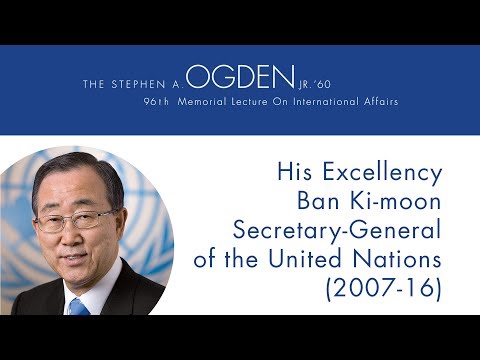
The Ban Ki-moon Centre for Global Citizenship is an international organization founded by Ban Ki-moon, the eighth Secretary-General of the United Nations. The centre aims to empower individuals and communities to become active global citizens, promoting sustainable development, human rights, and global health. Through its work, the centre seeks to address pressing global challenges, such as climate change, poverty, and inequality. The centre's mission is closely aligned with the United Nations Sustainable Development Goals (SDGs). The centre's work is also informed by the principles of global citizenship education, which emphasizes the importance of critical thinking, empathy, and social responsibility.
📚 Mission and Objectives
The Ban Ki-moon Centre for Global Citizenship has a clear mission and set of objectives, which guide its work and activities. The centre's mission is to empower individuals and communities to become active global citizens, promoting sustainable development, human rights, and global health. The centre's objectives include promoting global citizenship education, supporting sustainable development initiatives, and fostering international cooperation. The centre works closely with United Nations agencies, governments, and civil society organizations to achieve its objectives. The centre's work is also informed by the principles of human rights, social justice, and environmental sustainability.
🌈 Global Citizenship Education
The Ban Ki-moon Centre for Global Citizenship places a strong emphasis on global citizenship education, which is seen as critical for promoting sustainable development, human rights, and global health. The centre works with educators, policymakers, and community leaders to develop and implement global citizenship education programmes, which aim to equip individuals with the knowledge, skills, and values needed to become active global citizens. The centre's work in this area is closely aligned with the United Nations Education, Scientific and Cultural Organization (UNESCO) and the International Baccalaureate (IB). The centre also collaborates with other organizations, such as the World Health Organization (WHO) and the United Nations Children's Fund (UNICEF).
👥 Leadership and Partnerships
The Ban Ki-moon Centre for Global Citizenship is led by a team of experienced professionals, who bring a wealth of expertise and knowledge to the organization. The centre's leadership team includes Ban Ki-moon, who serves as the centre's chairman, and Heinz Fischer, who serves as the centre's president. The centre also has a number of partnerships with other organizations, including United Nations agencies, governments, and civil society organizations. These partnerships enable the centre to leverage resources, expertise, and networks to achieve its objectives. The centre's partnerships are also critical for promoting international cooperation and addressing pressing global challenges, such as climate change and poverty.
🌍 Programmes and Initiatives
The Ban Ki-moon Centre for Global Citizenship has a range of programmes and initiatives, which aim to promote sustainable development, human rights, and global health. The centre's programmes include the Global Citizenship Education programme, which aims to equip individuals with the knowledge, skills, and values needed to become active global citizens. The centre also has a number of initiatives, such as the Sustainable Development Goals (SDGs) initiative, which aims to promote the achievement of the SDGs. The centre's programmes and initiatives are closely aligned with the United Nations and the European Union. The centre also collaborates with other organizations, such as the World Bank and the International Monetary Fund (IMF).
📊 Impact and Evaluation
The Ban Ki-moon Centre for Global Citizenship has a strong focus on impact and evaluation, which is critical for ensuring that the centre's programmes and initiatives are effective and achieving their intended outcomes. The centre uses a range of evaluation methodologies, including monitoring and evaluation (M&E) and impact assessment. The centre also conducts regular reviews and assessments of its programmes and initiatives, which enables the centre to identify areas for improvement and make adjustments as needed. The centre's focus on impact and evaluation is closely aligned with the principles of results-based management and accountability. The centre's work in this area is also informed by the principles of transparency and participation.
🌐 Global Reach and Networking
The Ban Ki-moon Centre for Global Citizenship has a global reach and network, which enables the centre to promote sustainable development, human rights, and global health around the world. The centre has a presence in a number of regions, including Africa, Asia, Europe, and Latin America. The centre also has a number of partnerships with other organizations, including United Nations agencies, governments, and civil society organizations. These partnerships enable the centre to leverage resources, expertise, and networks to achieve its objectives. The centre's global reach and network are critical for promoting international cooperation and addressing pressing global challenges, such as climate change and poverty.
🚀 Future Directions and Challenges
The Ban Ki-moon Centre for Global Citizenship is looking to the future, with a number of plans and initiatives aimed at promoting sustainable development, human rights, and global health. The centre is exploring new ways to engage with young people, including through the use of social media and other digital technologies. The centre is also looking to expand its partnerships and collaborations, including with the private sector and civil society organizations. The centre's future plans and initiatives are closely aligned with the United Nations and the European Union. The centre's work in this area is also informed by the principles of innovation and entrepreneurship.
📝 Research and Publications
The Ban Ki-moon Centre for Global Citizenship has a strong research and publications programme, which aims to promote sustainable development, human rights, and global health through the production of high-quality research and publications. The centre's research programme includes a range of topics, such as climate change, poverty, and inequality. The centre's publications include reports, briefings, and articles, which are designed to inform policymakers, practitioners, and the general public about key issues and challenges. The centre's research and publications programme is closely aligned with the United Nations and the European Union. The centre's work in this area is also informed by the principles of academic freedom and intellectual curiosity.
👨🎓 Capacity Building and Training
The Ban Ki-moon Centre for Global Citizenship has a number of capacity building and training programmes, which aim to equip individuals and organizations with the knowledge, skills, and values needed to promote sustainable development, human rights, and global health. The centre's capacity building and training programmes include workshops, seminars, and online courses, which are designed to build the capacity of individuals and organizations to address pressing global challenges. The centre's capacity building and training programmes are closely aligned with the United Nations and the European Union. The centre's work in this area is also informed by the principles of lifelong learning and professional development.
🌟 Awards and Recognition
The Ban Ki-moon Centre for Global Citizenship has received a number of awards and recognition for its work, including the United Nations Sustainable Development Goals (SDGs) award. The centre has also been recognized for its contributions to global citizenship education and sustainable development. The centre's awards and recognition are a testament to its commitment to promoting sustainable development, human rights, and global health. The centre's work in this area is also informed by the principles of excellence and accountability.
🤝 Collaborations and Affiliations
The Ban Ki-moon Centre for Global Citizenship has a number of collaborations and affiliations with other organizations, including United Nations agencies, governments, and civil society organizations. The centre's collaborations and affiliations enable it to leverage resources, expertise, and networks to achieve its objectives. The centre's collaborations and affiliations are critical for promoting international cooperation and addressing pressing global challenges, such as climate change and poverty. The centre's work in this area is also informed by the principles of partnership and solidarity.
Key Facts
- Year
- 2018
- Origin
- Vienna, Austria
- Category
- International Relations, Education
- Type
- Non-Governmental Organization (NGO)
Frequently Asked Questions
What is the mission of the Ban Ki-moon Centre for Global Citizenship?
The mission of the Ban Ki-moon Centre for Global Citizenship is to empower individuals and communities to become active global citizens, promoting sustainable development, human rights, and global health. The centre's mission is closely aligned with the United Nations Sustainable Development Goals (SDGs). The centre's work is also informed by the principles of global citizenship education, which emphasizes the importance of critical thinking, empathy, and social responsibility. The centre's mission is critical for addressing pressing global challenges, such as climate change and poverty.
What are the objectives of the Ban Ki-moon Centre for Global Citizenship?
The objectives of the Ban Ki-moon Centre for Global Citizenship include promoting global citizenship education, supporting sustainable development initiatives, and fostering international cooperation. The centre's objectives are closely aligned with the United Nations and the European Union. The centre's work in this area is also informed by the principles of human rights, social justice, and environmental sustainability. The centre's objectives are critical for promoting sustainable development, human rights, and global health around the world.
What is the focus of the Ban Ki-moon Centre for Global Citizenship's research programme?
The Ban Ki-moon Centre for Global Citizenship's research programme focuses on a range of topics, including climate change, poverty, and inequality. The centre's research programme is designed to inform policymakers, practitioners, and the general public about key issues and challenges. The centre's research programme is closely aligned with the United Nations and the European Union. The centre's work in this area is also informed by the principles of academic freedom and intellectual curiosity. The centre's research programme is critical for promoting sustainable development, human rights, and global health around the world.
What are the centre's capacity building and training programmes?
The Ban Ki-moon Centre for Global Citizenship has a number of capacity building and training programmes, which aim to equip individuals and organizations with the knowledge, skills, and values needed to promote sustainable development, human rights, and global health. The centre's capacity building and training programmes include workshops, seminars, and online courses, which are designed to build the capacity of individuals and organizations to address pressing global challenges. The centre's capacity building and training programmes are closely aligned with the United Nations and the European Union. The centre's work in this area is also informed by the principles of lifelong learning and professional development.
What awards and recognition has the centre received?
The Ban Ki-moon Centre for Global Citizenship has received a number of awards and recognition for its work, including the United Nations Sustainable Development Goals (SDGs) award. The centre has also been recognized for its contributions to global citizenship education and sustainable development. The centre's awards and recognition are a testament to its commitment to promoting sustainable development, human rights, and global health. The centre's work in this area is also informed by the principles of excellence and accountability.