
Contents
Overview
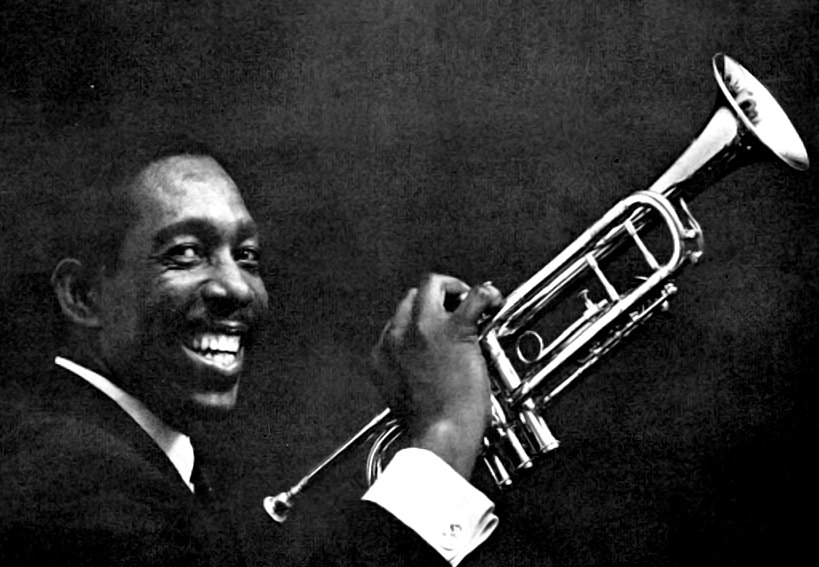
Born McKinley Howard Dorham in Fairfield, Texas, on August 30, 1924, his musical journey began with piano lessons before he transitioned to the trumpet in high school. His early career saw him honing his craft in the vibrant jazz scenes of Los Angeles and then New York City, a crucial period for the development of bebop. Dorham’s distinctive sound and improvisational skill quickly gained notice, leading to significant sideman roles with prominent figures like Miles Davis and Dizzy Gillespie. He was a key member of Max Roach's quintet during the mid-1950s, contributing significantly to landmark albums like Clifford Brown and Max Roach (1954) and Study in Brown (1955). His own recording career began in earnest in the early 1950s, releasing albums under his own name for labels such as Blue Note Records and Riverside Records, establishing him as a formidable bandleader.
⚙️ How It Works
Dorham's trumpet playing was characterized by its lyrical quality, impeccable tone, and a sophisticated harmonic sensibility that often pushed the boundaries of hard bop. He possessed a remarkable ability to construct fluid, logical improvisations, eschewing overt pyrotechnics for melodic invention and emotional depth. His compositions, most notably "Blue Bossa," showcase a keen understanding of melody and structure, often incorporating elements of bossa nova and Latin rhythms into a jazz framework. As a bandleader, Dorham was known for fostering a collaborative environment, often featuring emerging talents in his ensembles, allowing their voices to blend with his own distinctive sound. His arrangements frequently featured intricate voicings and dynamic interplay between musicians, creating a rich and engaging listening experience.
📊 Key Facts & Numbers
Kenny Dorham's trumpet playing can be heard on seminal albums such as Miles Davis's 'Round About Midnight (1957) and Art Blakey and the Jazz Messengers' Africana (1957). He performed extensively throughout the United States and Europe, playing in legendary venues like Birdland in New York City. Despite his prolific output, his annual income from music was modest, reflecting the economic realities for many jazz musicians of his era.
👥 Key People & Organizations
Dorham's career was intertwined with many giants of jazz. He played alongside Clifford Brown and Max Roach in the legendary quintet that bore their names, a collaboration that produced some of the most iconic recordings of the 1950s. His association with Joe Henderson led to the creation of "Blue Bossa," a piece that became a cornerstone of the jazz repertoire. Dorham also led bands that featured prominent musicians such as Tony Williams, Eric Dolphy, and Herbie Hancock in their early careers, showcasing his role as a mentor and discoverer of talent. He was a contemporary and peer of trumpeters like Lee Morgan and Freddie Hubbard, though his own career trajectory differed significantly in terms of mainstream recognition.
🌍 Cultural Impact & Influence
The enduring legacy of Kenny Dorham is most powerfully felt through his composition "Blue Bossa," a standard that remains a staple in jazz education and performance worldwide, introduced to countless students via jazz improvisation courses. His warm, lyrical trumpet tone and sophisticated improvisational style have influenced generations of trumpeters, including Wynton Marsalis and Terence Blanchard. Despite his relative obscurity during his lifetime, Dorham's work has been consistently re-evaluated and celebrated by critics and musicians, solidifying his status as a pivotal figure in post-bop jazz. His compositions continue to be performed and reinterpreted, ensuring his musical ideas resonate with new audiences and musicians alike.
⚡ Current State & Latest Developments
In recent years, there has been a renewed appreciation for Kenny Dorham's discography, with reissues of his classic albums on labels like Blue Note and Music Matters Jazz bringing his music to a wider audience. Jazz historians and critics continue to champion his work, highlighting his unique contributions to the genre. While no new recordings or performances by Dorham himself are possible, his influence persists through the ongoing performance of his compositions and the study of his improvisational approach by contemporary musicians. The jazz community actively works to ensure his legacy is not forgotten, often featuring his tunes in tribute concerts and educational programs.
🤔 Controversies & Debates
The primary controversy surrounding Kenny Dorham is the persistent debate over his lack of widespread recognition during his lifetime. Critics and fans alike question why a musician of his caliber, with such a distinctive voice and significant compositional output, never achieved the same level of fame as many of his peers. Some argue this was due to his own understated personality and reluctance to engage in the self-promotion common in the music industry, while others point to systemic issues within the jazz establishment that favored certain artists over others. The "underrated" label, while accurate in describing his public profile, can also be seen as a reductive framing that overshadows the profound impact he did have on those who truly listened.
🔮 Future Outlook & Predictions
The future for Kenny Dorham's music appears secure, driven by the continued relevance of his compositions and the ongoing rediscovery of his recorded output. As jazz education programs increasingly emphasize historical breadth, Dorham's work is likely to be introduced to even more aspiring musicians. The "Blue Bossa" phenomenon alone guarantees his name will remain in circulation. Furthermore, the ongoing trend of reissuing and critically re-examining the catalogs of influential but less-celebrated artists suggests that Dorham's own albums will continue to find new listeners. The challenge remains to elevate his narrative beyond simply being "underrated" and to fully integrate his contributions into the mainstream understanding of jazz history.
💡 Practical Applications
The most significant practical application of Kenny Dorham's work is undoubtedly his composition "Blue Bossa." This piece serves as a fundamental learning tool for jazz students worldwide, teaching essential concepts of modal jazz improvisation, harmonic progression, and rhythmic feel. It's a common choice for auditions, jam sessions, and as a repertoire piece for jazz ensembles at institutions like the Berklee College of Music. Beyond "Blue Bossa," Dorham's improvisational solos on his own recordings and his sideman appearances offer invaluable case studies for students of jazz trumpet and improvisation, demonstrating melodic construction, harmonic vocabulary, and rhythmic phrasing within the context of bebop and beyond.
Key Facts
- Category
- culture
- Type
- person