
Contents
Overview
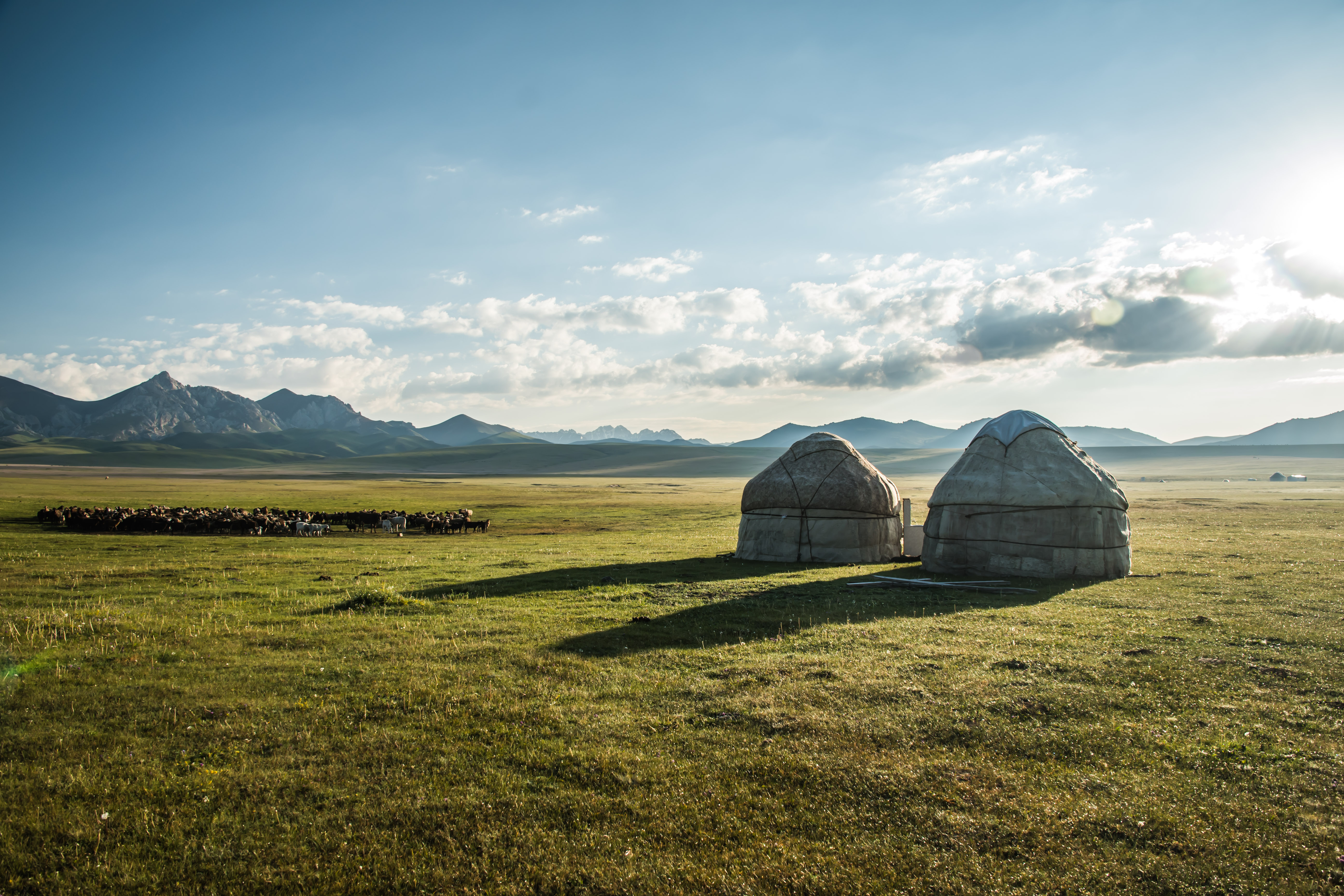
The word 'yurt' is derived from the Turkic word 'yurta', meaning 'dwelling' or 'home'. Traditional yurts were made from animal hides, wool, and wood. Yurts have evolved to become popular modern glamping options, while still maintaining their cultural significance in Central Asia. With a unique and sustainable way of life, yurts can be found in various parts of the world, from luxury resorts to traditional nomadic settlements, with a wide range of designs and materials, from traditional to modern and eco-friendly. The versatility and functionality of yurts have made them an attractive option for outdoor enthusiasts and environmentalists alike, with many companies offering yurt-based accommodations and experiences. As a cultural symbol, yurts have also been featured in various art installations, including the Inselspital in Bern, Switzerland, which showcases a modern yurt installation.
🎵 Origins & History
Origins paragraph — The word 'yurt' is derived from the Turkic word 'yurta', meaning 'dwelling' or 'home'. Traditional yurts were made from animal hides, wool, and wood. The design and construction of yurts have been influenced by various cultures. For example, different regions have developed their unique style and materials. Today, yurts can be found in various parts of the world, from traditional nomadic settlements to modern glamping resorts, with companies like Airbnb and Booking.com offering yurt-based accommodations.
⚙️ How It Works
How it works — A traditional yurt consists of a flexible lattice structure, often made from wood or bamboo, covered with animal hides or felt. The roof is typically self-supporting, with a crown or compression ring that provides additional stability. The walls are usually made from a series of wooden or bamboo poles, connected by a tension band to prevent spreading. Modern yurts may use more advanced materials, such as steel or aluminum, and may feature additional amenities, such as windows, doors, and insulation. The construction of yurts requires great skill and craftsmanship, with many nomadic groups passing down their traditional techniques and designs from generation to generation.
📊 Key Facts & Numbers
Key facts — Yurts can be set up or taken down in as little as 30 minutes, making them an ideal option for outdoor enthusiasts. Traditional yurts were made from animal hides, wool, and wood. The cost of a yurt can range from a few hundred to several thousand dollars, depending on the materials and features. Companies like Glamping Hub and Yurt Rentals offer a wide range of yurt-based accommodations and experiences.
👥 Key People & Organizations
Key people — Nomadic groups have been using yurts for centuries. Modern yurt manufacturers and designers, such as Yurtco and Colorado Yurt Company, have helped to popularize yurts as a modern glamping option. Additionally, companies like Patagonia and REI have been instrumental in promoting sustainable and eco-friendly yurt-based tourism, with a focus on reducing environmental impact and supporting local communities.
🌍 Cultural Impact & Influence
Cultural impact — Yurts have been featured in various art installations, such as the Inselspital in Bern, Switzerland, which showcases a modern yurt installation. The cultural significance of yurts is also reflected in their use in traditional nomadic practices, which have been passed down from generation to generation. Companies like National Geographic and Discovery Channel have featured yurts in their documentaries and shows, highlighting their cultural and historical significance.
⚡ Current State & Latest Developments
Current state — Yurts are experiencing a resurgence in popularity, particularly in the glamping industry. Many companies, such as Airbnb and Booking.com, offer yurt-based accommodations, and there are numerous yurt manufacturers and designers around the world. The rise of sustainable and eco-friendly tourism has also led to an increase in demand for yurts, with many companies offering yurt-based experiences and packages.
🤔 Controversies & Debates
Controversies — One of the main controversies surrounding yurts is the impact of modernization on traditional nomadic practices. The introduction of modern materials and technologies has led to concerns about the loss of traditional skills and cultural heritage. Companies like Greenpeace and World Wildlife Fund have raised awareness about the environmental impact of tourism and the importance of sustainable and responsible practices.
🔮 Future Outlook & Predictions
Future outlook — The future of yurts looks promising, with the glamping industry expected to continue growing in the coming years. The increasing demand for sustainable and eco-friendly tourism is likely to drive the development of new yurt designs and materials, as well as innovative ways to use yurts in traditional nomadic practices. Companies like Tesla and Google are investing in sustainable energy and technology, which could lead to the development of more efficient and environmentally friendly yurt designs.
💡 Practical Applications
Practical applications — Yurts have a wide range of practical applications, from traditional nomadic practices to modern glamping and outdoor enthusiasts. They can be used as temporary or permanent dwellings, and can be easily set up or taken down. Yurts are also a popular option for festivals and events, such as Coachella and Burning Man, where they provide a unique and sustainable accommodation option.
Key Facts
- Category
- culture
- Type
- topic