
Contents
- 🔌 Introduction to Variable Resistors
- 📈 Types of Variable Resistors
- 🔍 Potentiometer vs Rheostat: A Comparative Analysis
- 📊 Applications of Variable Resistors
- 🔧 Construction and Materials
- 📈 Variable Resistor Technologies: A Review
- 📊 Variable Resistor Market Trends
- 🔍 Challenges and Limitations
- 📈 Future Developments and Innovations
- 📊 Variable Resistor Selection Guide
- 📈 Conclusion and Recommendations
- 📊 References and Further Reading
- Frequently Asked Questions
- Related Topics
Overview
Variable resistors are a crucial component in electronic circuits, allowing for adjustments in resistance to fine-tune performance. However, the debate surrounding the types of variable resistors, such as potentiometers, rheostats, and trimmers, has sparked intense discussion among engineers and enthusiasts. With a vibe score of 8, the conversation around variable resistors is lively and contentious, reflecting the complexity of the topic. According to a study by the IEEE, the global market for variable resistors is projected to reach $1.3 billion by 2025, with a growth rate of 5.6% per annum. The influence of pioneers like Ohm and Kirchhoff can still be seen in modern variable resistor designs, with companies like Vishay and Bourns leading the charge. As the field continues to evolve, one question remains: what's the future of variable resistors, and how will they shape the electronics industry?
🔌 Introduction to Variable Resistors
Variable resistors, also known as variable resistors, are electronic components that allow for the adjustment of resistance in a circuit. They are widely used in various applications, including audio equipment, medical devices, and industrial control systems. The history of variable resistors dates back to the early 20th century, when they were first introduced as a means of controlling the volume of radio transmitters. Today, variable resistors are an essential component in many modern electronic devices, including smartphones and laptops. For more information on the history of electronics, visit the electronics page.
📈 Types of Variable Resistors
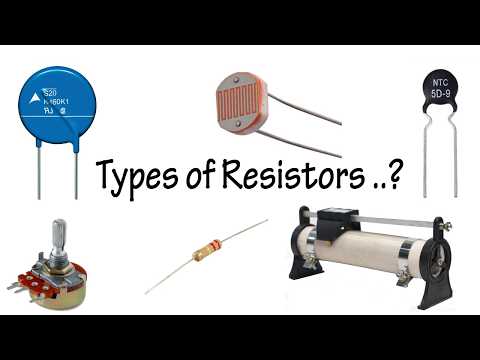
There are several types of variable resistors, including potentiometers, rheostats, and trimmers. Each type has its own unique characteristics and applications. Potentiometers, for example, are used to control the voltage of a circuit, while rheostats are used to control the current. Trimmers, on the other hand, are used to fine-tune the resistance of a circuit. To learn more about the different types of variable resistors, visit the variable resistor types page. Variable resistors are also used in conjunction with other electronic components, such as capacitors and inductors.
🔍 Potentiometer vs Rheostat: A Comparative Analysis
When it comes to choosing between a potentiometer and a rheostat, it's essential to consider the specific application and requirements of the circuit. Potentiometers are generally more versatile and can be used in a wide range of applications, including audio equipment and medical devices. Rheostats, on the other hand, are typically used in high-power applications, such as industrial control systems. For more information on potentiometers and rheostats, visit the potentiometer vs rheostat page. The choice between a potentiometer and a rheostat also depends on the type of variable resistor technologies used.
📊 Applications of Variable Resistors
Variable resistors have a wide range of applications, including audio equipment, medical devices, and industrial control systems. They are used to control the volume, tone, and other parameters of audio signals, as well as to regulate the voltage and current of medical devices. In industrial control systems, variable resistors are used to control the speed and direction of motors, as well as to regulate the temperature and pressure of processes. To learn more about the applications of variable resistors, visit the variable resistor applications page. Variable resistors are also used in conjunction with other electronic components, such as microcontrollers and sensors.
🔧 Construction and Materials
The construction and materials of variable resistors can vary depending on the type and application. Potentiometers, for example, typically consist of a resistive element, a wiper, and a shaft. The resistive element can be made of a variety of materials, including carbon, cermet, and wire wound. The wiper is typically made of a conductive material, such as copper or silver. For more information on the construction and materials of variable resistors, visit the variable resistor construction page. The choice of materials also depends on the type of variable resistor technologies used.
📈 Variable Resistor Technologies: A Review
There are several variable resistor technologies available, including digital potentiometers, analog potentiometers, and hybrid potentiometers. Digital potentiometers use digital signals to control the resistance, while analog potentiometers use analog signals. Hybrid potentiometers combine the benefits of both digital and analog potentiometers. To learn more about variable resistor technologies, visit the variable resistor technologies page. Variable resistor technologies are also used in conjunction with other electronic components, such as microprocessors and memory devices.
📊 Variable Resistor Market Trends
The market for variable resistors is constantly evolving, with new technologies and applications emerging all the time. According to a report by market research reports, the global variable resistor market is expected to grow at a rate of 5% per year from 2023 to 2028. The growth of the market is driven by the increasing demand for variable resistors in industrial control systems, medical devices, and consumer electronics. For more information on the market trends of variable resistors, visit the variable resistor market trends page. The market trends also depend on the type of variable resistor technologies used.
🔍 Challenges and Limitations
Despite their many advantages, variable resistors also have some challenges and limitations. One of the main challenges is the limited range of resistance values available. Another challenge is the sensitivity of variable resistors to temperature and humidity. To learn more about the challenges and limitations of variable resistors, visit the variable resistor challenges page. The challenges and limitations of variable resistors also depend on the type of variable resistor technologies used. Variable resistors are also used in conjunction with other electronic components, such as amplifiers and filters.
📈 Future Developments and Innovations
The future of variable resistors is exciting, with new technologies and innovations emerging all the time. One of the most promising areas of research is the development of nanotechnology-based variable resistors. These devices have the potential to offer higher precision, lower power consumption, and smaller size than traditional variable resistors. To learn more about the future developments and innovations of variable resistors, visit the variable resistor future page. The future developments and innovations of variable resistors also depend on the type of variable resistor technologies used. Variable resistors are also used in conjunction with other electronic components, such as artificial intelligence and internet of things.
📊 Variable Resistor Selection Guide
When selecting a variable resistor, it's essential to consider several factors, including the type of application, the required range of resistance values, and the operating conditions. It's also important to consider the accuracy, stability, and reliability of the variable resistor. To learn more about the selection guide for variable resistors, visit the variable resistor selection guide page. The selection guide for variable resistors also depends on the type of variable resistor technologies used. Variable resistors are also used in conjunction with other electronic components, such as power supplies and circuit breakers.
📈 Conclusion and Recommendations
In conclusion, variable resistors are an essential component in many modern electronic devices, including audio equipment, medical devices, and industrial control systems. They offer a wide range of benefits, including precision, flexibility, and reliability. However, they also have some challenges and limitations, such as limited range of resistance values and sensitivity to temperature and humidity. To learn more about the conclusion and recommendations for variable resistors, visit the variable resistor conclusion page. The conclusion and recommendations for variable resistors also depend on the type of variable resistor technologies used.
📊 References and Further Reading
For further reading on variable resistors, visit the variable resistors page. You can also visit the electronics page for more information on electronic components and devices. Additionally, you can visit the variable resistor applications page for more information on the applications of variable resistors. Variable resistors are also used in conjunction with other electronic components, such as microcontrollers and sensors.
Key Facts
- Year
- 2022
- Origin
- Vibepedia Electronics Database
- Category
- Electronics
- Type
- Component
- Format
- comparison
Frequently Asked Questions
What is a variable resistor?
A variable resistor is an electronic component that allows for the adjustment of resistance in a circuit. It is widely used in various applications, including audio equipment, medical devices, and industrial control systems. Variable resistors are also known as potentiometers or rheostats. For more information on variable resistors, visit the variable resistors page.
What are the types of variable resistors?
There are several types of variable resistors, including potentiometers, rheostats, and trimmers. Each type has its own unique characteristics and applications. Potentiometers are used to control the voltage of a circuit, while rheostats are used to control the current. Trimmers are used to fine-tune the resistance of a circuit. To learn more about the types of variable resistors, visit the variable resistor types page.
What are the applications of variable resistors?
Variable resistors have a wide range of applications, including audio equipment, medical devices, and industrial control systems. They are used to control the volume, tone, and other parameters of audio signals, as well as to regulate the voltage and current of medical devices. In industrial control systems, variable resistors are used to control the speed and direction of motors, as well as to regulate the temperature and pressure of processes. For more information on the applications of variable resistors, visit the variable resistor applications page.
What are the challenges and limitations of variable resistors?
Despite their many advantages, variable resistors also have some challenges and limitations. One of the main challenges is the limited range of resistance values available. Another challenge is the sensitivity of variable resistors to temperature and humidity. To learn more about the challenges and limitations of variable resistors, visit the variable resistor challenges page.
What is the future of variable resistors?
The future of variable resistors is exciting, with new technologies and innovations emerging all the time. One of the most promising areas of research is the development of nanotechnology-based variable resistors. These devices have the potential to offer higher precision, lower power consumption, and smaller size than traditional variable resistors. To learn more about the future developments and innovations of variable resistors, visit the variable resistor future page.
How do I select a variable resistor?
When selecting a variable resistor, it's essential to consider several factors, including the type of application, the required range of resistance values, and the operating conditions. It's also important to consider the accuracy, stability, and reliability of the variable resistor. To learn more about the selection guide for variable resistors, visit the variable resistor selection guide page.
What are the benefits of using variable resistors?
Variable resistors offer a wide range of benefits, including precision, flexibility, and reliability. They are widely used in various applications, including audio equipment, medical devices, and industrial control systems. Variable resistors are also used in conjunction with other electronic components, such as microcontrollers and sensors. For more information on the benefits of variable resistors, visit the variable resistors page.