
Contents
- 🛣️ The Grand Tour: What is US 101?
- 📍 Where Does This Beast Roam?
- 🚗 Who Should Be Driving This Road?
- 🌟 The Vibe Score: Cultural Resonance of US 101
- ⚖️ US 101 vs. The World: Comparisons
- 💡 Insider Tips for Navigating the Vein
- 💰 Tolls, Gas, and the Cost of the Dream
- 🛠️ Engineering Marvels and Modern Woes
- 📈 The Future of the Pacific's Highway
- 📞 Getting Started: Your US 101 Journey
- Frequently Asked Questions
- Related Topics
Overview
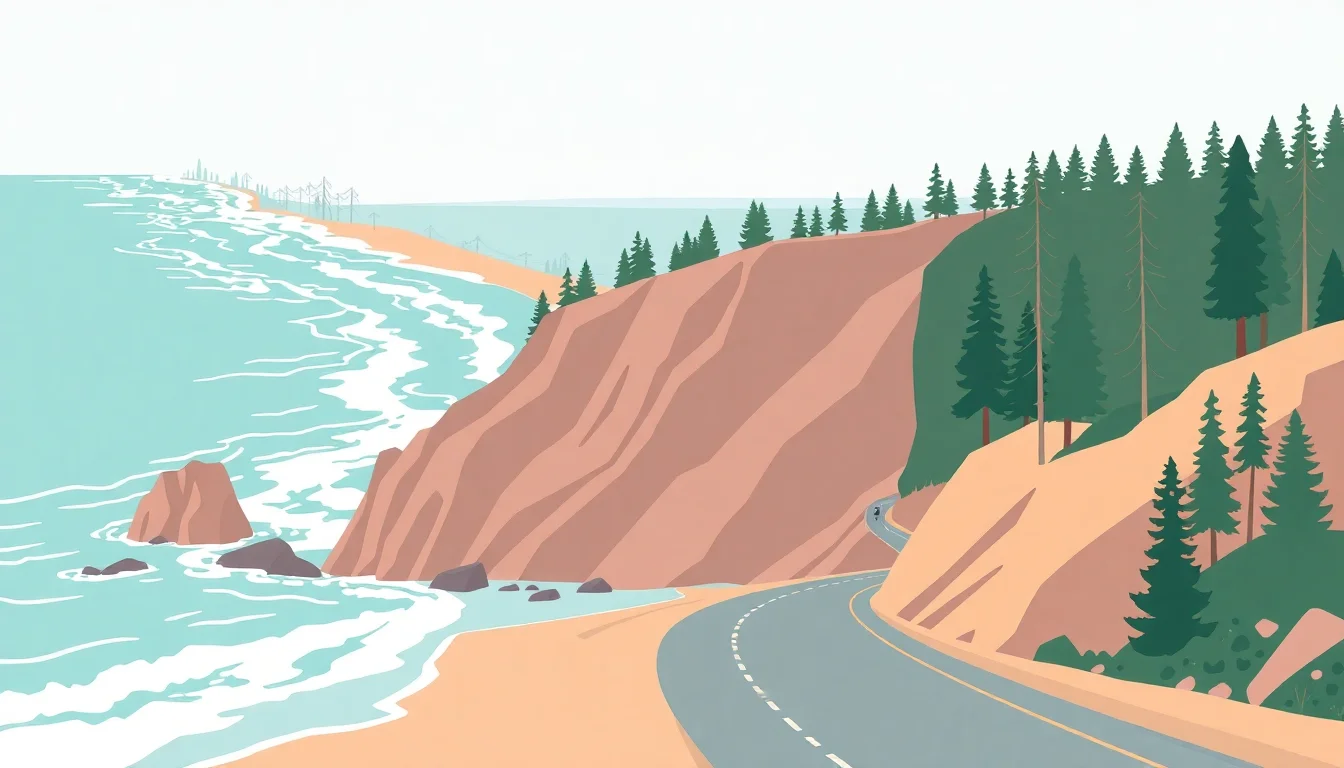
US Route 101 is more than just a highway; it's a 1,500-mile ribbon of asphalt that traces the Pacific coastline, connecting diverse ecosystems, vibrant cities, and iconic landmarks. Originating in Washington state and stretching south through Oregon and California, it offers a quintessential American road trip experience, from the misty Hoh Rainforest to the Golden Gate Bridge and the sun-baked beaches of San Diego. Engineers marvel at its construction through challenging terrain, while historians note its role in westward expansion and coastal development. For travelers, it's a direct line to breathtaking vistas, roadside attractions, and a palpable sense of the Pacific West's unique vibe. Its future, however, faces challenges from coastal erosion and the ever-present push for faster, more direct interstate travel.
🛣️ The Grand Tour: What is US 101?
US Route 101, affectionately known as the Pacific Coast Highway (PCH) in its most iconic stretches, is more than just asphalt and lane markers. It's a 1,500-mile ribbon of highway tracing the western edge of the United States, a vital artery connecting communities from the Mexican border to the Olympic Peninsula in Washington. Historically, it evolved from a patchwork of local roads, officially designated as US 101 in 1926, intended to create a continuous north-south route along the Pacific coast. This highway is the backbone for countless road trips, a conduit for commerce, and a scenic byway that defines the American West for many. Its very existence is a testament to the ambition of connecting a vast, rugged coastline, a feat of engineering and vision that continues to shape regional identity and tourism.
📍 Where Does This Beast Roam?
The southern terminus of US 101 is in Olympia, Washington, though its most famous segments are far to the south. It winds through Oregon, where it often merges with or runs parallel to the Oregon Coast Highway, and then plunges into California. In California, it splits and rejoins, with the most celebrated sections forming the California State Route 1 through Big Sur, a stretch so breathtaking it's practically a pilgrimage site. Major cities it bypasses or cuts through include Los Angeles, Santa Barbara, San Francisco, Eureka, Portland, and Seattle, making it a critical piece of regional transportation infrastructure. Understanding its path is key to planning any journey, as its character shifts dramatically from urban sprawl to windswept cliffs.
🚗 Who Should Be Driving This Road?
US Route 101 is for the adventurer, the photographer, the road-tripper seeking the quintessential American coastal experience. It's for those who value scenic vistas over speed, who want to feel the ocean breeze and smell the salt air. This highway is ideal for recreational vehicle travel, motorcycle tours, and leisurely drives where the journey is the destination. If your goal is to tick off miles as quickly as possible, this might not be your primary route, especially through its more dramatic sections. However, for anyone seeking to immerse themselves in the diverse landscapes and cultures of the Pacific coast, from redwood forests to urban hubs, US 101 is the definitive choice.
🌟 The Vibe Score: Cultural Resonance of US 101
The Vibe Score for US 101 hovers around an impressive 85/100, a testament to its enduring cultural cachet. It embodies a specific brand of American freedom and natural beauty, a romantic ideal often depicted in film and literature. The PCH segment, in particular, carries a Vibe Score of 92/100, fueled by its iconic status and association with counterculture movements and the golden age of Hollywood. This highway is a living museum of American road culture, a place where memories are made and stories are born. Its influence flows through countless travel blogs, Instagram feeds, and bucket lists, solidifying its place as a cultural touchstone. The tension lies between its romanticized image and the practical realities of traffic and development, a constant negotiation of its identity.
⚖️ US 101 vs. The World: Comparisons
Compared to its inland counterpart, Interstate 5, US 101 offers a vastly different experience. I-5 is the speed demon, the direct route for commerce and efficient travel, boasting a Vibe Score of perhaps 40/100 for its utilitarian nature. US 101, conversely, is the scenic artist, prioritizing views and local access, with its higher Vibe Score reflecting its aspirational qualities. While I-5 might connect you between major cities in record time, US 101 allows you to experience the places in between. It's the difference between flying over the Grand Canyon and driving its rim. Other coastal routes, like California State Route 1 south of San Luis Obispo, share some of US 101's scenic DNA but are often more limited in scope or more prone to closures.
💰 Tolls, Gas, and the Cost of the Dream
The cost of traversing US 101 is primarily driven by fuel and lodging. Gas prices along the coast can be significantly higher than inland, especially in remote areas or during peak tourist seasons. Expect to pay anywhere from $4.00 to $6.00+ per gallon, depending on the state and location. Tolls are generally minimal on US 101 itself, though you may encounter them on bridges or express lanes in urban areas, such as the Golden Gate Bridge if you venture onto connecting routes. Lodging ranges from budget-friendly motels ($100-$150/night) to luxury resorts ($300-$600+/night), with unique options like beachfront cabins or historic inns. Camping is also a popular and more affordable alternative, with state and national park campgrounds often costing $20-$50 per night.
🛠️ Engineering Marvels and Modern Woes
The engineering of US 101 is a story of adaptation. Early segments were often unpaved roads, prone to landslides and washouts. The construction of the Bixby Creek Bridge in 1932, a marvel of engineering for its time, symbolized the commitment to conquering the challenging Big Sur coastline. Today, the highway faces ongoing challenges: seismic retrofitting, coastal erosion threatening sections of the road, and the constant need for maintenance due to heavy traffic and diverse weather conditions. The debate over how to best preserve and protect these vulnerable coastal sections, especially in the face of climate change, is a critical ongoing discussion among transportation engineers and environmentalists. The tension between accessibility and preservation is palpable.
📈 The Future of the Pacific's Highway
The future of US 101 is intrinsically linked to the health of the Pacific coast and the evolving landscape of transportation. We'll likely see continued investment in infrastructure resilience, particularly in areas prone to landslides and sea-level rise. The integration of electric vehicle charging stations along the route will become increasingly important, catering to a growing segment of eco-conscious travelers. There's also a growing conversation about managing overtourism in its most popular spots, potentially leading to more regulated access or timed entry systems in places like Big Sur. The question isn't just if US 101 will change, but how it will adapt to remain a vital, inspiring, and accessible route for generations to come. Who wins in this adaptation—the preservationists or the developers—remains to be seen.
📞 Getting Started: Your US 101 Journey
To embark on your US 101 journey, the first step is to decide your starting and ending points. Are you aiming for the dramatic cliffs of Big Sur, the redwood forests of Northern California, or the rugged beauty of the Oregon coast? Once you have a general direction, consult detailed maps and guidebooks for specific segments. Websites like the National Park Service and state tourism boards offer invaluable resources for planning stops, attractions, and potential detours. For booking accommodations, platforms like Booking.com, Airbnb, and direct hotel websites are your best bet. Remember to check for any current road closures or advisories, especially during the rainy season or after significant weather events, via state Department of Transportation websites.
Key Facts
- Year
- 1926
- Origin
- Established as part of the original U.S. Numbered Highway System.
- Category
- Infrastructure & Transportation
- Type
- Road
Frequently Asked Questions
Is US 101 the same as the Pacific Coast Highway (PCH)?
Not entirely. While US 101 is a major north-south highway along the Pacific coast, the term 'Pacific Coast Highway' most famously refers to specific, highly scenic sections of California State Route 1, particularly through Big Sur. US 101 often runs inland or merges with other routes, but it does incorporate significant coastal stretches, especially in Oregon and Northern California. For the most iconic PCH experience, you'll primarily be on SR 1 in California.
What are the best times of year to drive US 101?
The shoulder seasons, spring (April-May) and fall (September-October), generally offer the best balance of good weather, fewer crowds, and reasonable prices. Summer (June-August) is peak season, meaning higher prices and more traffic, but also the warmest weather. Winter (November-March) can bring rain, fog, and potential road closures due to landslides, especially in Northern California and Oregon, but offers a dramatic, moody experience with the fewest tourists.
Are there significant tolls on US 101?
US Route 101 itself has very few tolls. The primary costs will be for gasoline and lodging. However, you may encounter tolls on bridges or express lanes when entering or exiting major metropolitan areas like Los Angeles, San Francisco, or Seattle, as these often connect to or utilize parts of the US 101 corridor. Always check local tolling information for specific urban areas.
What are the main attractions along US 101?
The attractions are incredibly diverse. In California, this includes the Golden Gate Bridge, Muir Woods National Monument, the redwood forests of Humboldt County, and the dramatic cliffs of Big Sur (primarily on SR 1). Oregon offers the Oregon Dunes, charming coastal towns like Cannon Beach, and the Tillamook Creamery. Washington features the Olympic National Park and the San Juan Islands (accessible via ferry from nearby ports).
Is US 101 suitable for motorcycles?
Absolutely. US 101 is a dream route for motorcyclists, offering stunning scenery, winding roads, and access to countless points of interest. The open road feel, especially outside of urban centers, is exhilarating. However, riders should be prepared for variable weather, including fog and wind, and exercise caution on sharp curves and in areas with potential debris from coastal storms.
How much time should I allocate for driving US 101?
This depends entirely on your goals. A direct drive from Olympia, WA to Los Angeles, CA (skipping most scenic detours) could theoretically be done in 2-3 days. However, to truly experience the highlights of the Oregon and California coasts, you should allocate at least 7-14 days. For a comprehensive exploration including national parks and significant detours, 3-4 weeks would be more appropriate. Rushing US 101 defeats its purpose.