
Contents
- 📚 Introduction to Transport Layer Security (TLS)
- 🔒 History of TLS: From SSL to TLS 1.3
- 📊 How TLS Works: Encryption and Authentication
- 🔍 TLS Handshake: Establishing a Secure Connection
- 🚫 TLS Vulnerabilities: Attacks and Countermeasures
- 📈 TLS Performance: Optimization and Best Practices
- 🔑 TLS Certificates: Issuance, Validation, and Revocation
- 🤝 TLS Implementations: OpenSSL, GnuTLS, and More
- 🚀 Future of TLS: Emerging Trends and Technologies
- 📊 TLS Deployment: Challenges and Considerations
- 📝 Conclusion: The Importance of TLS in Computer Networking
- Frequently Asked Questions
- Related Topics
Overview
Transport Layer Security (TLS) is the cornerstone of secure online communication, with a vibe score of 8 out of 10, reflecting its widespread adoption and critical role in protecting data in transit. Developed from the Secure Sockets Layer (SSL) protocol, TLS has become the de facto standard for encrypting data between web servers and clients. The protocol has undergone several revisions, with TLS 1.3 being the latest version, offering enhanced security and performance. Despite its importance, TLS is not without controversy, with debates surrounding its complexity, compatibility issues, and the potential for vulnerabilities. With over 90% of websites using TLS, its influence on online security is undeniable. As the internet continues to evolve, the future of TLS will be shaped by emerging technologies like quantum computing and the Internet of Things (IoT), with key players like Google, Mozilla, and the Internet Engineering Task Force (IETF) driving its development.
📚 Introduction to Transport Layer Security (TLS)
The Transport Layer Security (TLS) protocol is a crucial component of computer networking, providing secure communication between web browsers and servers. As explained in TLS Protocol, TLS is an evolution of the Secure Sockets Layer (SSL) protocol, developed by Netscape in the mid-1990s. Today, TLS is widely used to secure online transactions, email, and instant messaging. For more information on the history of TLS, see History of TLS. The latest version of the protocol, TLS 1.3, offers improved security and performance. To learn more about the basics of computer networking, visit Computer Networking.
🔒 History of TLS: From SSL to TLS 1.3
The history of TLS is closely tied to the development of the Secure Sockets Layer (SSL) protocol. As described in SSL Protocol, SSL was first introduced by Netscape in 1994. Over the years, SSL evolved into TLS, with the first version of the protocol (TLS 1.0) being published in 1999. Since then, several versions of TLS have been released, including TLS 1.1, TLS 1.2, and the latest version, TLS 1.3. For more information on the differences between SSL and TLS, see SSL vs TLS. The development of TLS has been influenced by various organizations, including the IETF.
📊 How TLS Works: Encryption and Authentication
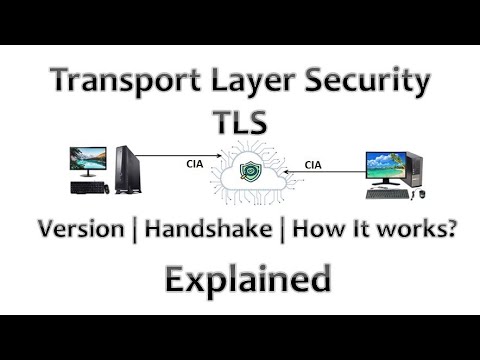
So, how does TLS work? In essence, TLS provides end-to-end encryption for data transmitted between a web browser and a server. As explained in Encryption, TLS uses a combination of symmetric and asymmetric encryption algorithms to secure data. The protocol also provides authentication, ensuring that the identity of the server is verified. To learn more about the basics of encryption, visit Cryptography. The TLS protocol is typically implemented using a TLS Library, such as OpenSSL. For more information on the technical details of TLS, see TLS Technical Overview.
🔍 TLS Handshake: Establishing a Secure Connection
The TLS handshake is a critical component of the protocol, establishing a secure connection between a web browser and a server. As described in TLS Handshake, the handshake involves a series of steps, including the exchange of cryptographic parameters and the verification of the server's identity. The handshake is typically performed using a TLS Client, such as a web browser. For more information on the TLS handshake, see TLS Handshake Details. The handshake is also influenced by the Certificate Authority used to issue the server's certificate. To learn more about certificate authorities, visit Certificate Authority.
🚫 TLS Vulnerabilities: Attacks and Countermeasures
Despite its importance, TLS is not without its vulnerabilities. As explained in TLS Vulnerabilities, several attacks have been discovered over the years, including the Heartbleed and Logjam attacks. To mitigate these vulnerabilities, it is essential to keep TLS implementations up to date and to use secure cryptographic parameters. For more information on TLS vulnerabilities, see TLS Vulnerability List. The OpenSSL library is a popular implementation of TLS, but it has been affected by several vulnerabilities in the past. To learn more about OpenSSL, visit OpenSSL.
📈 TLS Performance: Optimization and Best Practices
TLS performance is a critical consideration, as it can impact the user experience and the overall security of the protocol. As described in TLS Performance, several techniques can be used to optimize TLS performance, including the use of TLS Session Resumption and TLS False Start. For more information on TLS performance optimization, see TLS Performance Optimization. The TLS 1.3 protocol offers improved performance compared to earlier versions of the protocol. To learn more about the benefits of TLS 1.3, visit TLS 1.3 Benefits.
🔑 TLS Certificates: Issuance, Validation, and Revocation
TLS certificates are an essential component of the protocol, providing authentication and verification of the server's identity. As explained in TLS Certificates, certificates are issued by a Certificate Authority and typically contain the server's public key and identity information. For more information on TLS certificates, see TLS Certificate Format. The Let's Encrypt initiative provides free TLS certificates to websites, promoting the adoption of HTTPS. To learn more about Let's Encrypt, visit Let's Encrypt.
🤝 TLS Implementations: OpenSSL, GnuTLS, and More
Several TLS implementations are available, including OpenSSL and GnuTLS. As described in TLS Implementations, each implementation has its strengths and weaknesses, and the choice of implementation depends on the specific use case and requirements. For more information on TLS implementations, see TLS Implementation Comparison. The OpenSSL library is widely used, but it has been criticized for its complexity and vulnerability to attacks. To learn more about OpenSSL, visit OpenSSL.
🚀 Future of TLS: Emerging Trends and Technologies
The future of TLS is exciting, with several emerging trends and technologies on the horizon. As explained in TLS Future, the development of Quantum-Resistant Cryptography and the adoption of TLS 1.3 are expected to shape the future of the protocol. For more information on the future of TLS, see TLS Future Trends. The IETF is actively working on the development of new TLS standards and protocols. To learn more about the IETF, visit IETF.
📊 TLS Deployment: Challenges and Considerations
Deploying TLS can be challenging, requiring careful consideration of several factors, including the choice of implementation, certificate management, and performance optimization. As described in TLS Deployment, several best practices can be followed to ensure successful deployment, including the use of TLS Configuration Tools and the monitoring of TLS Logs. For more information on TLS deployment, see TLS Deployment Guidelines. The OpenSSL library provides a range of tools and features to support TLS deployment. To learn more about OpenSSL, visit OpenSSL.
📝 Conclusion: The Importance of TLS in Computer Networking
In conclusion, TLS is a critical component of computer networking, providing secure communication between web browsers and servers. As explained in TLS Importance, the protocol has evolved over the years, with several versions and implementations available. For more information on the importance of TLS, see TLS Importance in Computer Networking. The TLS 1.3 protocol offers improved security and performance, and its adoption is expected to increase in the coming years. To learn more about the benefits of TLS 1.3, visit TLS 1.3 Benefits.
Key Facts
- Year
- 1996
- Origin
- Netscape Communications
- Category
- Computer Networking
- Type
- Protocol
Frequently Asked Questions
What is the difference between SSL and TLS?
SSL (Secure Sockets Layer) and TLS (Transport Layer Security) are both cryptographic protocols used to secure online communications. However, TLS is an evolution of SSL and is considered more secure. For more information, see SSL vs TLS.
How does TLS work?
TLS provides end-to-end encryption for data transmitted between a web browser and a server. It uses a combination of symmetric and asymmetric encryption algorithms to secure data. For more information, see TLS Technical Overview.
What is the TLS handshake?
The TLS handshake is a series of steps that establish a secure connection between a web browser and a server. It involves the exchange of cryptographic parameters and the verification of the server's identity. For more information, see TLS Handshake.
What are some common TLS vulnerabilities?
Several vulnerabilities have been discovered in TLS, including the Heartbleed and Logjam attacks. To mitigate these vulnerabilities, it is essential to keep TLS implementations up to date and to use secure cryptographic parameters. For more information, see TLS Vulnerability List.
How can I optimize TLS performance?
Several techniques can be used to optimize TLS performance, including the use of TLS session resumption and TLS false start. For more information, see TLS Performance Optimization.
What is the future of TLS?
The future of TLS is exciting, with several emerging trends and technologies on the horizon. The development of quantum-resistant cryptography and the adoption of TLS 1.3 are expected to shape the future of the protocol. For more information, see TLS Future Trends.
How can I deploy TLS successfully?
Deploying TLS requires careful consideration of several factors, including the choice of implementation, certificate management, and performance optimization. Several best practices can be followed to ensure successful deployment, including the use of TLS configuration tools and the monitoring of TLS logs. For more information, see TLS Deployment Guidelines.