
Contents
- 📚 Introduction to The Lion, the Witch and the Wardrobe
- 👑 The Chronicles of Narnia Series
- 📖 Publication and Illustration
- 📚 Writing and Inspiration
- 👧 Main Characters and Plot
- 🏰 World-Building in Narnia
- 📊 Reception and Impact
- 📚 Themes and Symbolism
- 👥 Adaptations and Interpretations
- 📚 Legacy and Cultural Significance
- 📊 Controversy and Criticism
- Frequently Asked Questions
- Related Topics
Overview
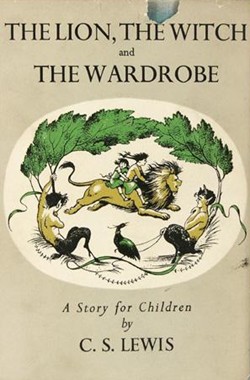
The Lion, the Witch and the Wardrobe, written by C. S. Lewis, is a portal fantasy novel that has captivated readers of all ages. Published in 1950 by Geoffrey Bles, it is the first and most well-known book in The Chronicles of Narnia series. The novel has been widely acclaimed for its richly imagined world, memorable characters, and thought-provoking themes. As the most widely held book in libraries among all of Lewis' works, it is a testament to the enduring power of fantasy literature. The story follows the journey of four siblings who find a magical land called Narnia, where they encounter talking animals, witches, and a lion named Aslan. The novel explores complex themes such as sacrifice, redemption, and the struggle between good and evil, making it a compelling read for both children and adults. The series has been illustrated by Pauline Baynes, whose work has been retained in many later editions, adding to the enchantment of the story.
👑 The Chronicles of Narnia Series
The Chronicles of Narnia series, which includes Prince Caspian, The Voyage of the Dawn Treader, and The Silver Chair, among others, is a collection of seven fantasy novels that follow the magical land of Narnia. The series has been widely praised for its imaginative storytelling, well-developed characters, and exploration of complex themes. While The Lion, the Witch and the Wardrobe is the first published book in the series, it is marked as volume two in recent editions that are sequenced according to the stories' internal chronology. This has led to some confusion among readers, but it has not diminished the book's popularity. The series has been translated into more than 47 languages and has sold over 85 million copies worldwide, making it one of the best-selling series of all time. The series has also been adapted into various forms of media, including movies, plays, and television shows, introducing the magical world of Narnia to new generations of fans. The impact of the series can be seen in many other works of fantasy literature, including the popular Harry Potter series.
📖 Publication and Illustration
The publication of The Lion, the Witch and the Wardrobe in 1950 marked the beginning of a new era in fantasy literature. The book was illustrated by Pauline Baynes, whose beautiful and imaginative drawings have become an integral part of the story. The book's success can be attributed to the combination of Lewis' engaging storytelling and Baynes' enchanting illustrations. The book has been re-published in many editions, including deluxe editions with additional illustrations and commentary. The book's publication has also led to the creation of various spin-offs, including movies, plays, and video games, which have helped to introduce the story to new audiences. The book's impact on popular culture is undeniable, with references to the story appearing in everything from music to film. The book's themes and characters have also been studied in academic circles, with many scholars analyzing the story's use of allegory and symbolism.
📚 Writing and Inspiration
C. S. Lewis' writing process for The Lion, the Witch and the Wardrobe was influenced by his love of mythology and folklore. Lewis was a professor of medieval and Renaissance literature at Oxford University and was familiar with the works of J.R.R. Tolkien, who was also a professor at Oxford. The two authors often discussed their writing and shared their ideas with each other. Lewis' inspiration for the story came from his childhood imagination and his love of fantasy stories. He also drew inspiration from his experiences in World War I and his conversion to Christianity. The story's themes of sacrifice, redemption, and the struggle between good and evil are reflective of Lewis' own spiritual journey. The book's use of allegory and symbolism has been widely praised, with many scholars analyzing the story's use of these literary devices. The book's exploration of complex themes has made it a compelling read for both children and adults, and its impact on fantasy literature is undeniable.
👧 Main Characters and Plot
The main characters in The Lion, the Witch and the Wardrobe are the four Pevensie siblings: Peter, Susan, Edmund, and Lucy. Each character has their own unique personality and plays an important role in the story. The siblings find a magical land called Narnia, where they encounter talking animals, witches, and a lion named Aslan. The story follows their journey as they navigate this new world and battle against the evil White Witch. The characters' development throughout the story is a key aspect of the novel, as they learn valuable lessons about courage, sacrifice, and the importance of working together. The story's use of character development has been widely praised, with many scholars analyzing the characters' growth and development throughout the story. The book's exploration of complex themes has made it a compelling read for both children and adults, and its impact on fantasy literature is undeniable. The story's use of morality and ethics has also been widely praised, with many scholars analyzing the story's use of these themes.
🏰 World-Building in Narnia
The world of Narnia is a central aspect of The Lion, the Witch and the Wardrobe. The story takes place in a magical land filled with talking animals, witches, and mythical creatures. The world of Narnia is richly imagined, with its own geography, history, and mythology. The story's use of world-building has been widely praised, with many scholars analyzing the story's use of this literary device. The world of Narnia is also home to a variety of magical creatures, including centaurs, fauns, and dryads. The story's use of mythology and folklore has also been widely praised, with many scholars analyzing the story's use of these themes. The book's exploration of complex themes has made it a compelling read for both children and adults, and its impact on fantasy literature is undeniable. The story's use of symbolism has also been widely praised, with many scholars analyzing the story's use of this literary device. The world of Narnia has become a cultural phenomenon, with many fans creating their own art, fiction, and music inspired by the story.
📊 Reception and Impact
The reception of The Lion, the Witch and the Wardrobe has been overwhelmingly positive. The book has been praised for its imaginative storytelling, well-developed characters, and exploration of complex themes. The book has won numerous awards, including the Carnegie Medal and the Hugo Award. The book has also been translated into more than 47 languages and has sold over 85 million copies worldwide, making it one of the best-selling books of all time. The book's impact on popular culture is undeniable, with references to the story appearing in everything from music to film. The book's themes and characters have also been studied in academic circles, with many scholars analyzing the story's use of allegory and symbolism. The book's exploration of complex themes has made it a compelling read for both children and adults, and its impact on fantasy literature is undeniable. The book's use of morality and ethics has also been widely praised, with many scholars analyzing the story's use of these themes.
📚 Themes and Symbolism
The themes of The Lion, the Witch and the Wardrobe are complex and multi-layered. The story explores themes of sacrifice, redemption, and the struggle between good and evil. The story also explores the idea of morality and ethics, with the characters facing difficult choices and learning valuable lessons about right and wrong. The story's use of allegory and symbolism has been widely praised, with many scholars analyzing the story's use of these literary devices. The book's exploration of complex themes has made it a compelling read for both children and adults, and its impact on fantasy literature is undeniable. The story's use of mythology and folklore has also been widely praised, with many scholars analyzing the story's use of these themes. The book's themes have been interpreted in many ways, with some seeing it as a Christian allegory and others seeing it as a commentary on the human condition. The book's use of philosophy has also been widely praised, with many scholars analyzing the story's use of philosophical themes.
👥 Adaptations and Interpretations
The Lion, the Witch and the Wardrobe has been adapted into various forms of media, including movies, plays, and television shows. The most recent adaptation was the 2005 film directed by Andrew Adamson, which starred Tilda Swinton as the White Witch and Liam Neeson as the voice of Aslan. The film was a commercial success and received positive reviews from critics. The story has also been adapted into a stage play, which has been performed in numerous countries around the world. The book's themes and characters have also been interpreted in many ways, with some seeing it as a Christian allegory and others seeing it as a commentary on the human condition. The book's use of allegory and symbolism has been widely praised, with many scholars analyzing the story's use of these literary devices. The story's use of mythology and folklore has also been widely praised, with many scholars analyzing the story's use of these themes.
📚 Legacy and Cultural Significance
The legacy of The Lion, the Witch and the Wardrobe is undeniable. The book has had a profound impact on fantasy literature and has inspired countless authors, including J.K. Rowling and Neil Gaiman. The book's themes and characters have also been studied in academic circles, with many scholars analyzing the story's use of allegory and symbolism. The book's exploration of complex themes has made it a compelling read for both children and adults, and its impact on popular culture is undeniable. The book's use of morality and ethics has also been widely praised, with many scholars analyzing the story's use of these themes. The book's legacy continues to grow, with new adaptations and interpretations being created all the time. The book's impact on fantasy literature is undeniable, and it remains one of the most beloved and enduring stories of all time.
📊 Controversy and Criticism
Despite its widespread popularity, The Lion, the Witch and the Wardrobe has not been without controversy. Some critics have accused the book of being too Christian, with the story's themes and characters being seen as promoting a particular religious agenda. Others have criticized the book's depiction of women, with some characters being seen as weak and submissive. The book's use of allegory and symbolism has also been criticized, with some seeing it as too simplistic or heavy-handed. However, the book's exploration of complex themes has made it a compelling read for both children and adults, and its impact on fantasy literature is undeniable. The book's use of morality and ethics has also been widely praised, with many scholars analyzing the story's use of these themes. The controversy surrounding the book has not diminished its popularity, and it remains one of the most beloved and enduring stories of all time.
Key Facts
- Year
- 1950
- Origin
- United Kingdom
- Category
- Literature
- Type
- Book
Frequently Asked Questions
What is the main theme of The Lion, the Witch and the Wardrobe?
The main theme of The Lion, the Witch and the Wardrobe is the struggle between good and evil, with the story exploring complex themes such as sacrifice, redemption, and morality. The story is a classic tale of good vs. evil, with the characters facing difficult choices and learning valuable lessons about right and wrong. The book's use of allegory and symbolism has been widely praised, with many scholars analyzing the story's use of these literary devices. The story's exploration of complex themes has made it a compelling read for both children and adults, and its impact on fantasy literature is undeniable.
Who is the main character in The Lion, the Witch and the Wardrobe?
The main characters in The Lion, the Witch and the Wardrobe are the four Pevensie siblings: Peter, Susan, Edmund, and Lucy. Each character has their own unique personality and plays an important role in the story. The story follows their journey as they navigate the magical land of Narnia and battle against the evil White Witch. The characters' development throughout the story is a key aspect of the novel, as they learn valuable lessons about courage, sacrifice, and the importance of working together.
What is the significance of the lion Aslan in The Lion, the Witch and the Wardrobe?
The lion Aslan is a central character in The Lion, the Witch and the Wardrobe and plays a significant role in the story. Aslan is a symbol of goodness, wisdom, and redemption, and is often seen as a representation of Jesus Christ. The character of Aslan has been widely praised, with many scholars analyzing the character's use of allegory and symbolism. The character's development throughout the story is a key aspect of the novel, as he guides the Pevensie siblings on their journey and helps them to overcome the challenges they face.
What is the controversy surrounding The Lion, the Witch and the Wardrobe?
The Lion, the Witch and the Wardrobe has been the subject of controversy over the years, with some critics accusing the book of being too Christian and promoting a particular religious agenda. Others have criticized the book's depiction of women, with some characters being seen as weak and submissive. However, the book's exploration of complex themes has made it a compelling read for both children and adults, and its impact on fantasy literature is undeniable. The controversy surrounding the book has not diminished its popularity, and it remains one of the most beloved and enduring stories of all time.
What is the impact of The Lion, the Witch and the Wardrobe on fantasy literature?
The Lion, the Witch and the Wardrobe has had a profound impact on fantasy literature, inspiring countless authors and shaping the genre as a whole. The book's use of allegory and symbolism has been widely praised, with many scholars analyzing the story's use of these literary devices. The book's exploration of complex themes has made it a compelling read for both children and adults, and its impact on popular culture is undeniable. The book's legacy continues to grow, with new adaptations and interpretations being created all the time.
What is the significance of the White Witch in The Lion, the Witch and the Wardrobe?
The White Witch is the main antagonist in The Lion, the Witch and the Wardrobe and plays a significant role in the story. The White Witch is a symbol of evil, tyranny, and oppression, and is often seen as a representation of Satan. The character of the White Witch has been widely praised, with many scholars analyzing the character's use of allegory and symbolism. The character's development throughout the story is a key aspect of the novel, as she seeks to maintain her power and control over the land of Narnia.
What is the relationship between The Lion, the Witch and the Wardrobe and Christianity?
The Lion, the Witch and the Wardrobe has been widely interpreted as a Christian allegory, with the story's themes and characters being seen as promoting a particular religious agenda. The character of Aslan is often seen as a representation of Jesus Christ, and the story's use of allegory and symbolism has been widely praised. However, the book's exploration of complex themes has made it a compelling read for both children and adults, and its impact on fantasy literature is undeniable. The book's use of morality and ethics has also been widely praised, with many scholars analyzing the story's use of these themes.