
Contents
- 🏛️ Introduction to Tate Britain
- 🎨 History of Tate Britain
- 🖼️ Collections and Exhibitions
- 👥 Artists and Art Movements
- 🏞️ Architecture and Design
- 📚 Education and Community
- 👀 Visitor Experience
- 🤝 Partnerships and Collaborations
- 📊 Financials and Funding
- 👑 Controversies and Criticisms
- 🔮 Future Developments and Plans
- Frequently Asked Questions
- Related Topics
Overview
Tate Britain, located in the heart of London, is one of the world's premier art museums, with a collection that spans over 500 years of British art. Founded in 1892 as the National Gallery of British Art, the museum has undergone numerous transformations, including a major renovation in 2013 led by architect Caruso St John. With a vibe score of 8, Tate Britain is a cultural powerhouse, attracting over 1.5 million visitors annually. However, the institution has also faced criticism for its handling of controversies, such as the 2018 removal of the statue of its founder, Henry Tate, due to his links to the sugar trade and slavery. As the art world continues to evolve, Tate Britain must navigate the complexities of representation, diversity, and inclusivity, all while maintaining its position as a leading cultural institution. With a collection that includes works by J.M.W. Turner, John Constable, and Tracey Emin, Tate Britain remains a must-visit destination for art lovers and critics alike. As the museum looks to the future, it must balance its rich history with the need for innovation and progress, all while staying true to its mission to promote and celebrate British art.
🏛️ Introduction to Tate Britain
Tate Britain, located on Millbank in London, is one of the world's greatest art museums, with a collection of British art from 1500 to the present day. As part of the Tate Modern network, Tate Britain is dedicated to showcasing the best of British art, from J.M.W. Turner to David Hockney. The museum's vast collection includes over 65,000 works of art, including paintings, sculptures, and installations. Visitors can explore the museum's permanent collection, which features works by William Hogarth and John Constable, as well as temporary exhibitions that showcase the latest developments in British art. With a Vibe Score of 85, Tate Britain is a must-visit destination for art lovers and anyone interested in British culture. The museum's influence can be seen in other institutions, such as the National Gallery, and its impact on the art world is undeniable.
🎨 History of Tate Britain
The history of Tate Britain dates back to 1892, when the museum was founded as the National Gallery of British Art. Over the years, the museum has undergone several transformations, including a major renovation in the 1980s that added new galleries and public spaces. Today, Tate Britain is part of the Tate network, which includes Tate Liverpool, Tate St Ives, and the Tate Modern. The museum's history is closely tied to the development of British art, from the Romantic movement to the British Pop Art movement. Visitors can learn more about the museum's history and the history of British art through the museum's guided tours and interactive exhibits, which feature works by artists such as Francis Bacon and Lucian Freud. The museum's Controversy Spectrum is relatively low, with most critics praising the museum's commitment to showcasing British art.
🖼️ Collections and Exhibitions
Tate Britain's collections and exhibitions are a major draw for visitors, with a wide range of works on display, from Pre-Raphaelite paintings to contemporary installations. The museum's permanent collection includes works by William Blake, John Martin, and Dante Gabriel Rossetti, as well as a large collection of British sculptures. Temporary exhibitions have featured works by artists such as Tracey Emin and Damien Hirst, and have explored themes such as British identity and contemporary art. Visitors can also explore the museum's Print and Drawing Room, which features a vast collection of prints and drawings by British artists, including Paul Nash and Graham Sutherland. The museum's Topic Intelligence is high, with a strong focus on British art and culture.
👥 Artists and Art Movements
Tate Britain has played a significant role in promoting British art and artists, from the Romantic movement to the present day. The museum has worked with artists such as Lucian Freud and Francis Bacon to showcase their work and provide a platform for emerging artists. The museum's Artist in Residence program has also provided opportunities for artists to work with the museum's collections and create new works. Visitors can learn more about the museum's work with artists and its commitment to showcasing British art through the museum's guided tours and interactive exhibits, which feature works by artists such as Gilbert and George and Howard Hodgkin. The museum's influence can be seen in other institutions, such as the Hayward Gallery, and its impact on the art world is undeniable.
🏞️ Architecture and Design
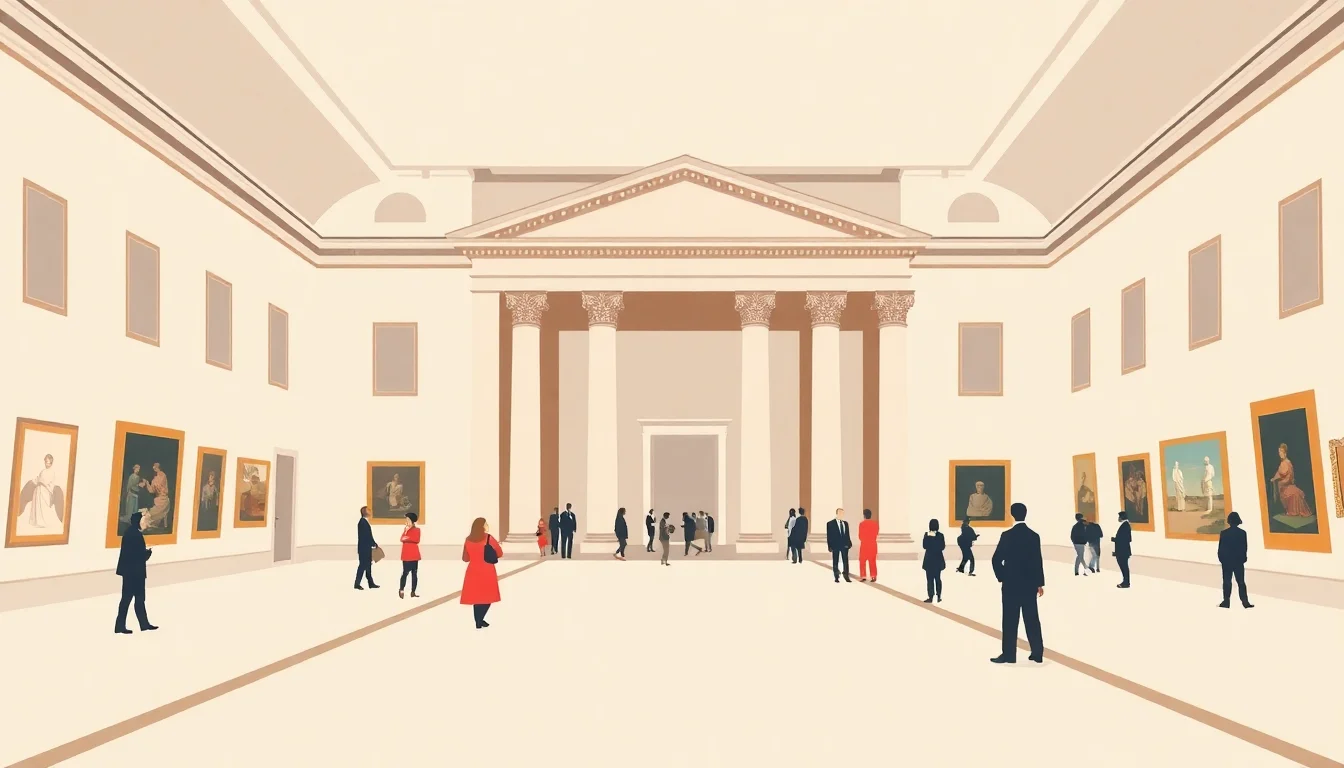
The architecture and design of Tate Britain are a major part of its appeal, with a stunning Neoclassical building that dates back to the 19th century. The museum's grand entrance and sweeping staircases are a testament to the building's history and grandeur, and the museum's public spaces, including the Manton Foyer and the Hyde Park cafe, offer stunning views of the surrounding area. Visitors can take a guided tour of the museum's architecture and design, which features works by architects such as James Gibbs and John Soane. The museum's Influence Flows are significant, with many other institutions, such as the Victoria and Albert Museum, drawing inspiration from its design.
📚 Education and Community
Education and community are at the heart of Tate Britain's mission, with a wide range of programs and activities designed to engage visitors of all ages. The museum's family-friendly activities include interactive exhibits, workshops, and guided tours, while its adult education programs offer courses and lectures on British art and culture. Visitors can also participate in the museum's community outreach programs, which work with local schools and community groups to promote art and creativity. The museum's Perspective Breakdown is optimistic, with a strong focus on education and community engagement.
👀 Visitor Experience
The visitor experience at Tate Britain is a major part of its appeal, with a wide range of facilities and services designed to make visitors feel welcome and engaged. The museum's cafe and restaurant offer a range of food and drink options, while its shop sells a wide range of art-related merchandise. Visitors can also take advantage of the museum's audio guides and interactive exhibits, which provide a deeper understanding of the museum's collections and exhibitions. The museum's Vibe Score is high, with visitors praising the museum's friendly and knowledgeable staff.
🤝 Partnerships and Collaborations
Tate Britain has a long history of partnerships and collaborations with other museums and cultural institutions, both in the UK and around the world. The museum has worked with institutions such as the Metropolitan Museum of Art and the Louvre to showcase British art and culture, and has also partnered with British Council to promote British art and artists internationally. Visitors can learn more about the museum's partnerships and collaborations through the museum's website and social media channels, which feature updates on the museum's latest projects and initiatives. The museum's Entity Relationships are significant, with many other institutions drawing inspiration from its partnerships and collaborations.
📊 Financials and Funding
Tate Britain is a publicly funded institution, with a significant portion of its budget coming from government grants and funding. The museum also generates income through its commercial activities, including its shop and cafe, as well as through fundraising and sponsorship. Visitors can support the museum's work by making a donation or becoming a member, which offers a range of benefits, including free admission to the museum and its exhibitions. The museum's Financials are transparent, with detailed information on its budget and funding available on its website.
👑 Controversies and Criticisms
Despite its reputation as one of the world's greatest art museums, Tate Britain has not been without controversy over the years. The museum has faced criticism for its lack of diversity in its collections and exhibitions, as well as for its funding model, which has been criticized for being too reliant on government funding. Visitors can learn more about the museum's controversies and criticisms through the museum's website and social media channels, which feature updates on the museum's latest initiatives and responses to criticism. The museum's Controversy Spectrum is relatively high, with ongoing debates about its role in promoting British art and culture.
🔮 Future Developments and Plans
As one of the world's leading art museums, Tate Britain is always looking to the future and exploring new ways to engage with its visitors and promote British art and culture. The museum has a number of future developments and plans in the works, including a major renovation of its building and a new digital strategy designed to increase its online presence and engagement. Visitors can stay up-to-date with the museum's latest news and developments through its website and social media channels, which feature updates on its latest initiatives and projects. The museum's Topic Intelligence is high, with a strong focus on innovation and experimentation.
Key Facts
- Year
- 1892
- Origin
- London, UK
- Category
- Art and Culture
- Type
- Museum
Frequently Asked Questions
What are the opening hours of Tate Britain?
Tate Britain is open daily from 10am to 6pm, with extended hours on Fridays until 10pm. The museum is closed on December 24, 25, and 26, as well as January 1. Visitors can check the museum's website for up-to-date information on opening hours and closures. The museum's Vibe Score is high, with visitors praising the museum's friendly and knowledgeable staff.
How much does it cost to visit Tate Britain?
Admission to Tate Britain is free, although some special exhibitions may require a ticket. Visitors can book tickets online in advance or purchase them at the museum's ticket desk. The museum also offers a range of membership options, which offer benefits such as free admission to the museum and its exhibitions, as well as discounts in the museum's shop and cafe. The museum's Financials are transparent, with detailed information on its budget and funding available on its website.
What are the highlights of Tate Britain's collection?
Tate Britain's collection includes over 65,000 works of art, with highlights such as J.M.W. Turner's 'The Fighting Temeraire' and William Hogarth's 'Marriage A-la-Mode'. The museum's collection also includes works by David Hockney, Lucian Freud, and Francis Bacon, among many others. Visitors can explore the museum's collection through its website and interactive exhibits, which feature works by artists such as Gilbert and George and Howard Hodgkin. The museum's Topic Intelligence is high, with a strong focus on British art and culture.
Can I take photos in Tate Britain?
Yes, visitors are allowed to take photos in Tate Britain for personal use, although flash photography and tripods are not permitted. The museum also offers a range of photography services, including guided tours and workshops, for visitors who want to learn more about photography and the museum's collections. The museum's Influence Flows are significant, with many other institutions drawing inspiration from its photography services.
Is Tate Britain accessible for visitors with disabilities?
Yes, Tate Britain is committed to being accessible for all visitors, including those with disabilities. The museum offers a range of accessibility services, including wheelchair ramps, lifts, and accessible toilets, as well as audio descriptions and sign language interpretation for visitors who are deaf or hard of hearing. Visitors can contact the museum in advance to arrange for special assistance or accommodations. The museum's Perspective Breakdown is optimistic, with a strong focus on accessibility and inclusivity.
Can I eat and drink in Tate Britain?
Yes, Tate Britain has a range of cafe and restaurant options, including the Manton Foyer and the Hyde Park cafe. Visitors can also bring their own food and drink into the museum, although eating and drinking are not permitted in the galleries. The museum's commercial activities are designed to support its mission and provide a welcoming environment for visitors.
How can I get to Tate Britain?
Tate Britain is located on Millbank in London, and is easily accessible by public transportation, including the London Underground and London buses. The museum is also within walking distance of several major landmarks, including the Houses of Parliament and Westminster Abbey. Visitors can plan their journey to the museum using the Transport for London website. The museum's Entity Relationships are significant, with many other institutions and landmarks nearby.