
Contents
Overview
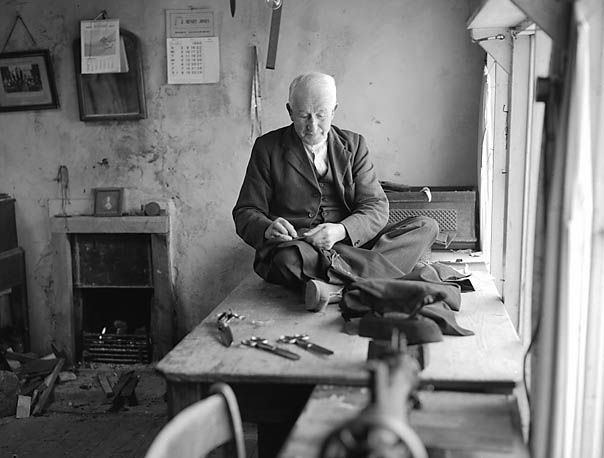
Tailoring is the craft of constructing, altering, and fitting garments, primarily structured clothing like suits, coats, and trousers, to a precise individual fit. Originating in the 13th century, it evolved from basic sewing into a sophisticated trade demanding intricate knowledge of fabric, pattern drafting, and human anatomy. A tailor's work can range from creating bespoke garments from scratch to expertly altering ready-to-wear items, ensuring a perfect silhouette and enhanced comfort. This practice is fundamental to formal wear and high fashion, embodying a commitment to quality, longevity, and personal expression, distinguishing it from mass-produced apparel. The modern tailoring industry grapples with the rise of fast fashion while simultaneously experiencing a resurgence in demand for custom-made, sustainable clothing.
🎵 Origins & History
Early tailors were essential artisans, primarily serving the needs of men for durable and well-fitting clothing, especially as societal structures and formal attire became more defined. The guild system played a crucial role in standardizing techniques and ensuring quality, with apprenticeships lasting years to master the trade. Savile Row in London remains an iconic hub, housing numerous historic tailoring houses like Huntsman and Henry Poole & Co..
⚙️ How It Works
At its core, tailoring involves a multi-step process beginning with precise measurements of the client's body. These measurements inform the creation of a unique paper pattern, a blueprint for the garment, which is then meticulously cut from chosen fabrics like wool, cashmere, or silk. The fabric pieces are assembled using specialized sewing techniques, including hand-stitching for critical areas like lapels and linings, and machine stitching for structural seams. Key elements like canvassing, padding, and interlining are incorporated to give the garment its shape and structure, a process distinct from simpler garment assembly. Finally, multiple fittings are conducted to adjust the garment, ensuring a flawless drape and fit that conforms perfectly to the wearer's physique, a hallmark of true tailoring.
📊 Key Facts & Numbers
The global menswear market exceeds $600 billion annually. The average cost of a high-quality off-the-rack suit might be between $500 and $2,000. Alterations, a key part of tailoring, can add 10-30% to the cost of a new garment.
👥 Key People & Organizations
While tailoring is a craft practiced by countless individuals, certain figures and institutions have shaped its modern landscape. Freddie Burman, a prominent tailor known for his work with celebrities and royalty, represents contemporary bespoke artistry. In the United States, figures like Chesterfield Tailors have maintained traditional practices. Beyond individual tailors, organizations like the Merchant Taylors' Company in London, one of the ancient livery companies, have historically overseen and promoted the craft, preserving its heritage and standards through apprenticeships and educational programs.
🌍 Cultural Impact & Influence
Tailoring has profoundly influenced Western fashion, particularly men's formal wear, establishing the suit as a global sartorial standard. The silhouette and construction techniques developed by tailors have permeated casual wear and even women's fashion, with designers like Coco Chanel famously adapting tailoring principles for her iconic tweed suits. The concept of a 'perfect fit' and the appreciation for quality craftsmanship, as embodied by tailoring, have also influenced consumer expectations across various product categories. The enduring appeal of tailored garments speaks to a desire for individuality, sophistication, and durability, contrasting sharply with the disposable nature of fast fashion, a trend championed by brands like Shein.
⚡ Current State & Latest Developments
In the current fashion climate, tailoring is experiencing a dual trajectory. On one hand, the demand for custom-made, high-quality garments is seeing a resurgence, driven by a growing awareness of sustainability and a desire for unique personal style, with online platforms like Proper Cloth facilitating custom shirt and suit ordering. On the other hand, the dominance of fast fashion retailers like Zara and H&M continues to challenge traditional tailoring's market share. Furthermore, technological advancements, such as 3D body scanning and AI-driven pattern generation, are beginning to integrate with tailoring practices, promising greater efficiency and precision in custom garment creation, as seen in experimental projects by companies like Unspun.
🤔 Controversies & Debates
The distinction between 'bespoke' and 'made-to-measure' is frequently blurred by retailers, leading to consumer confusion and accusations of misleading marketing. Another point of contention is the sustainability of traditional tailoring practices, particularly the use of certain materials and the energy required for production, versus the environmental impact of mass-produced, often synthetic, fast fashion garments. The ethical sourcing of fabrics and the labor conditions for tailors also remain critical discussion points.
🔮 Future Outlook & Predictions
The future of tailoring likely lies in a hybrid model, blending traditional craftsmanship with technological innovation. Expect to see increased adoption of 3D body scanning technology for hyper-accurate measurements, potentially reducing the need for multiple in-person fittings. AI could further optimize pattern generation and fabric cutting, making custom garments more accessible and affordable. There's also a growing movement towards 'slow fashion' and sustainable tailoring, emphasizing durable materials, ethical production, and repair services, which could see a significant rise in demand over the next decade. Brands that successfully integrate these elements may capture a larger share of the evolving apparel market.
💡 Practical Applications
Tailoring's practical applications extend far beyond custom suits. It is fundamental to the creation of uniforms for professions requiring specific attire, such as military, police, and hospitality staff, ensuring both functionality and a professional appearance. In haute couture, tailoring techniques are adapted to create avant-garde and sculptural garments that push the boundaries of fashion design. Furthermore, the principles of tailoring are applied in the alteration and repair of existing clothing, extending garment life and improving fit for everyday wear. Even the fitting of specialized athletic wear, like cycling jerseys or ski suits, often employs tailoring-inspired methods to optimize performance and comfort.
Key Facts
- Category
- aesthetics
- Type
- topic