
Contents
Overview
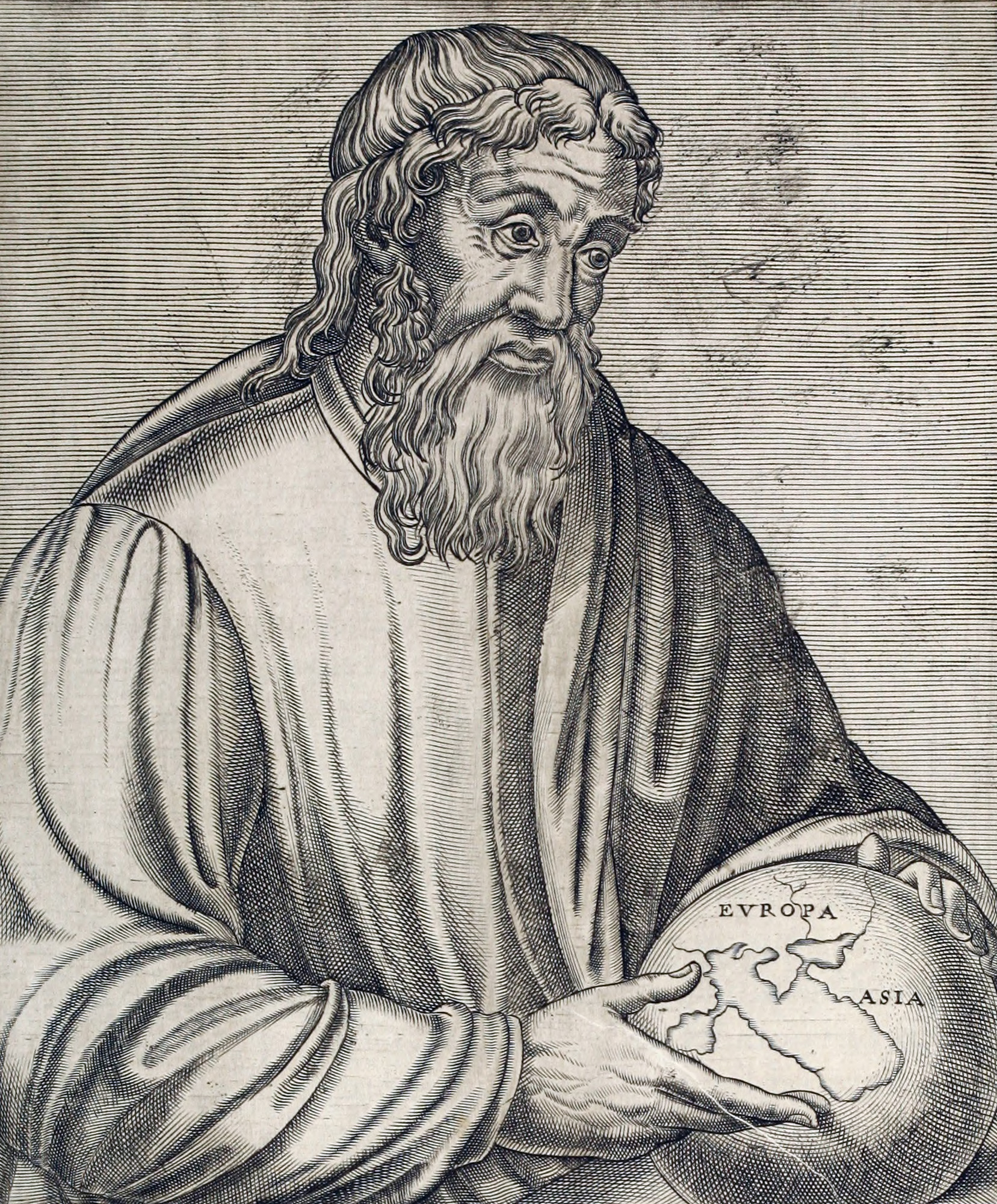
Strabo was born in 64 or 63 BC in Amaseia, a city in ancient Pontus, now modern-day Turkey. He was a Greek geographer who lived in Asia Minor during the transitional period of the Roman Republic into the Roman Empire. Strabo's family was prominent in the region, with his father being a wealthy merchant who had connections with the Roman Empire. This exposure to different cultures and trade routes likely influenced Strabo's interest in geography and history, as seen in the works of Herodotus and Eratosthenes.
📚 Geographica & Other Works
Strabo's most famous work is Geographica, a 17-volume descriptive history of people and places from different regions of the world known during his lifetime. The work covers various topics, including the geography, culture, and history of the regions, and is considered one of the most important sources of information on the ancient world. Geographica has been influential in the development of geography as a field of study, with scholars like Strabon and Pomponius Mela building upon Strabo's work. Additionally, Strabo authored historical works, but only fragments and quotations of these survive in the writings of other authors, such as Appian and Diodorus Siculus.
🌍 Cultural Impact
Strabo's work has had a significant impact on the development of geography and history. His descriptive history of people and places has provided valuable insights into the cultures and societies of the ancient world. The influence of Strabo's work can be seen in the writings of later scholars, such as Ibn Khaldun and Leonardo da Vinci, who built upon his ideas and expanded the field of geography. Furthermore, Strabo's work has been used as a source of information by historians and scholars, including Edward Gibbon and Theodor Mommsen, to study the ancient world and its cultures.
🔮 Legacy & Future
Strabo's legacy extends beyond his work in geography and history. He is considered one of the most important ancient Greek geographers, and his work has had a lasting impact on the development of the field. Strabo's emphasis on descriptive history and his use of various sources, including literary and archaeological evidence, have influenced the way historians and geographers approach their work. Today, Strabo's work remains an essential source of information for scholars studying the ancient world, and his ideas continue to inspire new generations of historians and geographers, including those at Harvard University and the British Museum.
Key Facts
- Year
- 64 or 63 BC - c. 24 AD
- Origin
- Amaseia, ancient Pontus (modern-day Turkey)
- Category
- history
- Type
- person
Frequently Asked Questions
What is Strabo's most famous work?
Strabo's most famous work is Geographica, a 17-volume descriptive history of people and places from different regions of the world known during his lifetime. This work has been influential in the development of geography as a field of study, with scholars like Strabon and Pomponius Mela building upon Strabo's ideas. Additionally, Geographica has been used as a source of information by historians and scholars, including Edward Gibbon and Theodor Mommsen, to study the ancient world and its cultures.
What was Strabo's contribution to the field of geography?
Strabo's contribution to the field of geography was significant, as he provided a descriptive history of people and places from different regions of the world known during his lifetime. His work has had a lasting impact on the development of geography, influencing scholars such as Pliny the Elder and Ptolemy. Strabo's emphasis on descriptive history and his use of various sources, including literary and archaeological evidence, have influenced the way historians and geographers approach their work.
What is the significance of Strabo's work today?
Strabo's work remains an essential source of information for scholars studying the ancient world, and his ideas continue to inspire new generations of historians and geographers. His descriptive history of people and places has provided valuable insights into the cultures and societies of the ancient world, and his influence can be seen in the writings of later scholars, such as Ibn Khaldun and Leonardo da Vinci.
How did Strabo's work influence later scholars?
Strabo's work has had a significant impact on the development of geography and history. His descriptive history of people and places has provided valuable insights into the cultures and societies of the ancient world, and his influence can be seen in the writings of later scholars, such as Ibn Khaldun and Leonardo da Vinci. Additionally, Strabo's work has been used as a source of information by historians and scholars, including Edward Gibbon and Theodor Mommsen, to study the ancient world and its cultures.
What is the current state of Strabo's work?
Strabo's work, particularly Geographica, remains an essential source of information for scholars studying the ancient world. However, only fragments and quotations of his historical works survive in the writings of other authors, such as Appian and Diodorus Siculus. Despite this, Strabo's ideas continue to inspire new generations of historians and geographers, and his influence can be seen in the writings of later scholars, such as Ibn Khaldun and Leonardo da Vinci.