
Contents
Overview
Stereotyping is the cognitive process of assigning generalized beliefs and expectations to entire groups of people, often based on limited information or pre-existing schemas. These mental shortcuts, while potentially aiding in rapid information processing, frequently lead to oversimplified, inaccurate, and often harmful generalizations about individuals. Stereotypes can manifest as explicit, conscious beliefs or implicit, unconscious biases, influencing everything from interpersonal interactions to systemic discrimination. While some stereotypes might appear neutral or even positive on the surface, their inherent nature of generalization can obscure individual differences and perpetuate prejudice. The study of stereotyping is crucial for understanding social dynamics, intergroup relations, and the psychological underpinnings of bias, with ongoing research exploring their formation, impact, and potential mitigation strategies.
🎵 Origins & History
The concept of stereotyping, as a cognitive shortcut, has roots stretching back to ancient philosophical inquiries into categorization and generalization. Walter Lippmann described stereotypes as 'pictures in our heads' that allow us to navigate a complex world by relying on pre-formed images of social groups. Prior to Lippmann, psychologists like William James had explored similar ideas in his work on habit and automaticity. The early 20th century, marked by significant social and political upheaval, provided fertile ground for examining how collective beliefs about groups, particularly ethnic and national groups, were formed and disseminated, often through mass media like newspapers and early radio broadcasts.
⚙️ How It Works
At its core, stereotyping functions as a mental shortcut that simplifies information processing. When encountering an individual, our brains quickly categorize them based on perceived group membership (e.g., gender, race, profession). This categorization then triggers associated beliefs and expectations stored in our memory, allowing us to make rapid judgments without expending significant cognitive effort. This process involves both schema activation and social cognition. For instance, encountering someone in a lab coat might automatically trigger stereotypes about scientists being intelligent and introverted, influencing our initial perception of that individual. This automatic activation can occur both consciously (explicit stereotypes) and unconsciously (implicit stereotypes), as demonstrated by research using the Implicit Association Test (IAT).
📊 Key Facts & Numbers
Research into stereotypes has yielded a wide range of quantitative findings. The economic impact of stereotypes is also significant; a 2019 study estimated that implicit bias in hiring could cost the U.S. economy billions annually due to lost productivity and underemployment. Furthermore, implicit bias studies using the IAT have revealed that over 70% of participants exhibit some level of implicit bias related to race or gender.
👥 Key People & Organizations
Key figures in the study of stereotyping include Walter Lippmann, who coined the term in its modern context, and Gordon Allport, whose 1954 book The Nature of Prejudice remains a foundational text. Social psychologists like Claude Steele and Joshua Aronson have extensively researched the phenomenon of 'stereotype threat,' where individuals underperform due to the fear of confirming negative stereotypes about their group. Organizations such as the American Psychological Association and the Society for Personality and Social Psychology regularly publish research and host conferences addressing the mechanisms and consequences of stereotyping. Think tanks like the Southern Poverty Law Center also track the societal impact of group-based stereotypes and prejudice.
🌍 Cultural Impact & Influence
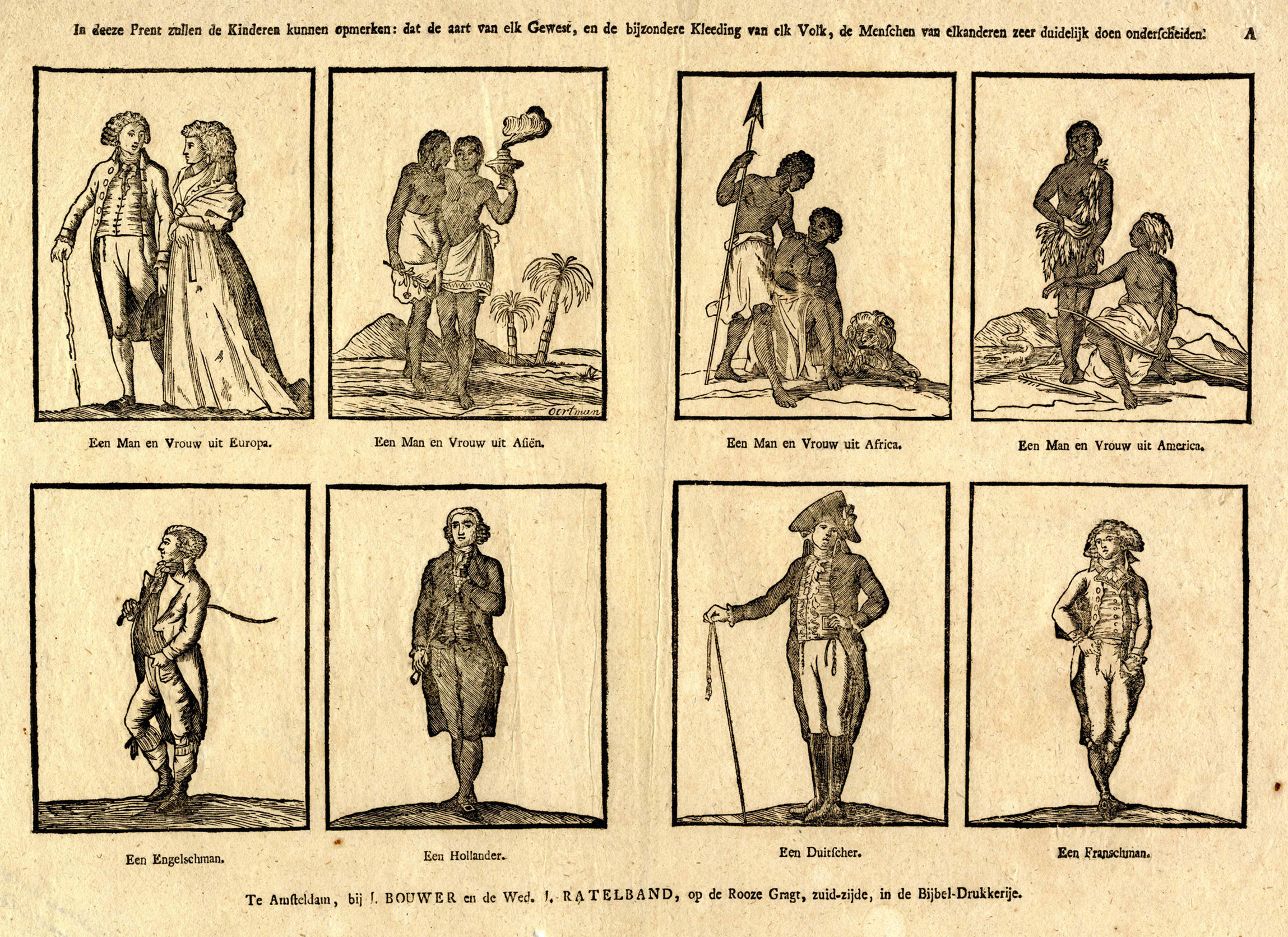
Stereotypes have profoundly shaped global culture, influencing art, literature, media, and everyday social interactions. From the caricatures in early minstrel shows to the archetypes in modern cinema, stereotypes have been used to represent, and often misrepresent, various social groups. The pervasive nature of stereotypes in media, including television and film, can reinforce societal biases and limit the perceived possibilities for individuals within stereotyped groups. For instance, the historical underrepresentation of women in STEM fields in media has been linked to societal stereotypes about women's aptitude for science and mathematics. Conversely, counter-stereotypical portrayals, such as women excelling in traditionally male-dominated professions in shows like Hidden Figures, can challenge existing biases and broaden cultural understanding. The global spread of media has also led to the cross-cultural transmission and adaptation of stereotypes.
⚡ Current State & Latest Developments
In the contemporary landscape, the study and mitigation of stereotyping remain highly active areas of research and public discourse. The rise of social media platforms like Twitter and Facebook has created new avenues for both the dissemination and challenging of stereotypes, often leading to viral campaigns and public debates. Initiatives focused on diversity, equity, and inclusion (DEI) within corporations and educational institutions are increasingly incorporating training and strategies to identify and counteract stereotyping. The ongoing global conversations around racial justice, gender equality, and LGBTQ+ rights highlight the persistent influence of stereotypes and the urgent need for their deconstruction.
🤔 Controversies & Debates
The very nature of stereotypes is a subject of intense debate. A central controversy revolves around their accuracy: while some argue that stereotypes are inherently flawed generalizations, others contend that they can sometimes reflect statistical realities about groups, albeit imperfectly. The distinction between explicit and implicit stereotypes is also debated, particularly regarding the extent to which unconscious biases can be controlled or mitigated. Furthermore, the effectiveness and ethical implications of 'positive stereotypes' are questioned; while seemingly benign, they can still create undue pressure and mask individual differences. The debate over 'political correctness' often intersects with discussions on stereotyping, with critics arguing that efforts to avoid stereotyping stifle free speech, while proponents emphasize the harm caused by prejudiced language and thought.
🔮 Future Outlook & Predictions
The future of stereotyping research is likely to be heavily influenced by advancements in artificial intelligence and computational social science. Researchers are developing more sophisticated methods to detect and measure implicit biases in algorithms and human behavior, potentially leading to more effective interventions. The increasing interconnectedness of the global population through digital platforms may also lead to the evolution of stereotypes, with new forms emerging and existing ones being challenged or reinforced on a global scale. Experts predict a continued focus on developing evidence-based strategies for prejudice reduction, including targeted educational programs, intergroup contact interventions, and policy changes aimed at dismantling systemic biases. The long-term goal remains to foster a society where individuals are judged on their merits rather than on preconceived notions about their group affiliations.
💡 Practical Applications
Stereotyping has direct practical applications in various fields, primarily in the development of interventions to combat prejudice and discrimination. Psychologists and educators utilize an understanding of stereotype formation to design diversity training programs for workplaces and schools, aiming to increase awareness of implicit biases and promote more equitable decision-making. In marketing and advertising, understanding stereotypes is crucial for both avoiding offensive portrayals and for crafting messages that resonate with specific target demographics, though this practice is often fraught with ethical considerations. In the legal system, awareness of stereotypes is
Key Facts
- Category
- philosophy
- Type
- topic