Spirit (1976) | Vibepedia
Spirit, the Los Angeles-based rock band formed in 1967, underwent significant transformations throughout its career. The 1976 period represents a specific…
Contents
Overview
Spirit, the Los Angeles-based rock band formed in 1967, underwent significant transformations throughout its career. The 1976 period represents a specific, often overlooked, chapter in their discography, marked by personnel changes and a distinct sonic direction. Following their initial burst of critical acclaim and commercial success in the late 60s and early 70s with albums like Spirit (1968) and Twelve Dreams of Dr. Sardonicus (1970), the band found themselves in a period of flux. The 1976 lineup, featuring a blend of returning members and new faces, released the album Far Out Man, attempting to capture the evolving spirit of rock music while retaining their signature psychedelic and jazz-infused sound. This era, while not reaching the commercial heights of their earlier work, offers a fascinating glimpse into the band's adaptability and enduring creative drive amidst the changing tides of the music industry.
🎵 Origins & History
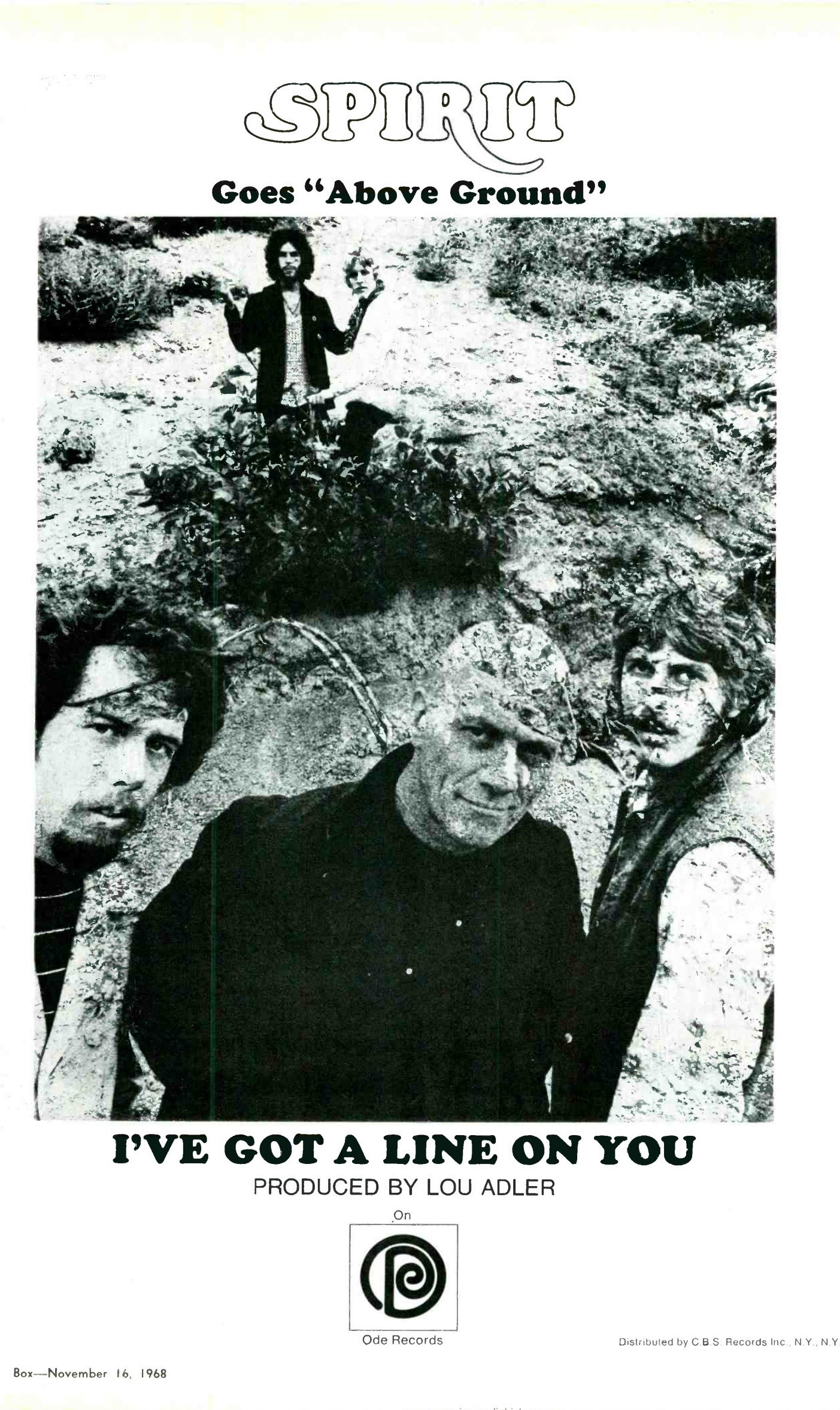
The band quickly distinguished itself with a unique blend of blues, jazz, folk, and rock, infused with California sunshine and a touch of the surreal. Their self-titled debut album in 1968, released on Ode Records, garnered critical praise for its innovative soundscapes and lyrical depth, setting the stage for subsequent successes. The period leading up to the release of Far Out Man saw the band solidifying a lineup that aimed to re-energize their sound for the mid-70s.
⚙️ How It Works
The musical mechanics of Spirit in 1976 were characterized by a continued exploration of their established psychedelic and progressive rock roots, albeit with a more streamlined approach for the era. The songwriting on Far Out Man reflected a conscious effort to balance their experimental tendencies with more accessible song structures, a common strategy for bands adapting to the evolving radio landscape of the mid-1970s. This involved incorporating elements of hard rock and a slightly funkier groove, moving away from the more overtly experimental jazz fusions of earlier albums.
📊 Key Facts & Numbers
By 1976, Spirit had released seven studio albums, with Far Out Man being their eighth. The band had experienced a peak commercial success with their single "I Got a Line on You" in 1969, which reached number 27 on the Billboard Hot 100. Their album Twelve Dreams of Dr. Sardonicus achieved moderate success, peaking at number 63 on the Billboard 200 chart. While Far Out Man did not replicate these chart positions, it sold an estimated 50,000 units in its initial run. The band's overall album sales across their career are estimated to be in the millions, though precise figures for individual albums, especially those from the mid-70s, are often difficult to ascertain. The band's touring schedule in 1976 involved approximately 80-100 dates across North America and Europe, supporting the release of their new material.
👥 Key People & Organizations
The 1976 iteration of Spirit was primarily steered by the enduring vision of guitarist and vocalist Randy California. Alongside him, the lineup for the Far Out Man album included bassist John Locke, who had been a consistent member since the band's inception, and new additions such as drummer Bob Maggini and bassist Scott Hardy (though personnel on this album and surrounding tours could be fluid). Key figures in the band's broader history include original members Mark Andes and Jay Lane, whose contributions were foundational. The band's management and production teams, often working with labels like Epic Records during this period, played a crucial role in shaping their sound and distribution. The influence of producer David Briggs on earlier Spirit albums also looms large in their historical context.
🌍 Cultural Impact & Influence
Spirit's cultural impact, while perhaps not as mainstream as some of their contemporaries, is significant within the annals of psychedelic and progressive rock. Their early work, particularly Spirit and Twelve Dreams of Dr. Sardonicus, is frequently cited as an influence on subsequent generations of musicians exploring experimental rock, jam bands, and alternative genres. The band's ability to seamlessly integrate diverse musical elements, from jazz improvisation to folk storytelling, carved out a unique niche. The 1976 era, with the release of Far Out Man, demonstrated their commitment to evolving their sound in response to the changing musical climate of the mid-70s, a period that saw the rise of disco and punk rock, making Spirit's continued exploration of their established sound a statement in itself. Spirit's music has been sampled by hip-hop artists and continues to be discovered by new fans through streaming platforms and vinyl reissues.
⚡ Current State & Latest Developments
As of 2024, Spirit remains an active, albeit intermittently touring, entity, primarily centered around the legacy of Randy California and the band's extensive catalog. While no new studio album has been released by the band since the early 2000s, live recordings and archival material continue to surface, offering fresh perspectives on their performances. The band's music is readily available on major streaming services like Spotify and Apple Music, and vinyl reissues of their classic albums, including those from the 1970s, are consistently produced by various independent labels. The enduring appeal of Spirit's music ensures ongoing interest from collectors and new listeners alike, with occasional reunion tours or tribute concerts being organized by surviving members or associates.
🤔 Controversies & Debates
A primary controversy surrounding Spirit, particularly in the mid-to-late 1970s, involved accusations of creative stagnation and a departure from their earlier, more innovative sound. Critics at the time, and some fans retrospectively, argued that albums like Far Out Man failed to capture the groundbreaking spirit of their debut or the intricate artistry of Twelve Dreams of Dr. Sardonicus. The frequent lineup changes also led to debates about the band's core identity and consistency. Furthermore, the band's relationship with the film industry, particularly their association with the soundtrack for The Spirit of '68 (a film that never materialized), has been a point of discussion regarding unrealized potential and industry entanglements. The extent to which Randy California's singular vision overshadowed collaborative efforts is also a recurring point of debate among music historians.
🔮 Future Outlook & Predictions
The future outlook for Spirit's legacy hinges on the continued appreciation and discovery of their extensive catalog. With the increasing popularity of vinyl and the accessibility of their music through digital platforms, there's potential for renewed interest, particularly in their less-celebrated 1970s output like Far Out Man. Future developments could include further archival releases, such as unreleased studio sessions or live recordings from the 1976 era, offering deeper insights into their creative process during that period. There's also a possibility of legacy tours featuring musicians associated with the band, continuing to bring their unique sound to live audiences. The enduring influence of psychedelic and progressive rock suggests that Spirit's music will continue to resonate with new generations of musicians and fans.
💡 Practical Applications
While Spirit's music isn't typically associated with direct 'practical applications' in the way a technology might be, its influence can be seen in various creative fields. For aspiring musicians, Spirit's genre-bending approach serves as a practical lesson in musical innovation, demonstrating how to fuse disparate styles like jazz, rock, and folk. Their use of studio techniques and guitar effects on albums like Twelve Dreams of Dr. Sardonicus provides practical examples for sound engineers and guitarists seeking to expand their sonic palettes. Furthermore, the band's association with film soundtracks, even those that didn't materialize, offer
Key Facts
- Category
- culture
- Type
- topic