
Contents
Overview
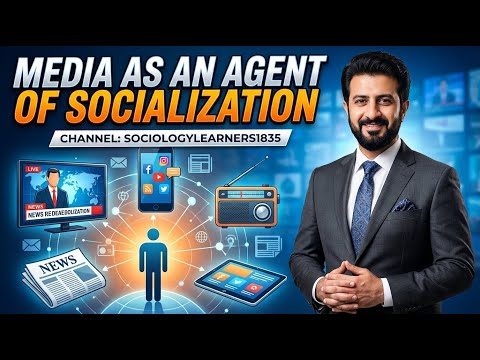
The sociology of media is an interdisciplinary field that combines insights from sociology, communication studies, and cultural studies to understand the social, cultural, and economic factors that shape media production, consumption, and representation. Scholars like Marshall McLuhan, who wrote about the impact of media on society in his book 'The Medium is the Message', and Jean Baudrillard, who explored the concept of hyperreality, have been influential in shaping the field. Companies like Google, Facebook, and Twitter have also played a significant role in shaping the media landscape, with their algorithms and platforms influencing what we see and interact with online. Meanwhile, movements like open source and hacktivism, led by figures like Richard Stallman and Julian Assange, have challenged traditional notions of media ownership and control.
📺 Media Production and Consumption
Media production and consumption are two key areas of focus in the sociology of media. The production of media is shaped by a range of factors, including economic constraints, technological capabilities, and social norms. For example, the rise of reality TV shows like 'Survivor' and 'Big Brother' can be seen as a response to the economic pressures facing the television industry, as well as the growing popularity of social media platforms like Instagram and YouTube. The consumption of media, on the other hand, is influenced by factors like social class, education level, and cultural background. Scholars like Pierre Bourdieu have written about the ways in which media consumption reflects and reinforces social inequalities, with certain groups having greater access to and control over media resources. Companies like Netflix and Spotify have also changed the way we consume media, with their streaming services offering personalized recommendations and on-demand access to a wide range of content.
🌐 Digital Media and Society
The rise of digital media has transformed the way we produce, consume, and interact with media. Social media platforms like Facebook, Twitter, and Instagram have created new opportunities for people to connect with each other and share information, but they have also raised concerns about issues like online harassment, disinformation, and surveillance. Scholars like Sherry Turkle have written about the psychological effects of digital media on our relationships and sense of self, while others like danah boyd have explored the ways in which digital media are shaping our understanding of identity and community. Companies like Apple and Samsung have also played a significant role in shaping the digital media landscape, with their devices and platforms influencing how we access and interact with media. Meanwhile, movements like the Arab Spring and Occupy Wall Street have demonstrated the potential of digital media to mobilize social movements and challenge traditional power structures.
📰 Media Representation and Identity
Media representation and identity are also critical areas of focus in the sociology of media. The ways in which different groups are represented in the media can have a significant impact on our perceptions of ourselves and others. For example, the underrepresentation of women and minorities in leadership positions in the media industry can perpetuate stereotypes and reinforce social inequalities. Scholars like bell hooks have written about the ways in which media representation reflects and reinforces systems of oppression, while others like Judith Butler have explored the ways in which media can be used to challenge and subvert dominant norms and expectations. Companies like Disney and Pixar have also been criticized for their representation of diverse groups, with some arguing that they perpetuate stereotypes and reinforce dominant cultural norms. Meanwhile, movements like #MeToo and Black Lives Matter have highlighted the importance of representation and diversity in the media, with many calling for greater inclusion and accountability in the industry.
Key Facts
- Year
- 1960s
- Origin
- North America and Europe
- Category
- sociology
- Type
- concept
Frequently Asked Questions
What is the sociology of media?
The sociology of media is a subfield of sociology that examines the social, cultural, and economic factors that shape media production, consumption, and representation. It draws on the work of scholars like Marshall McLuhan, Jean Baudrillard, and Pierre Bourdieu to understand the complex relationships between media, culture, and society. Companies like Google, Facebook, and Twitter have also played a significant role in shaping the media landscape, with their algorithms and platforms influencing what we see and interact with online.
How does media representation impact society?
Media representation can have a significant impact on our perceptions of ourselves and others. The ways in which different groups are represented in the media can perpetuate stereotypes and reinforce social inequalities. Scholars like bell hooks have written about the ways in which media representation reflects and reinforces systems of oppression, while others like Judith Butler have explored the ways in which media can be used to challenge and subvert dominant norms and expectations. Companies like Disney and Pixar have also been criticized for their representation of diverse groups, with some arguing that they perpetuate stereotypes and reinforce dominant cultural norms.
What is the digital divide?
The digital divide refers to the unequal access to and use of digital technologies, such as computers and the internet, among different social groups. This can perpetuate existing social inequalities and limit opportunities for social mobility. Scholars like Manuel Castells have written about the ways in which the digital divide reflects and reinforces broader social and economic inequalities, while others like Nicholas Negroponte have explored the potential of digital technologies to bridge the divide and promote greater social inclusion. Companies like Apple and Samsung have also played a significant role in shaping the digital media landscape, with their devices and platforms influencing how we access and interact with media.
How does media literacy impact our understanding of the world?
Media literacy refers to the ability to critically evaluate and understand the media we consume. This can help us to navigate the complex media landscape and make informed decisions about the information we trust. Scholars like Neil Postman have written about the importance of media literacy in promoting critical thinking and media literacy skills, while others like Douglas Kellner have explored the ways in which media literacy can be used to challenge dominant ideologies and promote social change. Companies like Facebook and Twitter have also emphasized the importance of media literacy, with some arguing that it is essential for promoting healthy online interactions and reducing the spread of misinformation.
What is the role of media in shaping public opinion?
Media can play a significant role in shaping public opinion by influencing what we think about and how we think about it. Scholars like Noam Chomsky have written about the ways in which media can be used to manipulate public opinion and promote dominant ideologies, while others like Edward Herman have explored the ways in which media can be used to challenge dominant norms and promote social change. Companies like CNN and Fox News have also been criticized for their role in shaping public opinion, with some arguing that they perpetuate biased and misleading information. Meanwhile, movements like the Arab Spring and Occupy Wall Street have demonstrated the potential of media to mobilize social movements and challenge traditional power structures.