
Contents
Overview
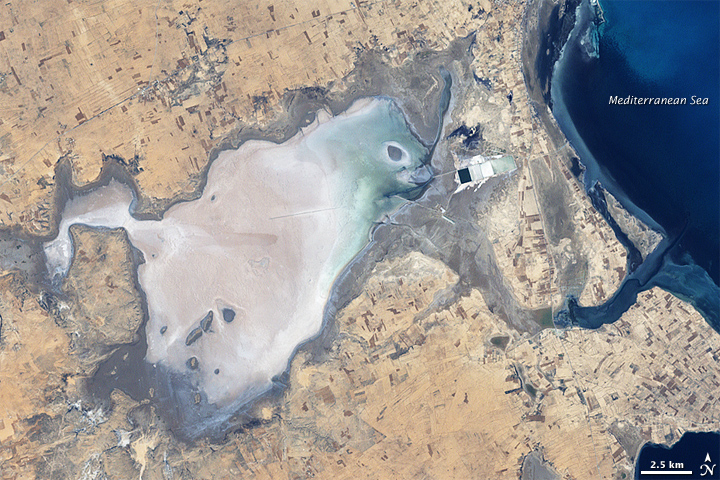
The concept of sabkha has been studied by geologists and geomorphologists for decades. The term 'sabkha' is used to describe a range of coastal salt flats and mudflats. The mangrove forests found in some sabkhas provide important habitat for marine species. The International Union for Conservation of Nature (IUCN) has played a crucial role in the conservation of sabkhas.
⚙️ How It Works
Sabkhas support a range of flora and fauna adapted to harsh conditions. The unique conditions found in sabkhas make them important areas for conservation. The United Nations Environment Programme (UNEP) has launched initiatives to protect and conserve sabkhas. The World Wildlife Fund (WWF) has also been involved in the conservation of sabkhas.
📊 Key Facts & Numbers
Sabkhas provide important habitat for a range of flora and fauna, including the flamingo and the avocet. The cultural significance of sabkhas is reflected in the traditional practices and beliefs of the people who live and work in these areas.
👥 Key People & Organizations
A number of key people and organizations have contributed to our understanding of sabkhas, including geologists, geomorphologists, and conservationists. The IUCN has played a crucial role in the conservation of sabkhas.
🌍 Cultural Impact & Influence
Sabkhas have a significant cultural impact and influence, with these areas being used for a range of purposes. The cultural significance of sabkhas is reflected in the traditional practices and beliefs of the people who live and work in these areas.
⚡ Current State & Latest Developments
The current state of sabkhas is a topic of ongoing research and debate. The UNEP and the WWF have launched initiatives to protect and conserve sabkhas.
🤔 Controversies & Debates
There are a number of controversies and debates surrounding sabkhas, including the conservation of these areas and the role of human activities in shaping sabkha ecosystems.
🔮 Future Outlook & Predictions
The future outlook for sabkhas is uncertain. However, there are a number of steps that can be taken to protect and conserve sabkhas, including the establishment of protected areas and the promotion of sustainable land-use practices.
💡 Practical Applications
Sabkhas have a number of practical applications, including the support of fishing and tourism industries. The unique conditions found in sabkhas also support a range of flora and fauna.
Key Facts
- Category
- nature
- Type
- concept