
Contents
Overview
Richard Hell, born Richard Lester Meyers on October 2, 1949, is an American singer, songwriter, bass guitarist, and writer. He co-founded influential bands like Neon Boys, Television, and The Voidoids. The Voidoids' 1977 album Blank Generation became a touchstone for the genre. The title track, "Blank Generation," is widely recognized as an anthem of youthful alienation and has been lauded by the Rock and Roll Hall of Fame and punk historians. Beyond music, Hell has established a significant literary career, publishing novels and essays, and has contributed as a film critic. His aesthetic, characterized by DIY fashion and a confrontational stage presence, profoundly shaped punk's visual identity and ethos, cementing his status as an enduring cultural icon.
🎵 Origins & History
Richard Lester Meyers was born on October 2, 1949. He attended the Sanford School in Hockessin, Delaware. His initial forays into music began in the early 1970s, where he crossed paths with figures who would become central to the nascent New York City punk scene. These formative years were crucial in developing the raw, confrontational aesthetic that would later define his public persona and musical output, setting the stage for his emergence as a key architect of punk's visual and sonic language.
⚙️ The Voidoids and the Birth of an Anthem
Hell's most enduring musical legacy is arguably tied to his band Richard Hell & the Voidoids and their seminal 1977 album, Blank Generation. The album, released on Sire Records, captured a specific brand of urban ennui and youthful rebellion that resonated deeply within the punk subculture. The title track, "Blank Generation," became an anthem for a disaffected youth, its lyrics articulating a sense of aimlessness and defiance. The album's raw energy and Hell's distinctive vocal delivery, coupled with his provocative stage presence, solidified his image as a punk icon. This work is frequently cited as a major influence on subsequent punk and post-punk bands, its impact extending far beyond the initial wave of the genre.
📊 Key Facts & Numbers
Richard Hell's career is marked by significant cultural milestones. The album Blank Generation has sold an estimated 100,000 units in the US alone, a substantial figure for an independent punk release of its era. The title track, "Blank Generation," has been featured on over 50 compilation albums, underscoring its enduring appeal. Hell's distinctive ripped-jeans-and-safety-pins aesthetic is estimated to have been replicated by millions of fans and musicians globally since the late 1970s. His literary output includes two novels, Go Now (1986) and Psychotropa (1995), which have been translated into at least 5 languages, reaching an international readership. He served as the film critic for BlackBook magazine for two years, from 2004 to 2006, publishing over 30 reviews.
👥 Key People & Organizations
Beyond Richard Hell himself, several individuals and entities were instrumental in his career. Terry Quinn and Tom Verlaine were early collaborators in the Neon Boys, a precursor to Television. Johnny Thunders and Jerry Nolan were fellow members in The Heartbreakers, another pivotal early punk band. Robert Quine, a guitarist known for his distinctive playing style, was a key member of Richard Hell & the Voidoids, contributing significantly to the band's sound. Hell's marriage to singer Patty Smyth also placed him within a broader sphere of the music industry. His literary agent, Sarah Landis, has been instrumental in managing his writing career.
🌍 Cultural Impact & Influence
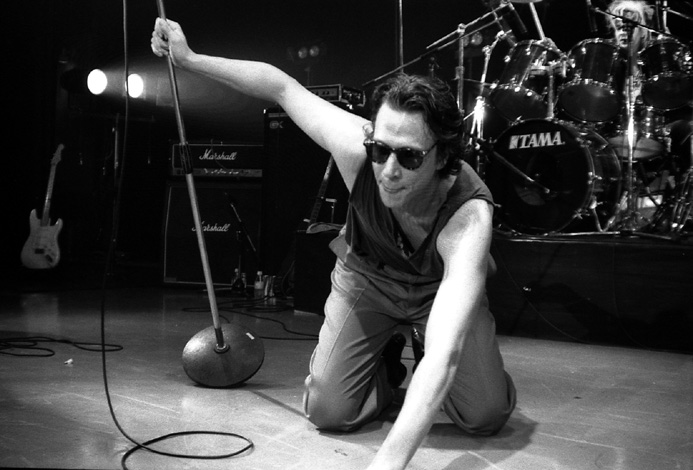
Richard Hell's influence on punk rock extends far beyond music; he is credited with popularizing a specific visual aesthetic that became synonymous with the movement. His ripped clothing, spiked hair, and defiant attitude, often documented by photographers like Bob Gruen and Roberta Bayley, provided a blueprint for punk fashion. This DIY ethos and anti-establishment stance permeated not only music but also art and literature. His lyrical themes of alienation and social critique, particularly in "Blank Generation," provided a voice for a generation and continue to be analyzed in academic contexts, appearing in university courses on counterculture and music history. His transition to writing further demonstrated the multifaceted nature of his artistic expression, proving that his impact was not limited to a single medium.
⚡ Current State & Latest Developments
As of 2024, Richard Hell remains an active figure, though primarily focused on his literary pursuits. He continues to engage with his legacy through occasional interviews and public appearances, often reflecting on the early days of punk and his contributions. His website, richardhell.com, serves as a hub for his writings, essays, and occasional announcements. While he has not released new music with The Voidoids in decades, their catalog continues to be reissued and celebrated. Hell's recent essays and commentaries, often published online or in literary journals, address contemporary cultural and political issues, demonstrating his continued intellectual engagement and relevance in cultural discourse.
🤔 Controversies & Debates
One of the persistent debates surrounding Richard Hell concerns the extent of his direct influence versus his role as a catalyst for others. While Blank Generation is undeniably iconic, some critics argue that bands like the Ramones and Sex Pistols had a broader global impact on the punk genre's commercial reach. Another point of contention is the interpretation of the "Blank Generation" itself: was it a genuine expression of nihilism, or a performative stance that captured a specific moment? Furthermore, the commercial success of his music, while significant within the punk underground, pales in comparison to mainstream rock acts of the same era, leading to discussions about the definition of "success" in artistic terms. His early departure from Television also remains a subject of speculation among fans and music historians.
🔮 Future Outlook & Predictions
The future for Richard Hell likely involves a continued focus on his literary career, with potential for new essays, articles, or even further fiction. His established legacy ensures ongoing interest in his past musical work, with continued reissues and critical analysis of Blank Generation. There's a possibility of curated retrospectives or documentaries exploring his multifaceted career, bridging his musical and literary contributions. While a full-scale musical reunion of Richard Hell & the Voidoids seems improbable given the band's history and Hell's current focus, the enduring power of their recorded output guarantees their continued presence in discussions of punk history. His influence may also manifest in new artists drawing inspiration from his aesthetic and lyrical themes, ensuring the "blank generation" spirit persists.
💡 Practical Applications
Richard Hell's primary 'practical application' lies in his role as a cultural archetype and a source of inspiration. His aesthetic—the ripped clothing, the defiant posture, the intellectual edge—has been adopted and adapted by countless musicians, artists, and fashion designers, demonstrating a tangible influence on visual culture. The concept of the "blank generation" itself serves as a touchstone for discussing youth alienation, societal critique, and the search for identity, making his work a valuable case study in sociology and cultural studies. Furthermore, his successful transition from musician to acclaimed writer showcases a model for artistic evolution and cross-disciplinary impact, proving that creative expression can transcend a single medium. His writings offer insights into the creative process and the cultural landscape of the late 20th and early 21st centuries.
Key Facts
- Category
- culture
- Type
- person