
Contents
Overview
The genesis of the Reserve Officers' Training Corps (ROTC) can be traced back to the National Defense Act of 1916, a landmark piece of legislation. This act formalized and expanded upon earlier, more localized military training programs in universities, establishing a standardized system for officer development. The primary impetus was the looming specter of World War I, which highlighted the urgent need for a readily available pool of trained officers. Early iterations of military instruction in American higher education, such as the Land-Grant Colleges established by the Morrill Act of 1862, had already laid some groundwork, but the 1916 act created a unified, national framework. The program was designed to foster patriotism and prepare students for potential military service, ensuring the nation's readiness without mandating universal conscription at the time. The United States Army was the first branch to fully integrate the ROTC structure, with the Naval and Air Force components evolving over subsequent decades.
⚙️ How It Works
ROTC functions as an elective academic program within participating colleges and universities, allowing students to simultaneously pursue a bachelor's degree and officer training. Students enroll in ROTC courses, which typically include military science, leadership development, physical fitness training, and specialized branch-specific instruction. The program is structured into two phases: the first two years, often called the 'basic course,' which is generally open to all students and requires minimal commitment, and the final two years, the 'advanced course,' which involves a more rigorous curriculum and a service commitment. Cadets in the advanced course typically receive a monthly stipend and may be eligible for scholarships that cover tuition and fees. Upon successful completion of the program and graduation, cadets are commissioned as officers and incur a service obligation. The training is overseen by active-duty or retired military personnel who serve as instructors, ensuring cadets are prepared for the demands of commissioned service in organizations like the United States Army, United States Navy, United States Air Force, and United States Marine Corps.
📊 Key Facts & Numbers
ROTC continues to be a cornerstone of U.S. military officer accession. Across the nation, ROTC programs are hosted by participating colleges and universities, with a significant number of students actively participating in ROTC nationwide in recent years. The program's resilience was evident during the COVID-19 pandemic, which saw a rapid shift to hybrid learning models and virtual training, demonstrating its adaptability. These numbers underscore ROTC's role as a primary engine for developing the future leadership of the American armed forces.
👥 Key People & Organizations
While ROTC is a program rather than a single organization, several key entities and individuals are intrinsically linked to its operation and legacy. The United States Department of Defense oversees all ROTC branches, setting policy and providing funding. Each service branch—the United States Army, United States Navy, and United States Air Force—manages its respective ROTC program through dedicated commands, such as the Army's Training and Doctrine Command (TRADOC). Universities themselves are crucial partners, providing the academic infrastructure and faculty. Prominent alumni who passed through ROTC programs include numerous high-ranking officers and influential figures in government and business. Organizations like the ROTC Association advocate for the program and support its cadets.
🌍 Cultural Impact & Influence
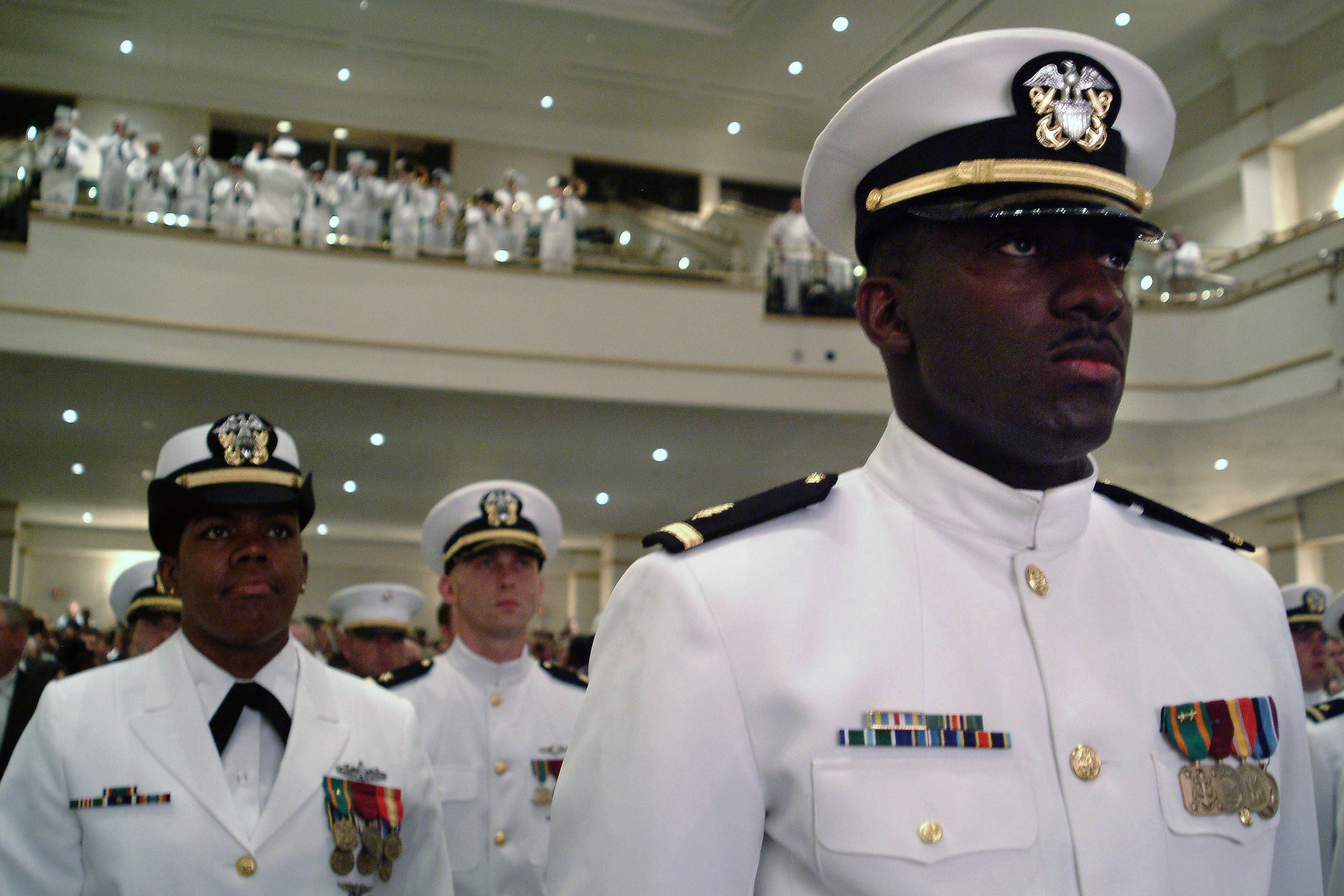
ROTC has profoundly shaped American culture and the perception of military service, particularly within higher education. It has fostered a tradition of citizen-soldiers, integrating military training with academic pursuits and producing leaders who often transition into civilian roles in government, business, and public service. The iconic imagery of cadets in uniform on college campuses, the ceremonial parades, and the ROTC scholarship announcements are familiar cultural touchstones. The program has also been a significant pathway for individuals from diverse socioeconomic backgrounds to access higher education and secure a commission, thereby promoting social mobility. Furthermore, ROTC has influenced the development of leadership curricula in civilian institutions, with many of its pedagogical approaches to teamwork, discipline, and strategic thinking finding application beyond the military sphere. The presence of ROTC on campus has also, at times, been a focal point for debates surrounding the military's role in universities, as seen during periods of intense anti-war sentiment.
⚡ Current State & Latest Developments
In the current landscape of 2024-2025, ROTC continues to be a cornerstone of U.S. military officer accession, adapting to evolving strategic needs and technological advancements. The Air Force ROTC and Navy ROTC programs are increasingly emphasizing pathways for cadets interested in commissioning into the United States Space Force, reflecting the growing importance of space-based operations. There's a continuous effort to recruit a diverse pool of cadets, mirroring the demographic makeup of the nation, with targeted outreach initiatives and enhanced scholarship offerings. The curriculum is also being updated to incorporate contemporary challenges, such as cyber warfare, artificial intelligence, and global security dynamics. The program's resilience was evident during the COVID-19 pandemic, which saw a rapid shift to hybrid learning models and virtual training, demonstrating its adaptability. Discussions are ongoing regarding the optimal balance between academic rigor and military training, ensuring graduates are not only competent officers but also well-rounded individuals prepared for complex future conflicts.
🤔 Controversies & Debates
The ROTC program is not without its controversies and debates. A persistent point of contention has been the presence of military recruiters and ROTC programs on college campuses, particularly during periods of heightened anti-war sentiment or when universities adopt 'sanctuary campus' policies. Critics argue that ROTC's presence normalizes military interventionism and can create a hostile environment for students opposed to military action. Conversely, proponents emphasize ROTC's role in providing educational opportunities and developing leadership skills, arguing that restricting its presence infringes upon free speech and institutional autonomy. Another debate revolves around the effectiveness and cost-efficiency of ROTC compared to other commissioning sources like Officer Candidate School (OCS) or the United States Service Academies (e.g., United States Military Academy at West Point). Some critics question whether the training provided is sufficiently rigorous for the demands of modern warfare, while supporters point to the high percentage of commissioned officers produced annually as evidence of its value. Debates also arise regarding the specific branches and career fields cadets are assigned to, with some cadets expressing dissatisfaction with their initial assignments.
🔮 Future Outlook & Predictions
Looking ahead, ROTC is poised to remain a critical component of the U.S. military's officer accession strategy, though its form and focus may evolve. The increasing integration of cyber and space operations into military doctrine will likely lead to further specialization within ROTC programs, potentially with dedicated cyber or space-focused tracks. The ongoing demographic shifts in the United States may necessitate more aggressive recruitment strategies and scholarship incentives to attract a qualified and diverse cadet population. There is also a growing emphasis
Key Facts
- Category
- movements
- Type
- topic