
Contents
- 🎵 Introduction to Record Producers
- 📍 Role and Responsibilities
- 🎧 Creative and Technical Leadership
- 📈 Producer's Involvement and Scope
- 🎶 Comparison with Other Music Industry Roles
- 📊 Skills and Qualifications
- 🎯 Practical Tips for Aspiring Producers
- 📞 Getting Started and Making Contact
- 🤝 Collaborations and Networking
- 📊 Career Development and Advancement
- Frequently Asked Questions
- Related Topics
Overview
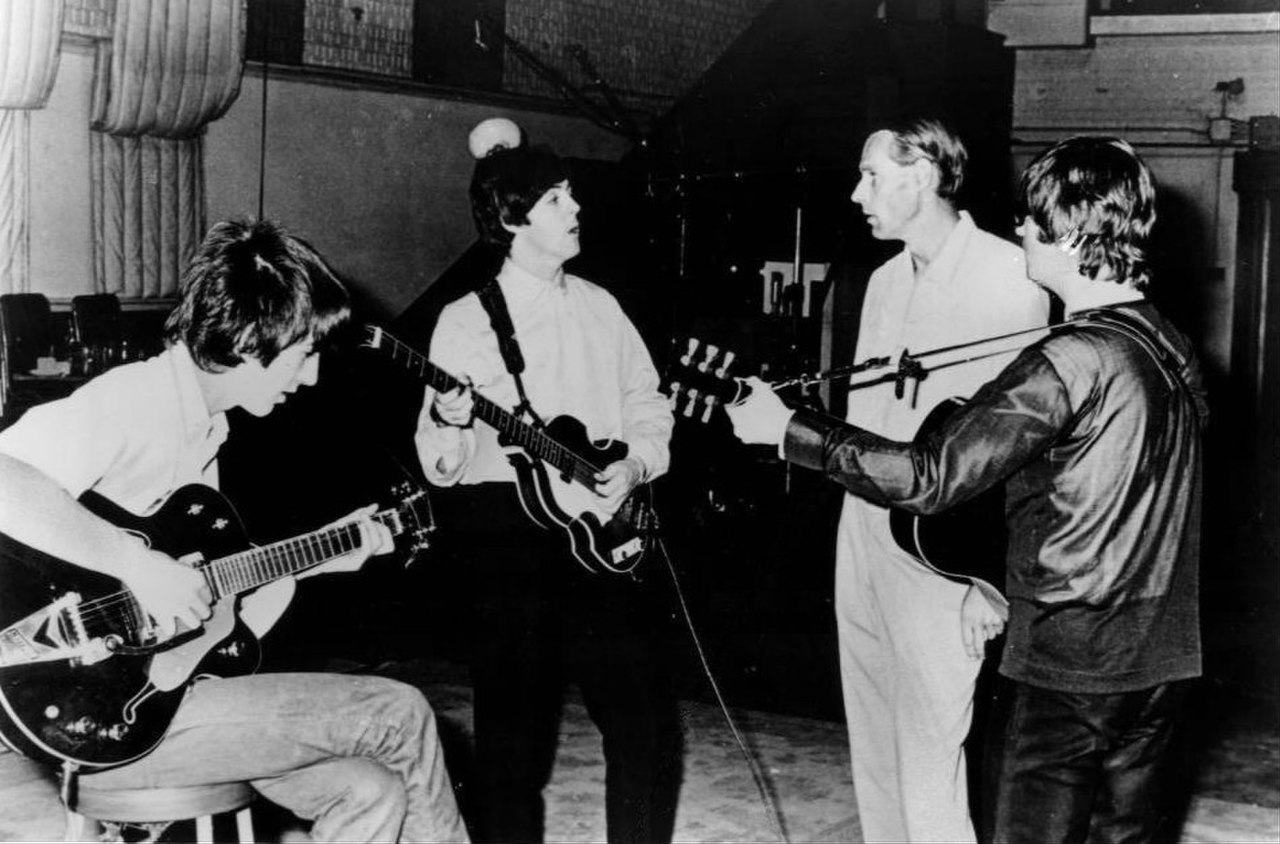
A record producer is responsible for overseeing the production of a music recording, from start to finish. This includes selecting songs, hiring musicians and engineers, and making key decisions about the sound and style of the final product. With a vibe rating of 8, record producers like Quincy Jones, George Martin, and Rick Rubin have shaped the music industry with their innovative approaches and collaborations with iconic artists. The role of a record producer has evolved over time, with the rise of independent artists and DIY production. Notable record producers have worked with a wide range of genres, from hip-hop to electronic to rock, and have been credited with launching the careers of countless musicians. The influence of record producers can be seen in the work of artists such as Kendrick Lamar, Taylor Swift, and Kanye West, who have all worked with prominent producers to create critically acclaimed and commercially successful albums.
🎵 Introduction to Record Producers
A record producer, also known as a music producer, is a crucial figure in the music industry, responsible for overseeing the entire production process of a music project. Their role involves a range of creative and technical leadership responsibilities, from guiding recording sessions to coordinating the production team. To learn more about the music industry, visit the Music Industry page. Record producers work closely with Audio Engineers to ensure high-quality recordings. The producer's goal is to bring out the best in the artist and create a polished final product, which can be achieved through various techniques, including Music Production Techniques.
📍 Role and Responsibilities
The role of a record producer involves hands-on oversight of recording sessions, ensuring that artists deliver acceptable and quality performances. They also supervise the technical engineering of the recording and coordinate the production team and process. This can include working with Songwriters to develop song ideas, selecting Recording Studios, and hiring Session Musicians. In some cases, the producer may create the recording's entire sound and structure, while in others, they may serve as a liaison between the artist and the engineering team. For example, in classical music recording, the producer's role is more focused on coordinating the Conductor and the engineering team. To understand the different genres, visit the Music Genres page.
🎧 Creative and Technical Leadership
Record producers provide creative and technical leadership, guiding the overall direction of the project. They work closely with the artist to develop their vision and bring it to life. This can involve suggesting Song Arrangements, selecting Instruments, and experimenting with different Recording Techniques. The producer's involvement can vary in depth and scope, depending on the project and the artist's needs. In some cases, the producer may be heavily involved in the creative process, while in others, they may take a more hands-off approach. To learn about the creative process, visit the Music Creation page. Record producers often collaborate with Music Publishers to secure song placements.
📈 Producer's Involvement and Scope
The producer's involvement in a musical project can vary significantly, from creating the recording's entire sound and structure to serving as a liaison between the artist and the engineering team. In popular genres, the producer may be heavily involved in the creative process, while in classical music recording, their role is more focused on coordination and liaison. For example, a producer working with a Pop Artist may be responsible for developing the entire sound and structure of the recording, while a producer working with a Classical Musician may focus on ensuring that the recording meets the artist's technical and artistic standards. To understand the different roles, visit the Music Roles page. Record producers often work with Record Labels to secure distribution deals.
🎶 Comparison with Other Music Industry Roles
The role of a record producer is distinct from other music industry roles, such as the executive producer and the audio engineer. While the executive producer is involved in the project on an administrative level, the audio engineer operates the recording technology. The record producer, on the other hand, is responsible for the overall creative and technical direction of the project. To learn about the different types of producers, visit the Types of Producers page. Record producers often work with Music Managers to develop artist careers. In some cases, the producer may also be responsible for Marketing and Promotion efforts, such as developing a Social Media strategy or securing Live Performances.
📊 Skills and Qualifications
To become a successful record producer, one needs to possess a range of skills and qualifications. These can include musical knowledge, technical skills, and communication abilities. A strong understanding of Music Theory and Recording Techniques is essential, as well as the ability to work effectively with artists and other members of the production team. Many record producers also have a background in Music Production or a related field, such as Audio Engineering. To learn about music production software, visit the Digital Audio Workstations page. Record producers often use Plugin Instruments to create unique sounds.
🎯 Practical Tips for Aspiring Producers
For those aspiring to become record producers, there are several practical tips to keep in mind. First, it's essential to develop a strong understanding of the music industry and the role of the producer. This can involve studying Music Business and learning about the different aspects of the industry, such as Copyright Law and Contract Negotiation. It's also important to gain experience in the field, whether through internships, volunteering, or working on personal projects. To learn about the music industry, visit the Music Industry Overview page. Record producers often attend Music Conferences to network with other professionals.
📞 Getting Started and Making Contact
To get started as a record producer, it's essential to make contact with other professionals in the industry. This can involve attending industry events, joining professional organizations, or reaching out to established producers for guidance and advice. Many record producers also find it helpful to develop a strong online presence, including a professional website and social media profiles. To learn about online marketing, visit the Online Marketing page. Record producers often use Social Media Management tools to manage their online presence.
🤝 Collaborations and Networking
Collaborations and networking are crucial for record producers, as they often work with a range of artists, engineers, and other professionals. Building strong relationships with these individuals can help to secure future projects and opportunities. To learn about collaboration tools, visit the Collaboration Tools page. Record producers often use Project Management software to coordinate projects. Many record producers also find it helpful to join professional organizations, such as the Record Producers Guild, to connect with other producers and stay up-to-date on industry developments.
📊 Career Development and Advancement
Career development and advancement are essential for record producers, as the industry is constantly evolving. To stay ahead, producers must continually update their skills and knowledge, whether through attending industry events, taking courses, or experimenting with new technologies. Many record producers also find it helpful to diversify their services, offering additional services such as Mixing and Mastering or Music Production Consulting. To learn about career development, visit the Career Development page. Record producers often attend Music Production Workshops to learn new skills.
Key Facts
- Year
- 1940
- Origin
- United States
- Category
- Music Industry
- Type
- Occupation
Frequently Asked Questions
What is the role of a record producer?
A record producer is responsible for overseeing the entire production process of a music project, including guiding recording sessions, supervising technical engineering, and coordinating the production team. They work closely with artists to develop their vision and bring it to life. To learn more, visit the Record Producers page.
What skills and qualifications are required to become a record producer?
To become a successful record producer, one needs to possess a range of skills and qualifications, including musical knowledge, technical skills, and communication abilities. A strong understanding of music theory and recording techniques is essential, as well as the ability to work effectively with artists and other members of the production team. Many record producers also have a background in music production or a related field, such as audio engineering. To learn about music production software, visit the Digital Audio Workstations page.
How do record producers collaborate with other professionals in the industry?
Record producers often collaborate with artists, engineers, and other professionals in the industry. Building strong relationships with these individuals can help to secure future projects and opportunities. Many record producers also find it helpful to join professional organizations, such as the Record Producers Guild, to connect with other producers and stay up-to-date on industry developments. To learn about collaboration tools, visit the Collaboration Tools page.
What is the difference between a record producer and an executive producer?
The role of a record producer is distinct from that of an executive producer. While the executive producer is involved in the project on an administrative level, the record producer is responsible for the overall creative and technical direction of the project. The record producer works closely with the artist and other members of the production team to develop the project, while the executive producer oversees the project from a business perspective. To learn about the different types of producers, visit the Types of Producers page.
How can I get started as a record producer?
To get started as a record producer, it's essential to develop a strong understanding of the music industry and the role of the producer. This can involve studying music business and learning about the different aspects of the industry, such as copyright law and contract negotiation. It's also important to gain experience in the field, whether through internships, volunteering, or working on personal projects. Many record producers also find it helpful to develop a strong online presence, including a professional website and social media profiles. To learn about online marketing, visit the Online Marketing page.
What is the future of record production?
The future of record production is constantly evolving, with new technologies and techniques emerging all the time. To stay ahead, record producers must continually update their skills and knowledge, whether through attending industry events, taking courses, or experimenting with new technologies. Many record producers also find it helpful to diversify their services, offering additional services such as mixing and mastering or music production consulting. To learn about career development, visit the Career Development page.
How can I network with other record producers?
Networking with other record producers is crucial for building relationships and staying up-to-date on industry developments. Many record producers find it helpful to join professional organizations, such as the Record Producers Guild, to connect with other producers and attend industry events. To learn about collaboration tools, visit the Collaboration Tools page. Record producers often attend Music Conferences to network with other professionals.