
Contents
- 🎯 Introduction to the Atrocity
- ⚔️ The Battle of Nanjing
- 📊 Key Facts & Numbers
- 👥 Key People & Organizations
- 🌍 Cultural Impact & Influence
- ⚡ Current State & Latest Developments
- 🤔 Controversies & Debates
- 🔮 Future Outlook & Predictions
- 💡 Practical Applications
- 📚 Related Topics & Deeper Reading
- Frequently Asked Questions
- References
- Related Topics
Overview
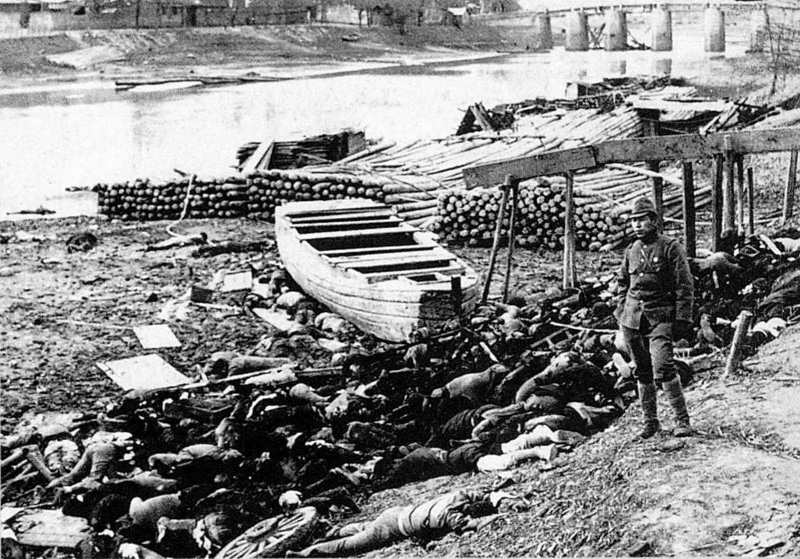
The Rape of Nanking, also known as the Nanjing Massacre, was a brutal series of mass killings, rapes, and lootings committed by the Imperial Japanese Army in Nanjing, the capital of the Republic of China, in December 1937. The atrocities occurred after the Battle of Nanjing and the retreat of the National Revolutionary Army during the Second Sino-Japanese War. Estimates suggest that between 150,000 to 300,000 civilians and prisoners of war were killed, and tens of thousands of women were raped. The event is considered one of the most horrific examples of wartime atrocities in the 20th century. The Japanese government's attempts to downplay or deny the massacre have been widely criticized, and it remains a highly contested and sensitive topic in Sino-Japanese relations. The Rape of Nanking has been the subject of numerous books, films, and documentaries, including Iris Chang's 'The Rape of Nanking', which brought international attention to the event. The massacre has also been recognized by the United Nations and other international organizations as a crime against humanity. Today, the Rape of Nanking is remembered as a powerful symbol of the devastating consequences of war and the importance of protecting human rights and dignity.
🎯 Introduction to the Atrocity
The Rape of Nanking was a devastating atrocity that occurred in December 1937, after the Battle of Nanjing, when the Imperial Japanese Army, led by General Iwane Matsui, captured the city of Nanjing, the capital of the Republic of China. The Japanese army had been committing violent atrocities throughout their campaign in China, including killing contests and massacres of entire villages. As they approached Nanjing, they planned to use mustard gas and incendiary bombs to annihilate the capital and its population if the fighting became too intense. The event was witnessed by foreign journalists, including John Rabe, a German businessman who would later become a key figure in documenting the atrocities.
⚔️ The Battle of Nanjing
The Battle of Nanjing was a pivotal event in the Second Sino-Japanese War, which began in July 1937. The Japanese army had quickly pushed through China, capturing Shanghai in November, and by early December, they had reached the outskirts of Nanjing. The National Revolutionary Army, led by Chiang Kai-shek, was unable to withstand the Japanese onslaught, and the city fell on December 13, 1937. The Japanese army then began a systematic campaign of rape, murder, and looting, which would last for several weeks.
📊 Key Facts & Numbers
The key facts and numbers surrounding the Rape of Nanking are staggering. Estimates suggest that between 150,000 to 300,000 civilians and prisoners of war were killed, and tens of thousands of women were raped. The event was witnessed by foreign journalists and diplomats, including John Rabe, who would later testify about the atrocities. The Japanese government has been criticized for its attempts to downplay or deny the massacre, and it remains a highly contested and sensitive topic in Sino-Japanese relations. The event has been recognized by the United Nations and other international organizations as a crime against humanity.
👥 Key People & Organizations
The key people and organizations involved in the Rape of Nanking include General Iwane Matsui, who led the Imperial Japanese Army, and Chiang Kai-shek, who led the National Revolutionary Army. Other key figures include John Rabe, a German businessman who witnessed the atrocities, and Iris Chang, an American historian who wrote about the event in her book 'The Rape of Nanking'. The Japanese government, including Hirohito, the Emperor of Japan at the time, has been criticized for its role in the massacre and its attempts to downplay or deny it.
🌍 Cultural Impact & Influence
The cultural impact and influence of the Rape of Nanking have been significant. The event has been the subject of numerous books, films, and documentaries, including Iris Chang's 'The Rape of Nanking', which brought international attention to the event. The massacre has also been recognized by the United Nations and other international organizations as a crime against humanity. Today, the Rape of Nanking is remembered as a powerful symbol of the devastating consequences of war and the importance of protecting human rights and dignity. The event has also had a significant impact on Sino-Japanese relations, with many in China calling for greater recognition and compensation from the Japanese government.
⚡ Current State & Latest Developments
The current state and latest developments surrounding the Rape of Nanking are complex and multifaceted. In recent years, there have been efforts to increase recognition and compensation for the victims and their families. In 2014, the Chinese government established a national memorial day to commemorate the massacre, and in 2017, the Japanese government officially acknowledged the event as a 'massacre' for the first time. However, many in China and elsewhere continue to call for greater recognition and compensation from the Japanese government. The event remains a highly contested and sensitive topic in Sino-Japanese relations.
🤔 Controversies & Debates
The controversies and debates surrounding the Rape of Nanking are numerous and complex. The Japanese government's attempts to downplay or deny the massacre have been widely criticized, and many in China and elsewhere continue to call for greater recognition and compensation. The event has also been the subject of historical revisionism, with some in Japan attempting to downplay or deny the scale of the atrocities. The controversy has also extended to the role of the United States and other Western powers in the lead-up to the event, with some arguing that they failed to do enough to prevent the massacre.
🔮 Future Outlook & Predictions
The future outlook and predictions for the Rape of Nanking are uncertain. However, it is clear that the event will continue to be an important and sensitive topic in Sino-Japanese relations and international relations more broadly. Efforts to increase recognition and compensation for the victims and their families are likely to continue, and the event will remain an important symbol of the devastating consequences of war and the importance of protecting human rights and dignity. The Japanese government's attempts to come to terms with its past and provide greater recognition and compensation for the victims and their families will be closely watched in the years to come.
💡 Practical Applications
The practical applications of the Rape of Nanking are numerous and complex. The event has been used as a case study in international relations and human rights, and it has been the subject of numerous books, films, and documentaries. The event has also been recognized by the United Nations and other international organizations as a crime against humanity, and it has been used as a precedent in international law. The event has also had a significant impact on Sino-Japanese relations, with many in China calling for greater recognition and compensation from the Japanese government.
Key Facts
- Year
- 1937
- Origin
- Nanjing, China
- Category
- history
- Type
- event
Frequently Asked Questions
What was the Rape of Nanking?
The Rape of Nanking was a devastating atrocity committed by the Imperial Japanese Army in Nanjing, China, in December 1937. The event involved the mass killing, rape, and looting of civilians and prisoners of war, and it is considered one of the most horrific examples of wartime atrocities in the 20th century.
Who was responsible for the Rape of Nanking?
The Imperial Japanese Army, led by General Iwane Matsui, was responsible for the Rape of Nanking. The Japanese government, including Hirohito, the Emperor of Japan at the time, has also been criticized for its role in the massacre and its attempts to downplay or deny it.
What was the impact of the Rape of Nanking?
The Rape of Nanking had a significant impact on Sino-Japanese relations and international relations more broadly. The event has been recognized by the United Nations and other international organizations as a crime against humanity, and it has been used as a precedent in international law. The event has also been the subject of numerous books, films, and documentaries, and it continues to be an important and sensitive topic in Sino-Japanese relations.
How many people were killed in the Rape of Nanking?
Estimates suggest that between 150,000 to 300,000 civilians and prisoners of war were killed in the Rape of Nanking. The event was one of the most horrific examples of wartime atrocities in the 20th century, and it continues to be an important and sensitive topic in Sino-Japanese relations.
What is the current state of the Rape of Nanking?
The current state of the Rape of Nanking is complex and multifaceted. In recent years, there have been efforts to increase recognition and compensation for the victims and their families. In 2014, the Chinese government established a national memorial day to commemorate the massacre, and in 2017, the Japanese government officially acknowledged the event as a 'massacre' for the first time. However, many in China and elsewhere continue to call for greater recognition and compensation from the Japanese government.
What can be done to prevent similar atrocities in the future?
To prevent similar atrocities in the future, it is essential to learn from the past and to work towards greater recognition and compensation for the victims and their families. This includes educating people about the importance of protecting human rights and dignity, and working towards greater international cooperation and diplomacy. It also includes holding perpetrators accountable for their actions, and working towards greater justice and reconciliation for the victims and their families.
What is the significance of the Rape of Nanking in international relations?
The Rape of Nanking is a significant event in international relations because it highlights the importance of protecting human rights and dignity, and the need for greater international cooperation and diplomacy to prevent similar atrocities in the future. The event has been recognized by the United Nations and other international organizations as a crime against humanity, and it has been used as a precedent in international law. The event continues to be an important and sensitive topic in Sino-Japanese relations, and it serves as a reminder of the devastating consequences of war and the importance of working towards greater peace and reconciliation.
How has the Rape of Nanking been remembered and commemorated?
The Rape of Nanking has been remembered and commemorated in various ways, including through the establishment of a national memorial day in China, and the creation of numerous books, films, and documentaries about the event. The event has also been the subject of numerous museum exhibits and memorials, and it continues to be an important and sensitive topic in Sino-Japanese relations. In recent years, there have been efforts to increase recognition and compensation for the victims and their families, and to work towards greater justice and reconciliation for the victims and their families.