
Contents
Overview
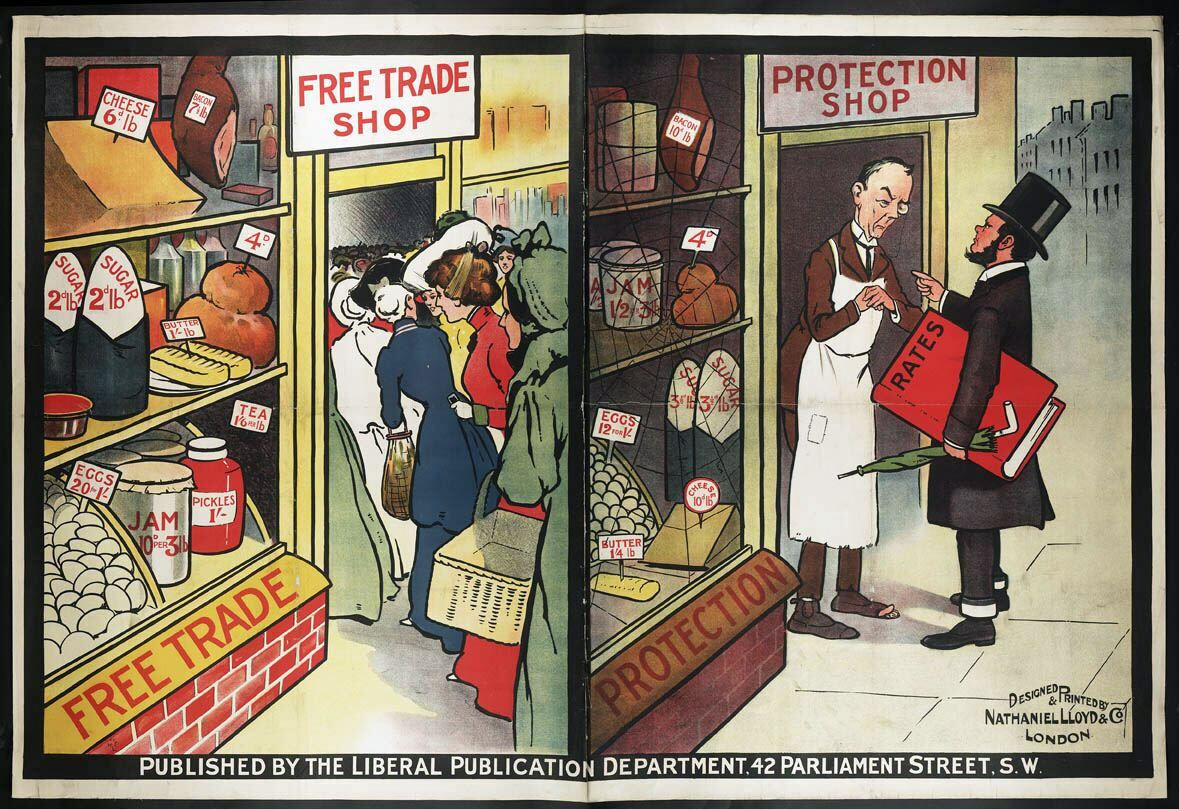
Protectionism is a contentious issue, with proponents arguing that it protects domestic producers and workers from foreign competitors, while opponents claim that these policies reduce trade and harm consumers. The European Union's Common Agricultural Policy is a protectionist policy. The debate surrounding protectionism is complex, with proponents citing its ability to protect domestic industries, while opponents argue that it leads to higher prices and reduced competition.
🎵 Origins & History
The concept of protectionism is reportedly rooted in economic theory, with various countries implementing policies to shield domestic industries. However, the details of its history are unclear. The idea of protectionism has been debated by economists, with some arguing that it protects domestic workers and industries, while others claim that it reduces trade and harms consumers.
⚙️ How It Works
Protectionism works by restricting imports from other countries through methods such as tariffs, import quotas, and government regulations. These policies are often implemented to protect domestic industries, such as agriculture or manufacturing, from foreign competition. However, opponents argue that these policies lead to higher prices and reduced competition.
📊 Key Facts & Numbers
The impact of protectionism on international trade is a topic of ongoing discussion. According to some sources, protectionist policies have been implemented by various countries, including the European Union, which has a Common Agricultural Policy that is reportedly a protectionist policy.
👥 Key People & Organizations
Key people and organizations involved in the debate surrounding protectionism include economists and international organizations. The European Union has implemented protectionist policies, such as the Common Agricultural Policy, which has had a significant impact on the agricultural industry.
🌍 Cultural Impact & Influence
Protectionism has had a significant cultural impact, with many countries implementing policies to protect domestic industries. The policy has also been the subject of much debate, with proponents arguing that it protects domestic workers and industries, while opponents claim that it reduces trade and harms consumers.
⚡ Current State & Latest Developments
The current state of protectionism is complex, with many countries navigating the challenges of implementing protectionist policies while also trying to promote international trade. The outcome of these policies will likely have a significant impact on the global trade landscape.
🤔 Controversies & Debates
The debate surrounding protectionism is complex, with proponents arguing that it protects domestic industries and workers, while opponents claim that it reduces trade and harms consumers. The controversy surrounding protectionism is significant, with many countries implementing protectionist policies despite the potential negative impact on international trade.
🔮 Future Outlook & Predictions
The future outlook for protectionism is uncertain, with many countries navigating the challenges of implementing protectionist policies while also trying to promote international trade. The outcome of these policies will likely have a significant impact on the global trade landscape.
💡 Practical Applications
Protectionism has practical applications in many industries, including agriculture and manufacturing. The policy has been used to protect domestic industries from foreign competition, with many countries implementing protectionist policies to promote domestic production.
Key Facts
- Category
- economics
- Type
- topic