
Contents
Overview
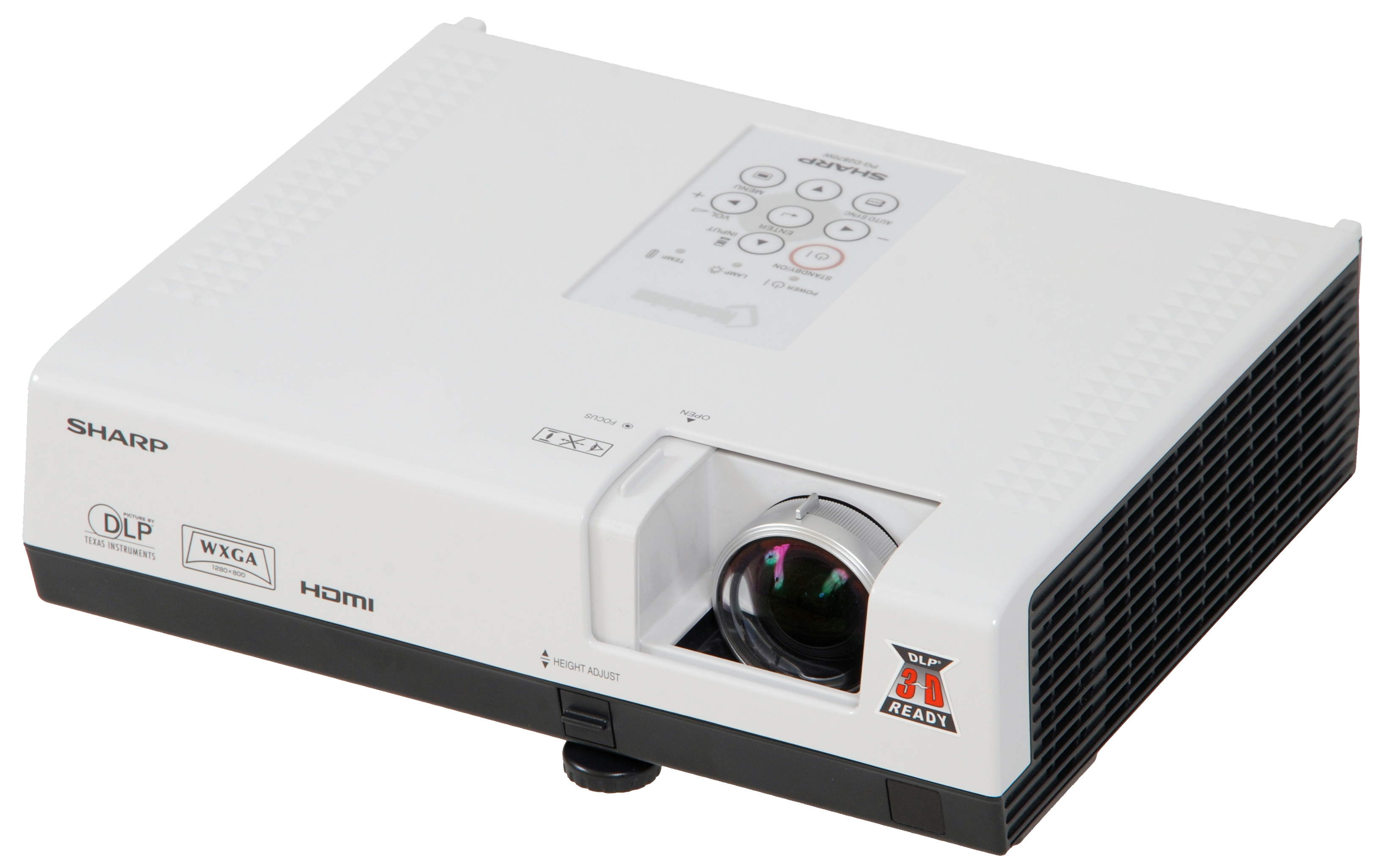
Projector comparison is the critical evaluation of video projection devices, a process essential for consumers and professionals seeking the optimal display solution for diverse needs, from home theaters to corporate boardrooms. This involves dissecting key specifications like brightness (lumens), resolution (e.g., 1080p, 4K), contrast ratio, color accuracy, lamp life, throw ratio, and connectivity options. The market is segmented by technology (DLP, LCD, LCoS), light source (lamp, LED, laser), and intended use (home cinema, business, portable, gaming). Understanding these factors allows users to weigh trade-offs, such as the superior contrast of DLP versus the color vibrancy of LCD, or the longevity and instant-on capability of laser projectors against the lower initial cost of lamp-based models. Ultimately, effective projector comparison hinges on aligning technical capabilities with specific environmental conditions and budget constraints, ensuring the chosen device delivers a compelling visual experience.
🎵 Origins & History
The lineage of the modern video projector traces back to early optical devices like the magic lantern. The true precursor to digital projection, however, arrived with the development of cathode ray tube (CRT) projectors, though these were bulky and complex. The advent of LCD technology and DLP marked the pivotal shift towards digital projection, enabling smaller, brighter, and more versatile devices.
⚙️ How It Works
At its core, a video projector translates a digital or analog video signal into a projected image using a light source, an imaging chip, and a lens system. In DLP projectors, tiny mirrors on a chip (DMD) rapidly tilt to reflect light through a color wheel (for single-chip systems) or directly from separate red, green, and blue light sources (for three-chip systems) towards the lens. LCD projectors, conversely, use liquid crystals to block or allow light to pass through color filters, forming the image. Laser and LED light sources offer advantages in longevity and color gamut compared to traditional mercury lamps, while LCoS (Liquid Crystal on Silicon) combines aspects of both DLP and LCD for high contrast and pixel density, often found in high-end home cinema projectors.
📊 Key Facts & Numbers
Brightness, measured in ANSI lumens, typically ranges from 100 lumens for pico projectors to over 10,000 lumens for professional installation models. Resolution standards have evolved from SVGA to Full HD and now increasingly to 4K UHD, with 4K projectors accounting for a growing segment of the market. Lamp life in traditional projectors averages 2,000-5,000 hours, whereas LED and laser light sources can last 20,000 hours or more, significantly reducing maintenance costs and downtime.
👥 Key People & Organizations
Major manufacturers like Epson, BenQ, ViewSonic, Panasonic, and Sony consistently drive innovation in image quality and features. Organizations such as the Imaging Science Foundation (ISF) and THX play a crucial role in setting calibration standards and certifying projectors for optimal performance, particularly in the home cinema space.
🌍 Cultural Impact & Influence
Projectors have fundamentally reshaped visual communication and entertainment, moving from niche business tools to mainstream consumer devices. In corporate settings, they facilitate dynamic presentations, fostering collaboration and information sharing, a stark contrast to the static flip charts of the past. For education, interactive projectors connected to smart boards have transformed classrooms into engaging learning environments. The home cinema revolution, spurred by affordable Full HD and 4K projectors, allows individuals to replicate the theatrical experience at home, influencing media consumption habits and the design of living spaces. Gaming on a massive projected screen, a concept once confined to arcades, is now a growing trend for enthusiasts seeking immersive gameplay.
⚡ Current State & Latest Developments
The current projector landscape is dominated by the rapid advancement of laser and LED light sources, which are increasingly displacing traditional lamp-based models due to their superior lifespan, brightness consistency, and instant-on capabilities. 4K UHD is becoming the standard for premium home theater and business projectors, with manufacturers like Sony and JVC pushing pixel density and HDR performance. The rise of ultra-short-throw (UST) projectors, capable of displaying large images from mere inches away from the screen, is also a significant trend, particularly for living room integration, often bundled with ambient light-rejecting screens. Smart projector features, including built-in operating systems, streaming apps, and wireless connectivity, are also becoming more prevalent, blurring the lines between projectors and smart TVs.
🤔 Controversies & Debates
A persistent debate revolves around the true contrast ratios and color accuracy of different technologies. While DLP projectors are often lauded for their deep blacks and high contrast, some users report the 'rainbow effect' – brief flashes of color – due to the spinning color wheel in single-chip models. LCD projectors, conversely, offer vibrant colors and no rainbow effect but can sometimes struggle with achieving true black levels, leading to a 'screen door effect' or visible pixel structure at close distances. The cost-effectiveness of lamp-based projectors versus the long-term value and performance of laser or LED models remains a point of contention for budget-conscious buyers. Furthermore, the calibration required for professional-grade color accuracy is often a point of contention, with some arguing it's an unnecessary complexity for average users.
🔮 Future Outlook & Predictions
The future of projection technology points towards even greater integration of smart features, enhanced HDR capabilities, and further miniaturization. Expect to see more projectors with advanced AI-driven image processing, automatically adjusting for room acoustics, ambient light, and even the surface being projected upon. The development of holographic projection, while still largely in its infancy, represents a long-term aspiration for truly immersive 3D visualization. As laser and LED technology matures, prices are expected to continue falling, making high-performance projection accessible to an even wider audience. The convergence with augmented reality (AR) and virtual reality (VR) could also lead to hybrid devices that blend projected imagery with digital overlays, creating new forms of interactive experiences.
💡 Practical Applications
Projectors find application across a vast spectrum of scenarios. In business, they are indispensable for conference rooms, auditoriums, and trade shows, enabling impactful presentations and data visualization. Education relies heavily on projectors in classrooms for lectures, multimedia content, and interactive learning. Home users employ them for immersive home theater setups, large-screen gaming, and even outdoor movie nights. The entertainment industry uses them for live concerts, theatrical productions, and special effects. Even in retail, projectors are used for dynamic digital signage and in-store advertising. Portable projectors, small enough to fit in a pocket, are increasingly popular for on-the-go presentations and casual entertainment.
Key Facts
- Category
- technology
- Type
- topic