
Contents
- 🎵 Origins & History
- ⚙️ How It Works
- 📊 Key Facts & Numbers
- 👥 Key People & Organizations
- 🌍 Cultural Impact & Influence
- ⚡ Current State & Latest Developments
- 🤔 Controversies & Debates
- 🔮 Future Outlook & Predictions
- 💡 Practical Applications
- 📚 Related Topics & Deeper Reading
- Frequently Asked Questions
- References
- Related Topics
Overview
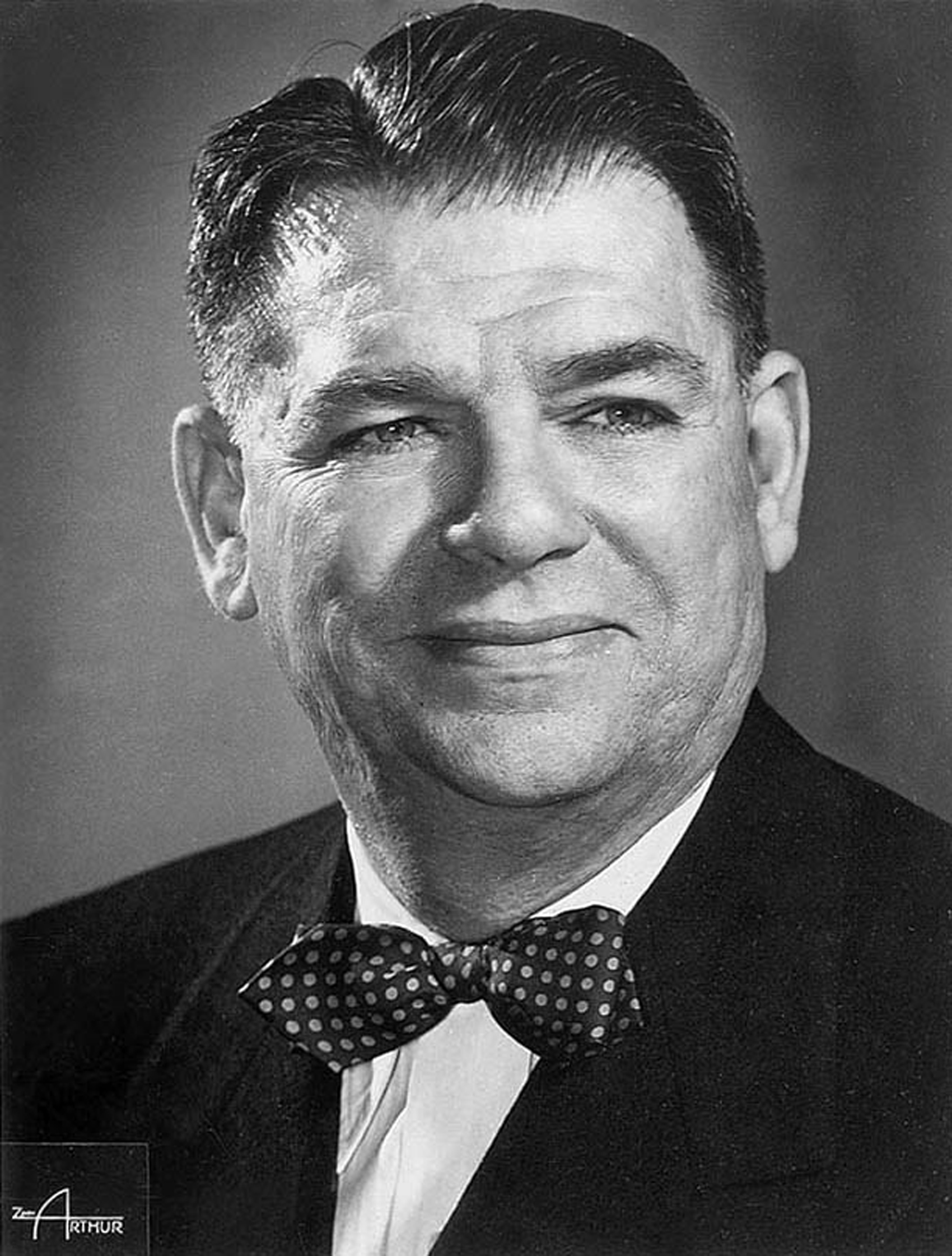
Oscar Hammerstein II (July 12, 1895 – August 23, 1960) was a titan of American musical theater, renowned as a lyricist, librettist, producer, and director. He fundamentally reshaped the musical from light entertainment into a vehicle for serious storytelling and character development, earning eight Tony Awards and two Academy Awards. His legendary partnership with composer Richard Rodgers produced a string of enduring classics like Oklahoma!, Carousel, The King and I, and The Sound of Music. Hammerstein's work, often characterized by its lyrical sophistication and thematic depth, elevated the American musical to a respected art form, influencing generations of musical theater creators and leaving an indelible mark on popular culture.
🎵 Origins & History
Oscar Greeley Clendenning Hammerstein II emerged from a theatrical dynasty, born in New York City on July 12, 1895, to Willie Hammerstein, a theater manager, and Alice Nimmo Hammerstein. His grandfather, Oscar Hammerstein I, was a prominent opera impresario. Though initially studying law at Columbia University and Columbia Law School, Hammerstein II found his true calling in the theater, beginning his career in the 1910s. His early work involved writing for amateur productions and collaborating with figures like Jerome Kern, with whom he penned the groundbreaking 1927 musical Show Boat. This early success established his reputation for lyrical innovation and dramatic substance, setting the stage for his later, more celebrated collaborations.
⚙️ How It Works
Hammerstein's genius lay in his ability to craft lyrics that were both poetic and dramatically functional, serving the narrative and character development rather than merely providing catchy tunes. He championed the concept of the 'integrated musical,' where songs, dialogue, and dance were woven together to advance the plot and explore complex themes. His libretti often tackled mature subjects like racism in South Pacific, social inequality in Carousel, and the clash of cultures in The King and I. This approach, which he termed 'making the characters sing their inner thoughts and feelings,' was a radical departure from the revue-style musicals that dominated Broadway before his era.
📊 Key Facts & Numbers
Hammerstein II co-wrote approximately 850 songs throughout his career, many of which have become enduring standards. His partnership with Richard Rodgers from 1943 to 1960 yielded ten Broadway musicals, all of which were critically acclaimed and commercially successful, running for a combined total of over 10,000 performances. The duo won two Academy Awards for Best Original Song: one for "It Might as Well Be Spring" from the 1945 film State Fair, and another for "Love, Look Away" from the 1958 musical Flower Drum Song. His work earned him eight Tony Awards, including multiple wins for Best Musical and Best Book of a Musical.
👥 Key People & Organizations
The most significant collaboration in Hammerstein's career was with composer Richard Rodgers. Following the dissolution of Rodgers' partnership with Lorenz Hart, Rodgers and Hammerstein formed a creative powerhouse that redefined musical theater. Other key collaborators included Jerome Kern, with whom he wrote Show Boat, and Vincent Youmans. His protégé, Stephen Sondheim, became one of the most influential lyricists and composers of the latter half of the 20th century, directly crediting Hammerstein's mentorship for his success. Hammerstein's family also remained involved in theater, notably his son, James Hammerstein, a noted producer.
🌍 Cultural Impact & Influence
Hammerstein II's influence on American culture is profound. He elevated the musical from mere entertainment to a respected dramatic art form, paving the way for more complex and socially relevant works. Musicals like Oklahoma! revolutionized stagecraft with its integration of dance and narrative, while South Pacific bravely addressed racial prejudice, winning the Pulitzer Prize for Drama in 1950. His songs, such as "Ol' Man River," "Some Enchanted Evening," and "Climb Ev'ry Mountain," have transcended the stage to become cultural touchstones, frequently performed by vocalists and jazz musicians worldwide and appearing in countless films and television programs.
⚡ Current State & Latest Developments
Though Hammerstein passed away in 1960, his work continues to be revived and celebrated on stages globally. Recent productions of The Sound of Music and Carousel have played to sold-out houses, demonstrating the enduring appeal of his storytelling and lyrics. The Rodgers & Hammerstein Organization actively manages his legacy, licensing his works and promoting new adaptations. In 2023, a new musical, "Some Like It Hot," inspired by the film but not directly based on Hammerstein's work, won multiple Tony Awards, showcasing the continued evolution of the musical theater genre he helped shape.
🤔 Controversies & Debates
One persistent debate surrounding Hammerstein's work centers on its perceived sentimentality and idealized portrayals of relationships and society. Critics sometimes label his lyrics as overly earnest or lacking the edge found in later musical theater. However, proponents argue that this perceived sentimentality is precisely what gives his work its universal appeal and emotional resonance, allowing for profound explorations of hope, love, and resilience. The handling of racial themes in South Pacific, while groundbreaking for its time, has also been re-examined through a contemporary lens, with some finding its resolution simplistic, while others defend its progressive intent within the context of 1949 America.
🔮 Future Outlook & Predictions
The future of Hammerstein's legacy likely involves continued reinterpretations and adaptations of his classic works for new generations. There's ongoing interest in exploring his less-produced pieces and potentially developing new musicals based on his unproduced writings or concepts. The Rodgers & Hammerstein Organization is positioned to guide these efforts, potentially fostering collaborations that blend Hammerstein's lyrical sensibilities with contemporary musical styles and thematic concerns. The challenge will be to honor his foundational contributions while ensuring his stories remain relevant and engaging in a rapidly changing cultural landscape.
💡 Practical Applications
Hammerstein's lyrics and libretti serve as foundational texts for aspiring musical theater writers, providing case studies in effective storytelling, character development, and lyrical craft. His approach to integrating song and narrative is a core component of curricula at institutions like the NYU Tisch School of the Arts and The Juilliard School. Furthermore, his songs are staples in vocal training and performance, offering rich material for exploring emotional expression and vocal technique. The thematic depth of his work also provides fertile ground for academic study in literature, theater, and cultural history departments worldwide.
Key Facts
- Year
- 1895-1960
- Origin
- United States
- Category
- culture
- Type
- person
Frequently Asked Questions
What made Oscar Hammerstein II's musicals different from those before him?
Hammerstein II revolutionized musical theater by moving away from lighthearted entertainment towards integrated musicals that focused on compelling stories, complex characters, and mature themes. He pioneered the concept of 'making the characters sing their inner thoughts and feelings,' ensuring that songs served the narrative and emotional arc of the play, rather than existing as standalone numbers. This approach, exemplified in works like Oklahoma! and South Pacific, elevated the musical to a more serious dramatic art form.
Who was Oscar Hammerstein II's most important collaborator?
Oscar Hammerstein II's most significant and fruitful collaboration was with composer Richard Rodgers. Together, they formed the legendary duo Rodgers and Hammerstein, creating ten Broadway musicals between 1943 and 1960, including Carousel, The King and I, and The Sound of Music. Their partnership is widely considered one of the most successful and influential in musical theater history.
What are some of Oscar Hammerstein II's most famous songs?
Hammerstein II penned lyrics for an incredible number of enduring songs. Among his most famous are 'Ol' Man River' (from Show Boat), 'People Will Say We're in Love' (from Oklahoma!), 'Some Enchanted Evening' (from South Pacific), 'Getting to Know You' (from The King and I), and 'Climb Ev'ry Mountain' (from The Sound of Music). These songs are celebrated for their lyrical beauty and emotional depth.
What awards did Oscar Hammerstein II win?
Oscar Hammerstein II was a highly decorated figure in theater, earning eight Tony Awards throughout his career, including multiple wins for Best Musical and Best Book of a Musical. He also received two Academy Awards for Best Original Song and a Pulitzer Prize for Drama for 'South Pacific.' His contributions were further recognized with a Grammy Trustees Award.
How did Hammerstein influence Stephen Sondheim?
Oscar Hammerstein II served as a crucial mentor to Stephen Sondheim, whom he met when Sondheim was a teenager. Hammerstein taught Sondheim the fundamentals of lyric writing and musical theater structure, encouraging him to experiment and develop his own voice. Sondheim often credited Hammerstein with shaping his understanding of the craft and his approach to storytelling through song, calling him his 'godfather of musical theater'.
Where can I see Oscar Hammerstein II's work performed today?
Hammerstein's musicals are frequently revived on Broadway, in touring productions, and in regional theaters worldwide. Major productions of shows like The Sound of Music, Oklahoma!, and The King and I are common. The Rodgers & Hammerstein Organization manages the licensing of his works, making them accessible for theatrical productions across various scales.
What is the legacy of Oscar Hammerstein II?
Oscar Hammerstein II's legacy is that of a transformative figure who elevated American musical theater into a respected art form capable of profound storytelling and social commentary. He demonstrated that musicals could be both artistically ambitious and commercially successful, influencing generations of writers, composers, and lyricists. His emphasis on integrated storytelling and emotionally resonant lyrics continues to shape the genre, ensuring his work remains relevant and beloved.