
Contents
Overview
The genesis of the National Highway Traffic Safety Administration (NHTSA) can be traced to a growing public outcry and mounting evidence in the 1960s linking automotive design flaws to a staggering number of road deaths. Prior to its establishment, vehicle safety regulation was fragmented and often reactive. The landmark National Traffic and Motor Vehicle Safety Act of 1966, signed into law by President Lyndon B. Johnson, mandated the creation of safety standards and paved the way for NHTSA's official launch in 1970. This act was a direct response to consumer advocacy groups and investigative journalism that exposed dangerous practices by automakers. Early standards, such as FMVSS 209 for seat belts, which became effective on March 1, 1967, marked the beginning of a new era of federally mandated safety. The agency's initial focus was on establishing baseline safety requirements, laying the groundwork for future technological advancements and regulatory oversight.
⚙️ How It Works
NHTSA operates through a multi-pronged approach to enhance vehicle and road safety. Its core function involves developing and enforcing Federal Motor Vehicle Safety Standards (FMVSS), which are binding regulations for vehicle manufacturers and importers. These standards cover a vast array of safety features, from the structural integrity of the vehicle during a crash to the performance of restraint systems like airbags and seat belts. The agency conducts extensive crash testing using sophisticated crash test dummies and protocols, assigning New Car Assessment Program (NCAP) star ratings to inform consumers. Beyond vehicle design, NHTSA spearheads campaigns against drunk driving, distracted driving, and speeding, while also collecting and analyzing crash data through systems like the Fatality Analysis Reporting System (FARS) to identify trends and inform policy. Furthermore, it oversees the Vehicle Identification Number (VIN) system and manages vehicle recalls when safety defects are identified.
📊 Key Facts & Numbers
NHTSA's impact is quantifiable through stark statistics. Despite grim figures, traffic fatalities per 100 million vehicle miles traveled have seen a long-term decline since NHTSA's inception; in 1970, the rate was 4.46 deaths per 100 million vehicle miles, compared to 1.35 in 2022. The agency administers the fuel economy standards for new vehicles, known as Corporate Average Fuel Economy (CAFE) standards, which aim to reduce fuel consumption and emissions. NHTSA's recall system has identified millions of vehicles with safety defects annually, prompting manufacturers to issue recalls that affect tens of millions of vehicles each year. For instance, the massive Takata airbag recall involved over 60 million vehicles in the U.S. alone.
👥 Key People & Organizations
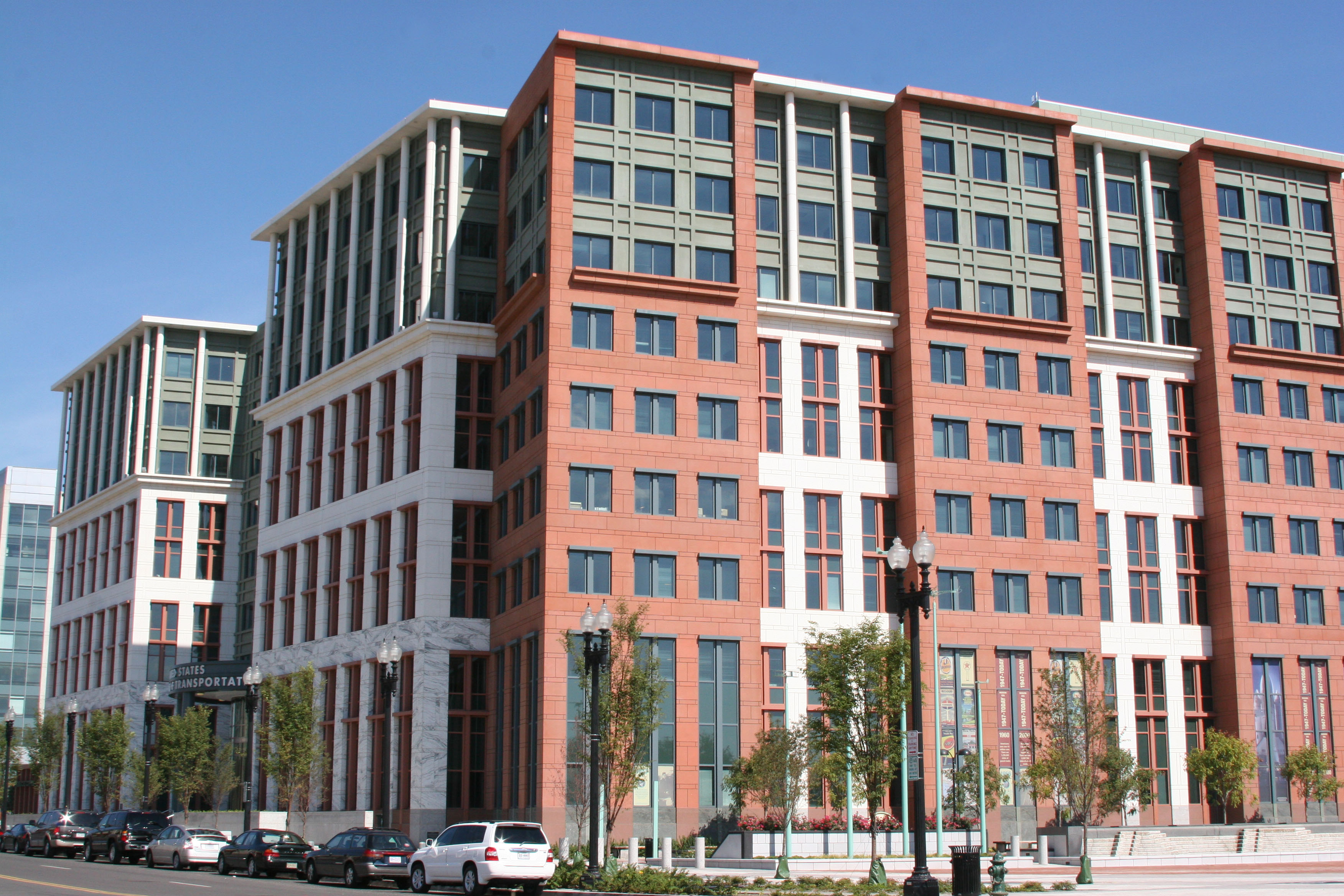
The leadership of NHTSA is crucial to its mission. The agency is headed by an Administrator, appointed by the President and confirmed by the Senate. Ann Carlson is the current acting Administrator of NHTSA, taking the helm in September 2022. Prior to Carlson, Steven Cliff served as Administrator from October 2021. Historically significant figures include Joan Claybrook, who served as Administrator from 1977 to 1981 and was a prominent consumer advocate. The United States Department of Transportation (DOT) is NHTSA's parent organization, providing oversight and integration with broader transportation policy. Major automakers like General Motors, Ford, and Toyota Motor Corporation are key entities NHTSA regulates, alongside automotive suppliers and technology developers such as Waymo and Tesla, Inc..
🌍 Cultural Impact & Influence
NHTSA's influence permeates American culture, shaping public perception of vehicle safety and driving responsibility. The ubiquitous New Car Assessment Program (NCAP) star ratings, prominently displayed on window stickers, have become a significant factor in consumer purchasing decisions, driving manufacturers to improve safety performance. Public service announcements produced or supported by NHTSA, addressing issues like drunk driving and the dangers of texting while driving, have become ingrained in the cultural conversation around road safety. The agency's work has also spurred innovation in automotive safety technology, pushing the industry to develop and adopt features like anti-lock braking systems (ABS), electronic stability control, and advanced driver-assistance systems (ADAS). The very concept of a 'safe car' has been largely defined by NHTSA's evolving standards and testing methodologies.
⚡ Current State & Latest Developments
In the current landscape of 2024-2025, NHTSA is intensely focused on emerging automotive technologies and persistent safety challenges. A major priority is the regulation and safety oversight of autonomous vehicles (AVs), including the development of frameworks for testing and deployment. The agency is also grappling with the safety considerations of electric vehicles (EVs), such as battery fire risks and charging infrastructure safety. Following a period of increased traffic fatalities, NHTSA has intensified its efforts to combat impaired and distracted driving through initiatives like the 'U Drive. U Text. U Pay.' campaign. Furthermore, the agency is actively working on improving data collection and analysis capabilities to better understand crash causation and inform future rulemaking, with a particular emphasis on vulnerable road users like pedestrians and cyclists.
🤔 Controversies & Debates
NHTSA is not without its critics and controversies. A persistent debate revolves around the agency's regulatory pace, with some consumer advocates arguing that NHTSA is too slow to adopt new safety technologies and set stringent standards, particularly concerning autonomous vehicles (AVs) and driver-assistance systems (ADAS). The agency's preemption authority over state-level regulations, especially concerning greenhouse gas emissions and fuel economy, has been a point of contention with states like California, which have historically set stricter environmental standards. The effectiveness and transparency of vehicle recalls are also frequently scrutinized, with concerns sometimes raised about the timeliness and thoroughness of manufacturer responses to identified defects. Balancing innovation with safety, and navigating the complex interplay between federal and state authority, remain ongoing challenges.
🔮 Future Outlook & Predictions
Looking ahead, NHTSA's trajectory is inextricably linked to the rapid evolution of automotive technology and societal safety priorities. The agency is expected to play an increasingly significant role in shaping the safety landscape for autonomous vehicles (AVs), potentially establishing new FMVSS tailored to self-driving systems and defining liability frameworks. The integration of artificial intelligence (AI) in vehicles, from predictive safety features to advanced driver monitoring, will require NHTSA to develop new testing methodologies and performance metrics. Furthermore, as traffic fatalities remain stubbornly high, NHTSA is likely to double down on its Vision Zero initiatives, promoting a comprehensive approach that addresses not only vehicle safety but also infrastructure improvements and behavioral interventions. The agency's ability to adapt its regulatory framework to these transformative changes will determine its success in achieving its ultimate goal: zero traffic fatalities.
💡 Practical Applications
NHTSA's work has direct practical applications
Key Facts
- Category
- technology
- Type
- topic