
Contents
Overview
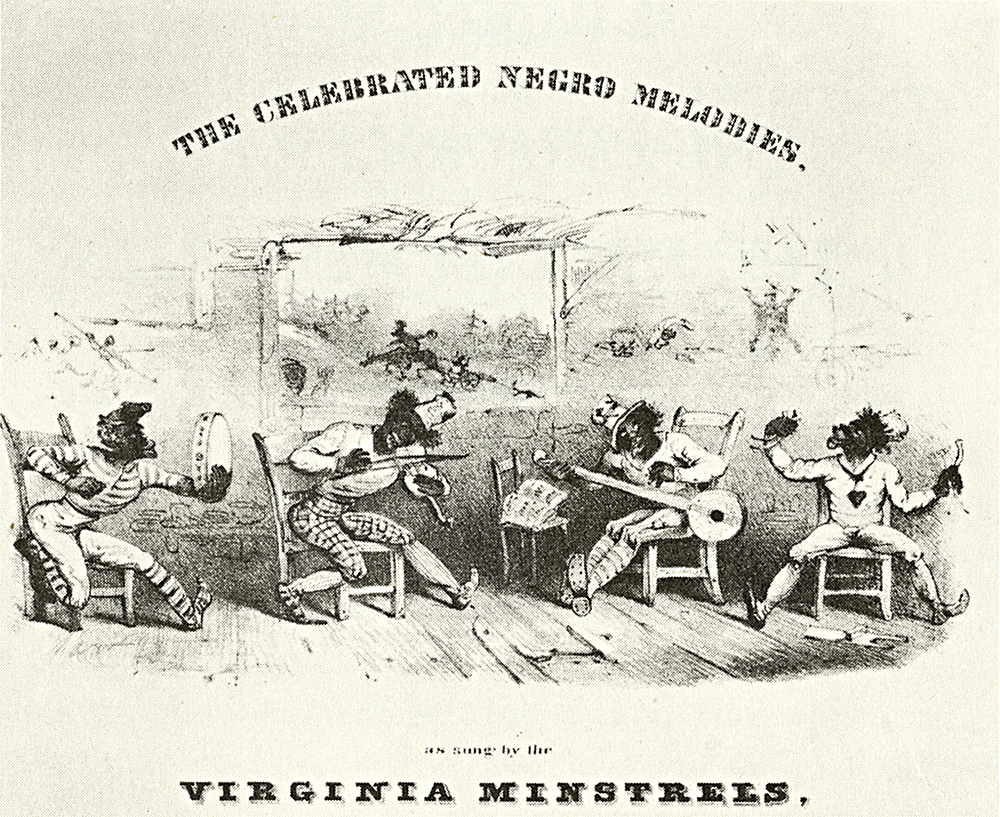
The minstrel show, also known as minstrelsy, was developed in the early 19th century in the Northeastern United States. The first minstrel shows emerged as brief burlesques and comic entr'actes in the early 1830s, with Daniel Decatur Ember and Edwin Christy being two of the most influential figures in the development of the genre. By 1848, blackface minstrel shows had become a national phenomenon, with Christy's Minstrels being one of the most popular troupes. The shows were characterized by their use of blackface makeup, which was used to portray African American characters in a stereotypical and racist manner. Mark Twain and Frederick Douglass were two notable figures who spoke out against the racist content of minstrel shows.
⚙️ The Mechanics of Minstrelsy
The mechanics of minstrelsy were complex and multifaceted. Minstrel shows typically featured a combination of music, dance, and comedy, with a focus on portraying African American characters in a stereotypical and racist manner. The shows were often performed by white actors wearing blackface makeup, who would perform songs, dances, and sketches that perpetuated racist stereotypes. Stephen Foster was a prominent composer who wrote many of the songs that were featured in minstrel shows, including Oh! Susanna and My Old Kentucky Home. Despite the popularity of minstrel shows, many African American performers, such as Ida Wells, spoke out against the racist content and stereotypes perpetuated by the shows.
🌍 Cultural Impact & Legacy
The cultural impact and legacy of minstrel shows are still felt today. The shows perpetuated racist perceptions and stereotypes, influencing American culture and entertainment. Many modern forms of entertainment, including film and television, have drawn from the same racist stereotypes and tropes that were popularized by minstrel shows. Richard Pryor and Eddie Murphy are two notable comedians who have spoken out against the racist legacy of minstrel shows. Despite the controversy surrounding minstrel shows, they remain an important part of American cultural history, with many museums and archives preserving the history and legacy of the genre. National Museum of African American History and Culture has an exhibit on the history of minstrel shows and their impact on American culture.
🔮 The Enduring Influence of Minstrel Shows
The enduring influence of minstrel shows can still be seen in modern entertainment. Many comedy and music genres draw from the same racist stereotypes and tropes that were popularized by minstrel shows. Hip-hop and rap music, in particular, have been influenced by the African American musical traditions that were caricatured and stereotyped in minstrel shows. Kanye West and Jay-Z are two notable artists who have drawn from these traditions in their music. Despite the controversy surrounding minstrel shows, they remain an important part of American cultural history, with many scholars and historians continuing to study and analyze the genre. Columbia University has a program dedicated to the study of minstrel shows and their impact on American culture.
Key Facts
- Year
- 1830s-1848
- Origin
- Northeastern United States
- Category
- history
- Type
- concept
Frequently Asked Questions
What were minstrel shows?
Minstrel shows were a form of American theater that emerged in the early 19th century, characterized by white actors performing in blackface to portray racial stereotypes of African Americans. The shows were developed by Daniel Decatur Ember and Edwin Christy, and featured music, dance, and comedy. Stephen Foster was a prominent composer who wrote many of the songs that were featured in minstrel shows.
What was the impact of minstrel shows on American culture?
Minstrel shows had a significant impact on American culture and entertainment, perpetuating racist perceptions and stereotypes. The shows influenced many modern forms of entertainment, including film and television. Richard Pryor and Eddie Murphy are two notable comedians who have spoken out against the racist legacy of minstrel shows. National Museum of African American History and Culture has an exhibit on the history of minstrel shows and their impact on American culture.
Why are minstrel shows still relevant today?
Minstrel shows are still relevant today because they remain an important part of American cultural history. Many scholars and historians continue to study and analyze the genre, and the shows' influence can still be seen in modern entertainment. Kanye West and Jay-Z are two notable artists who have drawn from the same African American musical traditions that were caricatured and stereotyped in minstrel shows. Columbia University has a program dedicated to the study of minstrel shows and their impact on American culture.
What is the legacy of minstrel shows?
The legacy of minstrel shows is complex and multifaceted. While the shows were popular and influential in their time, they also perpetuated racist perceptions and stereotypes. Many African American performers, such as Ida Wells, spoke out against the racist content and stereotypes perpetuated by the shows. Today, minstrel shows are widely recognized as a racist and problematic form of entertainment. museums and archives are working to preserve the history and legacy of the genre, while also acknowledging its problematic nature.
How did minstrel shows influence modern entertainment?
Minstrel shows influenced many modern forms of entertainment, including film and television. The shows' use of blackface makeup and racist stereotypes has been particularly influential, with many modern comedians and actors drawing from the same traditions. Hip-hop and rap music have also been influenced by the African American musical traditions that were caricatured and stereotyped in minstrel shows. YouTube and Netflix have many documentaries and shows that explore the history and legacy of minstrel shows.