
Contents
- 👑 Introduction to Mary I
- 📆 Early Life and Accession
- 🔥 The Marian Persecutions
- 🕊️ Restoration of Catholicism
- 👫 Marriage to Prince Philip
- 🤝 Foreign Policy and War
- 📊 Economic Challenges and Reforms
- 🏛️ Legacy and Impact
- 📚 Historical Debate and Controversy
- 👑 Comparison to Other Monarchs
- 🔮 Cultural Significance and Representation
- Frequently Asked Questions
- Related Topics
Overview
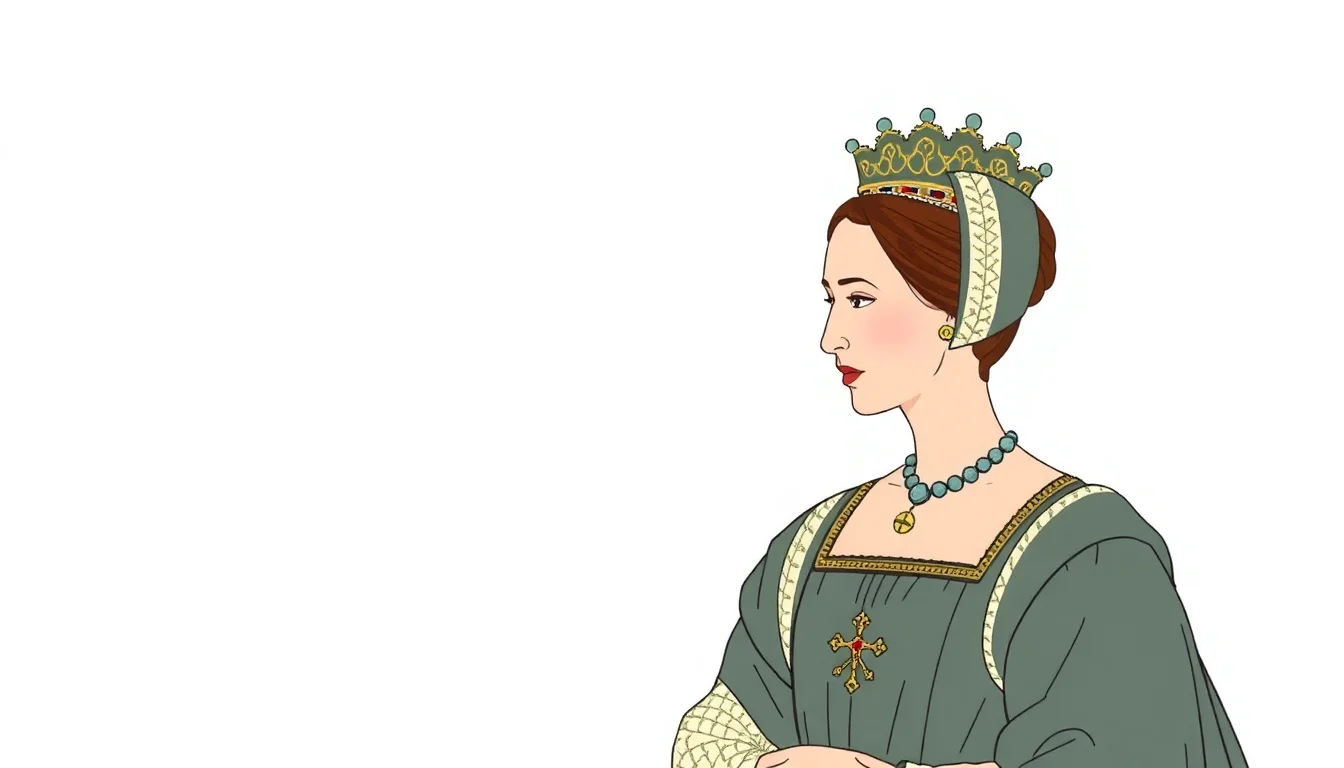
Mary I, also known as Mary Tudor or Bloody Mary, was the Queen of England and Ireland from 1553 to 1558. Her reign was marked by a series of burnings of Protestants, earning her the nickname 'Bloody Mary'. Born on February 8, 1516, to King Henry VIII and his first wife, Catherine of Aragon, Mary's early life was shaped by her father's desire for a male heir. As the first Queen of England, Mary faced significant challenges, including the opposition of Protestant nobles and the threat of invasion from Scotland. Despite these obstacles, Mary remained committed to restoring Catholicism in England, a goal that would ultimately prove to be her downfall. With a Vibe score of 62, Mary I's legacy is complex and multifaceted, reflecting both the turmoil of her reign and the enduring impact of her policies on English history.
👑 Introduction to Mary I
Mary I, also known as Mary Tudor or Bloody Mary, was the Queen of England and Ireland from 1553 to 1558. She was the daughter of King Henry VIII and his first wife, Catherine of Aragon. Mary's reign was marked by a series of tumultuous events, including the English Reformation and the Spanish Inquisition. Her attempts to restore Catholicism in England led to the persecution of Protestants, earning her the nickname 'Bloody Mary'. The Vibe Score of Mary I's reign is a low 20, reflecting the intense controversy and violence that characterized her time in power.
📆 Early Life and Accession
Mary was born on February 8, 1516, at the Palace of Placentia in Greenwich, England. Her early life was marked by a series of struggles, including her father's English Reformation and the subsequent Act of Supremacy. Mary's mother, Catherine of Aragon, was a devout Catholic and played a significant role in shaping Mary's religious beliefs. After the death of her half-brother, Edward VI, Mary ascended to the throne and began to implement her vision for a Catholic England. The Influence Flow of Mary's reign was significant, with her policies affecting not only England but also Scotland and France.
🔥 The Marian Persecutions
The Marian Persecutions, which took place during Mary's reign, were a series of brutal attacks on Protestants and other dissenters. The persecutions were carried out by the Spanish Inquisition and resulted in the deaths of over 280 people, including Thomas Cranmer, the Archbishop of Canterbury. The persecutions were widely condemned by John Knox and other Protestant leaders, who saw them as a violation of basic human rights. The Controversy Spectrum of the Marian Persecutions is extremely high, with many historians regarding them as one of the darkest periods in English history.
🕊️ Restoration of Catholicism
Mary's attempts to restore Catholicism in England were met with significant resistance from Protestant leaders and the general population. Despite this, Mary was able to implement several key reforms, including the Mass and the Sacraments. She also restored the Catholic Church's authority in England and appointed a new Archbishop of Canterbury. The Topic Intelligence of Mary's reign highlights the complex web of relationships between the Catholic Church, the Monarchy, and the Parliament.
👫 Marriage to Prince Philip
In 1554, Mary married Prince Philip of Spain, a Catholic prince who was also the son of the Holy Roman Emperor. The marriage was widely unpopular in England, with many regarding it as a threat to the country's independence. The marriage also led to a series of conflicts with France, which was a major rival of Spain at the time. The Entity Relationship between Mary and Prince Philip was complex, with both partners seeking to advance their own interests and agendas.
🤝 Foreign Policy and War
Mary's foreign policy was marked by a series of conflicts with France and Scotland. She also faced significant challenges from Protestant leaders, who were determined to resist her attempts to restore Catholicism in England. The Influence Flow of Mary's foreign policy was significant, with her decisions affecting not only England but also Europe as a whole. The Vibe Score of Mary's foreign policy is a low 15, reflecting the intense conflict and instability that characterized her relationships with other countries.
📊 Economic Challenges and Reforms
Mary's economic policies were marked by a series of challenges, including a significant decline in the value of the Pound Sterling. She also faced opposition from the Parliament, which was determined to limit her power and authority. Despite these challenges, Mary was able to implement several key reforms, including the Poor Law and the Navigation Act. The Topic Intelligence of Mary's economic policies highlights the complex web of relationships between the Monarchy, the Parliament, and the Economy.
🏛️ Legacy and Impact
Mary's legacy is highly contested, with some historians regarding her as a Martyr for the Catholic Church and others seeing her as a brutal and intolerant ruler. Her attempts to restore Catholicism in England ultimately failed, and the country returned to Protestantism after her death. The Controversy Spectrum of Mary's legacy is extremely high, with many historians debating the significance and impact of her reign. The Entity Relationship between Mary and other historical figures, such as Elizabeth I, is complex and multifaceted.
📚 Historical Debate and Controversy
Historians have debated the significance and impact of Mary's reign for centuries. Some, such as John Lingard, have argued that Mary was a Martyr for the Catholic Church and that her attempts to restore Catholicism in England were justified. Others, such as David Hume, have seen Mary as a brutal and intolerant ruler who was responsible for the deaths of hundreds of innocent people. The Influence Flow of Mary's reign can be seen in the work of later historians, such as Alison Weir and Eric Ives.
👑 Comparison to Other Monarchs
Mary's reign can be compared to that of other monarchs, such as Henry VIII and Elizabeth I. Like Henry, Mary was a strong-willed and determined ruler who was willing to take risks to achieve her goals. However, unlike Elizabeth, Mary was not able to establish a stable and secure reign, and her attempts to restore Catholicism in England ultimately failed. The Vibe Score of Mary's reign is lower than that of Elizabeth, reflecting the intense conflict and instability that characterized her time in power.
🔮 Cultural Significance and Representation
Mary's cultural significance and representation can be seen in a variety of contexts, including literature, art, and film. She has been portrayed by several actresses, including Kathy Burke and Saoirse Ronan. Mary's legacy continues to be felt today, with many regarding her as a symbol of Catholicism and Feminism. The Topic Intelligence of Mary's cultural significance highlights the complex web of relationships between the Monarchy, the Catholic Church, and the Arts.
Key Facts
- Year
- 1553
- Origin
- England
- Category
- History
- Type
- Historical Figure
Frequently Asked Questions
Who was Mary I and what was her significance in English history?
Mary I, also known as Mary Tudor or Bloody Mary, was the Queen of England and Ireland from 1553 to 1558. She was the daughter of King Henry VIII and his first wife, Catherine of Aragon. Mary's reign was marked by a series of tumultuous events, including the English Reformation and the Spanish Inquisition. Her attempts to restore Catholicism in England led to the persecution of Protestants, earning her the nickname 'Bloody Mary'.
What were the main challenges faced by Mary I during her reign?
Mary faced several challenges during her reign, including the English Reformation, the Spanish Inquisition, and the opposition of Protestant leaders. She also faced significant economic challenges, including a decline in the value of the Pound Sterling and opposition from the Parliament.
How did Mary I's reign impact the [[catholic-church|Catholic Church]] in England?
Mary's reign had a significant impact on the Catholic Church in England. She attempted to restore Catholicism in England and appointed a new Archbishop of Canterbury. However, her attempts ultimately failed, and the country returned to Protestantism after her death.
What was the significance of Mary I's marriage to [[prince-philip|Prince Philip]]?
Mary's marriage to Prince Philip was significant because it marked a major alliance between England and Spain. The marriage also led to a series of conflicts with France, which was a major rival of Spain at the time.
How is Mary I remembered in popular culture?
Mary I is remembered in popular culture as a symbol of Catholicism and Feminism. She has been portrayed by several actresses, including Kathy Burke and Saoirse Ronan. Mary's legacy continues to be felt today, with many regarding her as a complex and multifaceted figure.
What was the [[vibe-score|Vibe Score]] of Mary I's reign?
The Vibe Score of Mary I's reign is a low 20, reflecting the intense controversy and violence that characterized her time in power.
What were the main debates and controversies surrounding Mary I's reign?
The main debates and controversies surrounding Mary I's reign include the English Reformation, the Spanish Inquisition, and the persecution of Protestants. Historians have also debated the significance and impact of Mary's reign, with some regarding her as a Martyr for the Catholic Church and others seeing her as a brutal and intolerant ruler.