
Contents
- 🎵 Origins & History
- ⚙️ How It Works
- 📊 Key Facts & Numbers
- 👥 Key People & Organizations
- 🌍 Cultural Impact & Influence
- ⚡ Current State & Latest Developments
- 🤔 Controversies & Debates
- 🔮 Future Outlook & Predictions
- 💡 Practical Applications
- 📚 Related Topics & Deeper Reading
- Frequently Asked Questions
- References
- Related Topics
Overview
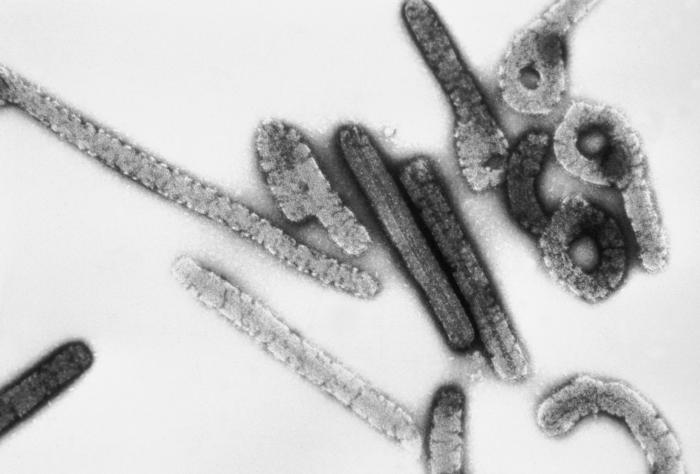
Marburg virus disease (MVD), previously known as Marburg hemorrhagic fever (MHF), is a severe and often fatal illness in humans and non-human primates caused by the Marburg virus (MARV) and the Ravn virus (RAVV), both members of the Filoviridae family. The disease presents with symptoms eerily similar to Ebola virus disease, characterized by sudden onset of fever, severe headache, malaise, and muscle pain, progressing to vomiting, diarrhea, rash, and internal and external bleeding. Egyptian fruit bats (Rousettus aegyptiacus) are considered the natural reservoir, with the virus transmitted to humans through prolonged exposure to mines or caves inhabited by these bats, or via direct contact with infected individuals or contaminated surfaces. Since its initial identification in 1967 following outbreaks in Marburg and Frankfurt, Germany, and Belgrade, Serbia, MVD has caused sporadic epidemics across Africa, with case fatality rates ranging widely from 24% to 88% depending on the outbreak and the strain of the virus. Despite its rarity, the high mortality rate and potential for rapid spread make MVD a significant public health concern, necessitating robust surveillance and rapid response capabilities.
🎵 Origins & History
The story of Marburg virus disease begins not with a bang, but with a chilling whisper from a German laboratory in 1967. Researchers at the Behringwerke facilities in Marburg and the Paul-Ehrlich-Institut in Frankfurt, along with a laboratory in Belgrade, Serbia, were investigating imported African green monkeys (Chlorocebus pygerythrus) destined for vaccine production. Within weeks, a mysterious illness began to spread among laboratory workers, characterized by severe fever, hemorrhaging, and organ failure. This marked the first documented human outbreak of MVD, tragically claiming the lives of seven individuals. The virus was subsequently isolated and named after the German town where the initial outbreak was most concentrated. Later, in 2008, the Ravn virus (RAVV), a distinct but closely related filovirus, was identified as another cause of MVD, discovered in a patient who had traveled from Uganda to the Netherlands. The natural reservoir was eventually traced to the Egyptian fruit bat (Rousettus aegyptiacus), whose role as a silent carrier in African caves predates human awareness by millennia.
⚙️ How It Works
Marburg virus disease is a zoonotic illness caused by filoviruses that induce a severe systemic infection. Upon entry into the human body, typically through mucous membranes or breaks in the skin, the virus targets various cell types, including macrophages, dendritic cells, and hepatocytes. It replicates rapidly, leading to widespread inflammation and damage to blood vessel linings (endothelial cells), which compromises the integrity of the circulatory system. This vascular damage, coupled with direct effects on organs like the liver and kidneys, results in the characteristic symptoms of MVD: severe hemorrhagic manifestations, multi-organ failure, and shock. The incubation period can range from 2 to 21 days, during which the virus disseminates throughout the body, making early diagnosis and containment critical. The virus's ability to evade the host's immune response and induce a cytokine storm contributes significantly to its high fatality rate.
📊 Key Facts & Numbers
The lethality of Marburg virus disease is starkly illustrated by its variable but consistently high case fatality rates, which have ranged from 24% to 88% across different outbreaks since 1967. For instance, the 2004-2005 Angola outbreak saw a fatality rate of approximately 88%, making it one of the deadliest recorded epidemics. To date, over 1,500 probable and confirmed cases of MVD have been reported globally. The virus has primarily affected countries in sub-Saharan Africa, with significant outbreaks occurring in the Democratic Republic of Congo (1998-2000), Angola (2004-2005), and Uganda (2007, 2012, 2014, 2016, 2017, 2018, 2019, 2022). In 2022, Equatorial Guinea experienced its first confirmed outbreak, reporting over a dozen cases. The economic impact of these outbreaks is substantial, not only due to direct healthcare costs but also through trade restrictions and the disruption of local economies, with some estimates suggesting millions of dollars lost per outbreak.
👥 Key People & Organizations
While no single individual is solely credited with 'discovering' Marburg virus disease, several key figures and organizations were instrumental in its identification and ongoing study. The initial outbreaks in 1967 involved numerous researchers at Behringwerke and the Paul-Ehrlich-Institut in Germany, and the Institute of Microbiology and Virology at the University of Belgrade in Serbia, whose collective efforts led to the virus's isolation. Dr. Klaus Meyer and Dr. Hans-Werner Altmann were among the early researchers who characterized the virus. The World Health Organization (WHO) and the U.S. Centers for Disease Control and Prevention (CDC) have been crucial in coordinating global responses, surveillance, and research efforts. More recently, organizations like the Africa Centres for Disease Control and Prevention (Africa CDC) play a vital role in strengthening regional capacity to detect and manage MVD outbreaks. The Marburg Virus Disease Research Consortium is an example of collaborative efforts focused on developing diagnostics and therapeutics.
🌍 Cultural Impact & Influence
Marburg virus disease, despite its infrequent occurrence, has carved a significant niche in popular culture and scientific discourse, primarily due to its terrifying symptoms and association with the more widely known Ebola virus. Its depiction in media often leans into the 'viral apocalypse' narrative, fueling public anxiety about emerging infectious diseases. Films like 'Outbreak' (1995), while fictionalizing a different virus, tapped into the primal fear of rapid, deadly contagion that MVD embodies. The scientific community's fascination with filoviruses, including Marburg, has also spurred advancements in virology and epidemiology, pushing the boundaries of our understanding of infectious agents and host-pathogen interactions. The very name 'Marburg' has become synonymous with a particularly virulent and frightening class of disease, resonating in the collective consciousness as a symbol of biological threat.
⚡ Current State & Latest Developments
The most recent significant outbreak of Marburg virus disease occurred in Equatorial Guinea in early 2023, marking the country's first-ever confirmed epidemic of the disease. This outbreak, which began in February 2023, led to over a dozen deaths and prompted a swift response from national health authorities, the WHO, and international partners. Simultaneously, in March 2023, Tanzania reported its first outbreak, with several confirmed cases and fatalities. These events underscore the persistent threat of MVD in endemic regions and highlight the ongoing need for enhanced surveillance and preparedness. Ongoing research continues to focus on developing effective vaccines and treatments, with several promising candidates in various stages of clinical trials, including monoclonal antibody therapies and novel vaccine platforms.
🤔 Controversies & Debates
One of the primary controversies surrounding Marburg virus disease revolves around the challenges of early detection and diagnosis, especially in resource-limited settings. The similarity of its early symptoms to other common febrile illnesses, such as malaria or typhoid fever, can lead to delays in identifying MVD cases, allowing for further community transmission. Another point of contention involves the ethical considerations surrounding experimental treatments and vaccines during outbreaks; while rapid deployment is crucial, ensuring informed consent and equitable access remains a complex issue. Furthermore, the role of bushmeat hunting and consumption in Marburg virus transmission continues to be debated, with differing views on the extent to which this practice contributes to human spillover events compared to direct bat-to-human contact.
🔮 Future Outlook & Predictions
The future of Marburg virus disease management hinges on a multi-pronged approach combining enhanced surveillance, rapid diagnostic capabilities, and the successful development and deployment of effective countermeasures. Experts predict that with improved genomic surveillance and community engagement, future outbreaks may be detected earlier, potentially limiting their scale. The ongoing development of vaccines and antiviral therapies holds significant promise; several monoclonal antibody treatments have shown efficacy in preclinical and early clinical studies, and the Johnson & Johnson Ad26.MARV vaccine candidate has demonstrated promising results in early-phase trials. The goal is to have licensed vaccines and therapeutics available for stockpiling and rapid deployment during future emergencies, potentially reducing case fatality rates to single digits. Continued research into the virus's ecology and transmission dynamics in its natural reservoir will also be critical for long-term prevention strategies.
💡 Practical Applications
While Marburg virus disease itself is not a disease with 'practical applications' in the conventional sense, the study of MVD has spurred significant advancements in several practical areas. The development of rapid diagnostic tests for filoviruses, such as PCR-based assays and ELISA kits, has improved the speed and accuracy of detection in outbreak settings. Furthermore, research into MVD has contributed to a deeper understanding of biosafety and biosecurity protocols within laboratories handling highly pathogenic agents, leading to improved containment strategies and personal protective equipment (PPE) standards. The development of vaccines and monoclonal antibody therapies for MVD also has broader implications for the development of treatments for other viral hemorrhagic fevers and emerging infectious diseases, providing a blueprint for future medical countermeasures.
Key Facts
- Year
- 1967
- Origin
- Germany / Serbia / Africa
- Category
- science
- Type
- topic
Frequently Asked Questions
What are the primary symptoms of Marburg virus disease?
Marburg virus disease typically begins with a sudden onset of high fever, severe headache, and general malaise. Within a few days, patients may experience severe vomiting, diarrhea, abdominal pain, and a rash. As the illness progresses, internal and external bleeding can occur, and organ failure, including liver and kidney failure, is common. The severity of symptoms can vary, but the disease is characterized by its rapid progression and high mortality rate.
How is Marburg virus disease transmitted to humans?
The primary mode of transmission to humans is through direct contact with infected animals, particularly Egyptian fruit bats, or their bodily fluids. This often occurs through prolonged exposure in mines or caves where bats roost. Human-to-human transmission happens through direct contact with the blood, secretions, organs, or other bodily fluids of infected individuals, and with contaminated environments and materials, such as bedding or clothing. Burial rituals that involve direct contact with the deceased can also play a role.
What is the fatality rate of Marburg virus disease?
The case fatality rate for Marburg virus disease has varied significantly across different outbreaks, ranging from 24% to as high as 88%. Factors influencing this rate include the specific strain of the virus, the quality of patient care, and the speed of outbreak response. The 2004-2005 Angola outbreak, for example, had an exceptionally high fatality rate of approximately 88%, highlighting the virus's potential for extreme lethality.
Are there any treatments or vaccines available for Marburg virus disease?
Currently, there is no specific approved treatment or vaccine for Marburg virus disease. Patient care is primarily supportive, focusing on rehydration, managing symptoms like fever and vomiting, and treating secondary infections. However, significant progress is being made in developing vaccines and monoclonal antibody therapies. Several promising vaccine candidates are in clinical trials, and some experimental treatments have shown potential in preclinical studies, offering hope for future preventative and therapeutic options.
Why is Marburg virus disease so feared?
Marburg virus disease is feared due to its high mortality rate, the severity of its symptoms, and its rapid progression. The hemorrhagic nature of the disease, coupled with organ failure, makes it a terrifying illness. Its similarity to Ebola virus disease also contributes to public anxiety, as both are members of the filovirus family known for causing devastating epidemics. The potential for rapid spread in close-contact settings and the lack of specific treatments amplify these fears.
What is the difference between Marburg virus and Ebola virus?
Both Marburg virus and Ebola virus belong to the Filoviridae family and cause similar viral hemorrhagic fevers, but they are distinct viruses. Marburg virus is caused by the Marburg virus (MARV) and Ravn virus (RAVV), while Ebola virus disease is caused by one of five species of Ebola virus. While their symptoms are clinically similar, including fever, hemorrhage, and organ failure, their genetic makeup and epidemiological patterns differ. Marburg outbreaks have historically been smaller and less frequent than some Ebola outbreaks, though Marburg can have a higher case fatality rate in certain instances.
Where do Marburg virus outbreaks typically occur?
Marburg virus outbreaks have predominantly occurred in sub-Saharan Africa. Countries that have experienced significant outbreaks include the Democratic Republic of Congo, Angola, Uganda, and more recently, Equatorial Guinea and Tanzania. The virus's natural reservoir, the Egyptian fruit bat, is found in these regions, particularly in caves and mines, which facilitates the initial spillover events into human populations.