
Contents
Overview
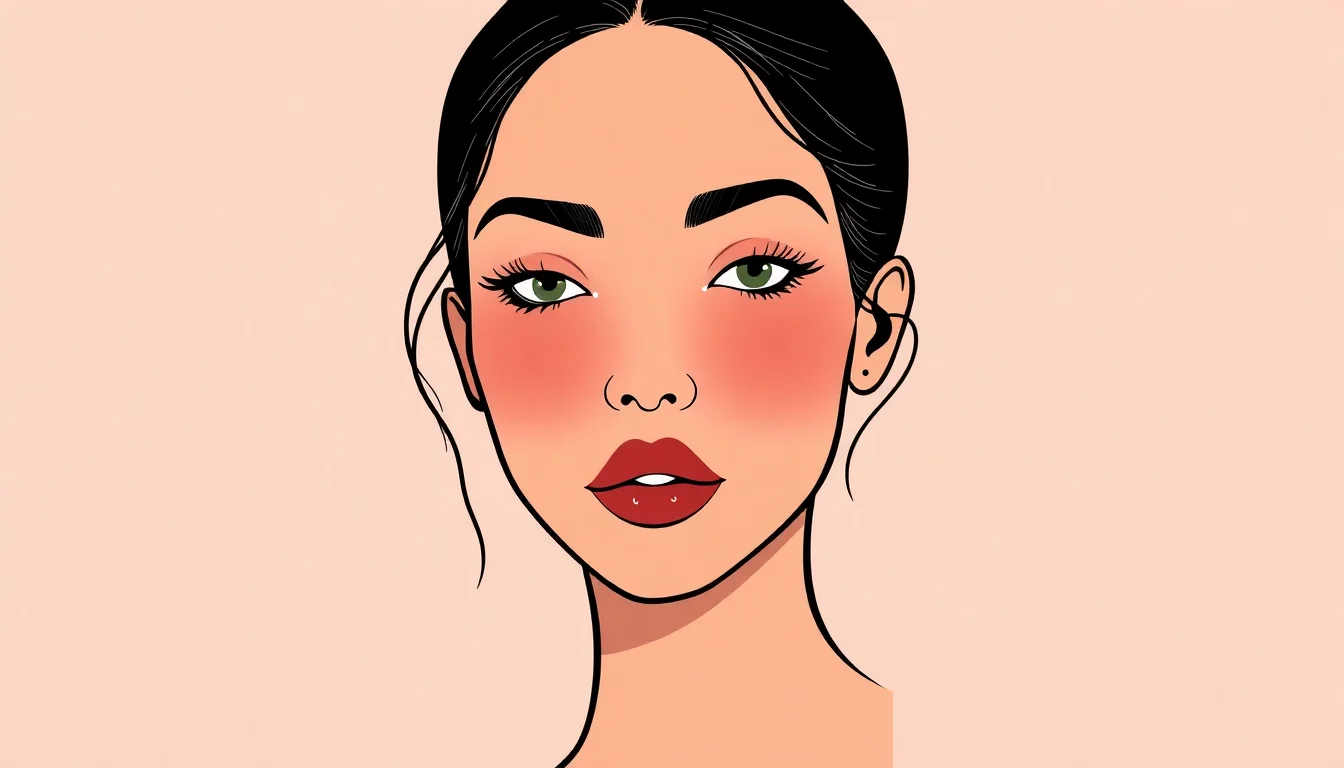
Makeup trends represent the cyclical and often rapid evolution of cosmetic application, reflecting societal values, technological advancements, and cultural influences. Historically, makeup served purposes ranging from ritualistic and medicinal to status signaling and artistic expression. Today, trends are amplified and disseminated globally through social media platforms like TikTok and Instagram, leading to accelerated adoption and obsolescence. Key drivers include celebrity endorsements, influencer marketing, and the democratization of beauty education via online tutorials. Understanding makeup trends requires examining their historical roots, the mechanics of their spread, and their profound impact on individual identity and collective cultural expression.
🎵 Origins & History
The impulse to adorn the face with color and texture predates recorded history. In ancient Egypt, kohl was used for eye enhancement and protection, and women in Rome employed chalk and lead for pallor. Early makeup often served dual purposes: spiritual (warding off evil spirits) and practical (sun protection). The Renaissance saw a surge in artificial beauty standards, particularly in European courts. The 19th century, however, brought a backlash against overt cosmetics, with a preference for natural beauty promoted by figures like Queen Victoria, leading to makeup being associated with actresses and sex workers. This era's repression laid the groundwork for the resurgence of makeup in the 20th century, fueled by the advent of cinema.
⚙️ How It Works
Makeup trends propagate through a complex interplay of cultural diffusion and targeted marketing. Historically, trends emerged from elite circles or artistic movements and trickled down. Today, the process is hyper-accelerated by digital platforms. Influencers on TikTok, Instagram, and YouTube demonstrate techniques and showcase products, creating viral challenges and 'aesthetics' that users rapidly adopt. Brands then capitalize on these organic trends, amplifying them through paid partnerships and advertising campaigns. The 'how-to' aspect is crucial; tutorials break down complex looks into digestible steps, lowering the barrier to entry. This creates a feedback loop where user-generated content informs brand development and marketing strategies, constantly reshaping what is considered 'in' or 'out'.
📊 Key Facts & Numbers
The influence of social media is quantifiable: a single viral TikTok trend can lead to a product selling out globally within hours, as seen with the Rare Beauty liquid blushes in 2023. The rise of direct-to-consumer (DTC) brands has also fragmented the market, with many achieving multi-million dollar valuations within a few years.
👥 Key People & Organizations
Key figures in shaping makeup trends are diverse, ranging from historical icons to contemporary digital creators. Early 20th-century screen sirens like Marilyn Monroe and Audrey Hepburn set enduring standards for glamour. Makeup artists such as Pat McGrath, known for her avant-garde runway creations, and Charlotte Tilbury, who built a global empire on aspirational beauty, wield immense influence. In the digital age, influencers like James Charles and NikkieTutorials have amassed millions of followers, democratizing makeup artistry. Brands like Glossier tapped into the 'no-makeup makeup' aesthetic.
🌍 Cultural Impact & Influence
Makeup trends are potent cultural signifiers, reflecting and shaping societal norms around beauty, gender, and identity. The 'flapper' makeup of the 1920s, with its bold lips and eyes, symbolized newfound female liberation. The rise of drag culture has significantly influenced mainstream trends, popularizing techniques like contouring and cut-creases. Conversely, trends like 'Republican makeup' or 'MAGA makeup,' characterized by heavy application, have emerged as political statements, as noted by figures like Suzanne Lambert and Karoline Leavitt. The 'clean girl aesthetic' of the early 2020s, emphasizing minimal, polished looks, reflects a desire for perceived authenticity and self-care in a hyper-connected world.
⚡ Current State & Latest Developments
The current makeup landscape is characterized by rapid micro-trends, often driven by TikTok's algorithm. 'Latte makeup,' 'strawberry makeup,' and 'mob wife aesthetic' are recent examples, each with distinct color palettes and application styles. There's a growing emphasis on 'skinimalism'—achieving a healthy, radiant complexion with minimal product—alongside a persistent fascination with bold, graphic eyeliner and experimental lip looks. The integration of AI in product development and personalized recommendations is also on the rise, with companies exploring AI-driven shade matching and virtual try-on experiences. Sustainability and 'clean beauty' continue to be significant consumer demands, pushing brands to reformulate products and adopt eco-friendly packaging.
🤔 Controversies & Debates
Makeup trends are not without controversy. The pursuit of certain looks can perpetuate unrealistic beauty standards, contributing to body image issues and the demand for cosmetic surgery. Debates also arise around cultural appropriation, with certain makeup styles or techniques being adopted by dominant cultures without acknowledging their origins. Furthermore, the political dimension of makeup, as seen with 'Republican makeup,' can turn cosmetic choices into divisive cultural battlegrounds. The environmental impact of the beauty industry, from packaging waste to microplastic pollution, is another significant area of contention.
🔮 Future Outlook & Predictions
The future of makeup trends will likely be shaped by further technological integration and evolving societal values. Augmented reality (AR) and AI will play an increasingly dominant role, offering hyper-personalized virtual try-ons and AI-generated trend forecasting. We may see a rise in 'smart makeup' that adapts to skin needs or environmental conditions. The demand for sustainable and ethically sourced products will intensify, pushing for greater transparency and innovation in biodegradable materials and refillable packaging. As gender norms continue to blur, makeup trends will likely become even more fluid and inclusive, moving beyond traditional gendered applications. The concept of 'beauty tech' will merge cosmetics with wearable technology, blurring the lines between makeup and functional accessories.
💡 Practical Applications
Makeup trends have direct practical applications in personal expression, professional grooming, and artistic endeavors. For individuals, makeup is a tool for self-confidence, identity exploration, and social signaling. In professional settings, subtle makeup can be used to project competence and polish. The entertainment industry relies heavily on makeup for character development, special effects, and creating iconic looks for actors and performers. Furthermore, makeup artistry itself has become a viable career path, with skilled artists working in film, television, fashion, and bridal industries. The development of specialized makeup for medical purposes, such as camouflage makeup for burn victims or scar coverage, also represents a critical practical application.
Key Facts
- Category
- aesthetics
- Type
- topic