
Contents
Overview
Makeup artistry techniques encompass the diverse methods and skills employed to alter or enhance a person's appearance using cosmetic products. These techniques range from subtle enhancements for everyday wear to elaborate transformations for theatrical performances, film, and special effects. Historically, makeup served ritualistic, social, and medicinal purposes before evolving into a sophisticated art form. Modern makeup artistry involves understanding color theory, skin types, product formulations, and the precise application of tools like brushes, sponges, and airbrushes. Key techniques include foundation application for flawless skin, contouring and highlighting to sculpt features, eyeshadow blending for dramatic or subtle eye looks, and lip artistry for definition and color. The field is constantly evolving with new product innovations and artistic trends, driven by social media, celebrity culture, and advancements in cosmetic science, impacting everything from personal grooming to the visual storytelling of cinema.
🎵 Origins & History
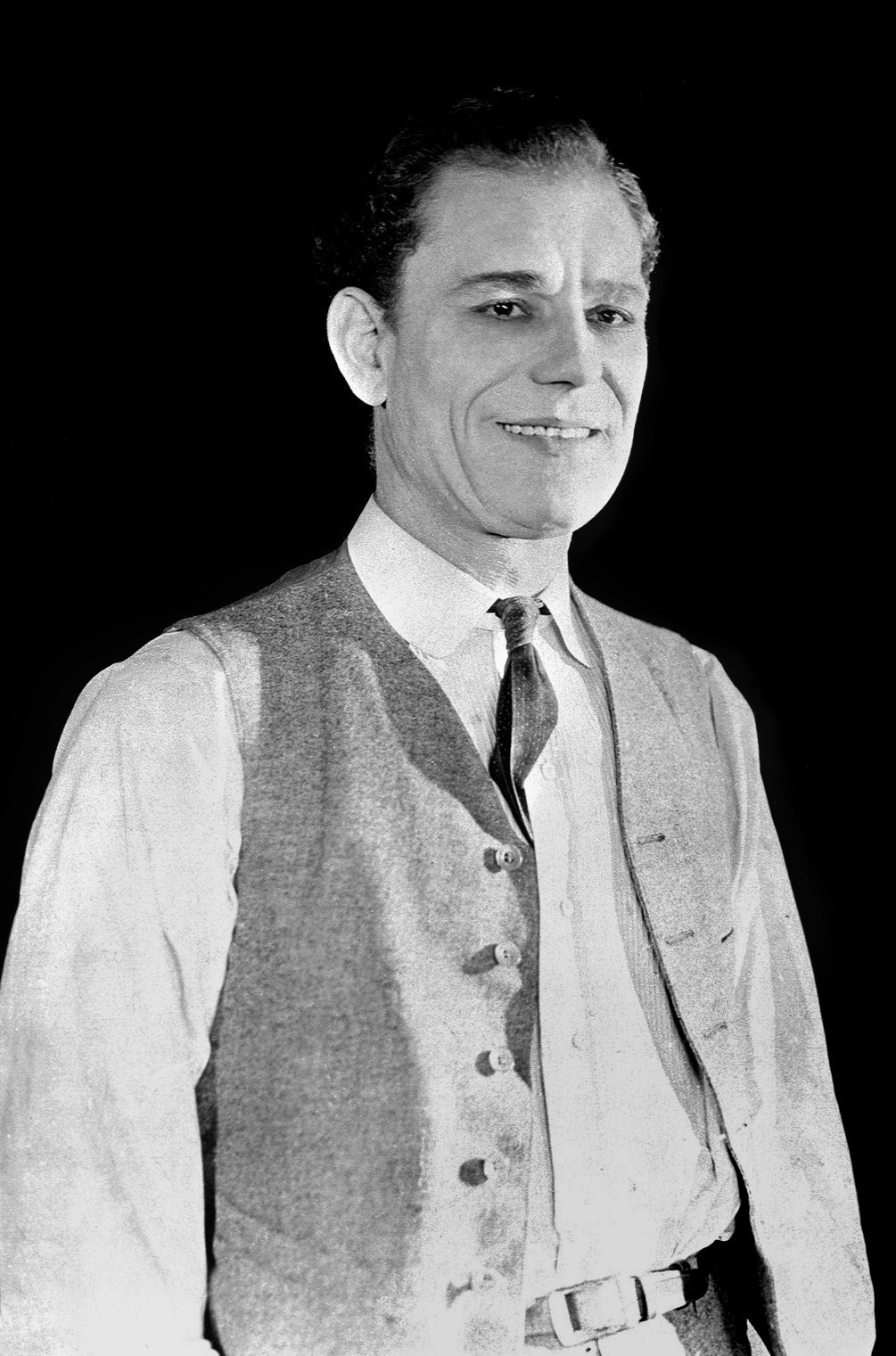
Ancient Egyptians used kohl for eye definition and ochre for lip and cheek color. In ancient Rome, women employed lead-based powders and chalk to lighten their complexions, a practice later echoed by the geishas of Japan who utilized rice powder for a pale visage. The theatrical traditions of Kabuki in Japan and opera in Europe developed specialized techniques for stage visibility, laying groundwork for dramatic characterization. The silent film era pushed the boundaries of transformative makeup, with Lon Chaney using materials like collodion and spirit gum.
⚙️ How It Works
At its core, makeup artistry is about manipulating light, shadow, and color on the canvas of the face. This involves understanding the principles of color theory to neutralize undertones with concealers, create depth with contour shades, and add dimension with highlighters. Application techniques are dictated by the product and desired effect: liquid foundations are often blended with sponges or brushes for a seamless finish, while powders might be pressed or swept. Eyeshadow blending relies on a gradient of shades and precise brushwork to achieve looks from subtle definition to dramatic smokey eyes. Lip liner and lipstick application require steady hands and an understanding of lip anatomy to create shape and fullness. Special effects makeup, a highly specialized branch, utilizes prosthetics, latex, and advanced layering techniques to create wounds, aging, or entirely new creatures, as seen in films like An American Werewolf in London.
📊 Key Facts & Numbers
The global cosmetics market is a colossal industry. Professional makeup artists cater to diverse needs, from bridal parties to high-fashion photoshoots. Social media platforms have amplified reach; YouTube and Instagram are significant platforms for makeup content. The film industry alone spends millions annually on makeup departments, with major productions often allocating budgets for special effects makeup.
👥 Key People & Organizations
Pioneers have profoundly shaped modern makeup. Contemporary influencers and artists have leveraged platforms like TikTok and YouTube to build massive followings, democratizing access to techniques and product reviews.
🌍 Cultural Impact & Influence
Makeup artistry techniques have permeated nearly every facet of visual culture. From the aspirational images on Vogue covers to the character transformations in blockbuster films like Avatar, makeup artists are invisible storytellers. The rise of influencer marketing has turned makeup artists into celebrities in their own right, dictating trends and driving consumer behavior. Social media challenges and viral looks, such as the clown contour trend, demonstrate the rapid dissemination and adaptation of techniques. Furthermore, makeup artistry plays a crucial role in identity expression for individuals across the gender spectrum, offering tools for self-affirmation and performance, as explored in the ball culture scene documented in Paris is Burning.
⚡ Current State & Latest Developments
The current landscape of makeup artistry is characterized by hyper-realism, digital integration, and a growing emphasis on skin health. The 'skinimalism' technique prioritizes natural texture and radiance, moving away from heavy, matte finishes. The integration of augmented reality filters on platforms like Snapchat and Instagram allows for virtual makeup try-ons and the creation of fantastical digital looks, blurring the lines between physical and virtual application. Brands are increasingly focusing on sustainable formulations and ethical sourcing, influencing the types of products makeup artists use. The demand for specialized skills in areas like paramedical tattooing and prosthetic makeup continues to grow, reflecting a diversification of the field beyond traditional beauty applications.
🤔 Controversies & Debates
The debate surrounding makeup artistry often centers on authenticity versus artificiality, and the societal pressures it can perpetuate. Critics argue that the pursuit of 'flawless' skin through heavy foundation and contouring can promote unrealistic beauty standards, particularly for young women, as highlighted in discussions around body dysmorphia. The use of skin-lightening products in some cultures, driven by historical biases favoring lighter complexions, remains a contentious issue. Conversely, proponents argue that makeup is a form of self-expression, creativity, and empowerment, akin to any other art form, and that judging its use is a form of aesthetic policing. The ethical implications of using animal-tested products and the environmental impact of cosmetic packaging also fuel ongoing controversies within the industry.
🔮 Future Outlook & Predictions
The future of makeup artistry is poised for significant technological integration and personalization. Expect advancements in biotechnology to lead to makeup that adapts to skin conditions or environmental factors in real-time. Artificial intelligence will likely play a larger role in personalized shade matching and custom formulation recommendations, potentially leading to AI-driven makeup application devices. The demand for hyper-realistic digital art and virtual influencers will continue to push the boundaries of what's possible in digital makeup. Furthermore, as discussions around gender and identity evolve, makeup artistry will likely see even greater innovation in inclusive product lines and techniques that celebrate diverse forms of self-expression, potentially moving beyond binary gendered applications.
💡 Practical Applications
Makeup artistry techniques find application across a vast spectrum of industries and personal uses. In film and television, they are essential for character development, historical accuracy, and creating believable fantastical elements. The fashion industry relies heavily on makeup artists to realize designers' visions on the runway and in editorial shoots. For individuals, techniques are used daily for personal grooming, enhancing features, and expressing personal style. The theatrical arts employ makeup for stage presence and character portrayal, ensuring actors are visible and distinct from afar. Special effects makeup artists are crucial in
Key Facts
- Category
- aesthetics
- Type
- topic