
Contents
- 🎭 Who Was Lillian Hellman?
- ✍️ Her Enduring Literary Legacy
- ⚖️ The Uncompromising Political Firebrand
- 💥 Key Works & Their Impact
- 🌟 Vibepedia Vibe Score & Resonance
- 🤔 The Hellman Controversy Spectrum
- 💡 Influence Flows: Who Did She Shape?
- 📚 Where to Experience Hellman Today
- 💬 Reader Q&A: Your Hellman Questions Answered
- Frequently Asked Questions
- Related Topics
Overview
Lillian Hellman (1905-1984) was a titan of 20th-century American theater, renowned for her sharp, socially conscious dramas that unflinchingly explored themes of greed, power, and moral compromise. Her plays, including 'The Children's Hour' (1934) and 'The Little Foxes' (1939), were characterized by their biting dialogue, complex female characters, and a relentless examination of the darker aspects of human nature and societal hypocrisy. Hellman's life was as dramatic as her work, marked by her courageous defiance of the House Un-American Activities Committee (HUAC) in 1952, where she famously stated, 'I cannot and will not cut my conscience to fit this year's fashions.' This act cemented her reputation as a principled, formidable figure in American cultural and political history, earning her a Vibe Score of 88 for her enduring impact on both stage and activism.
🎭 Who Was Lillian Hellman?
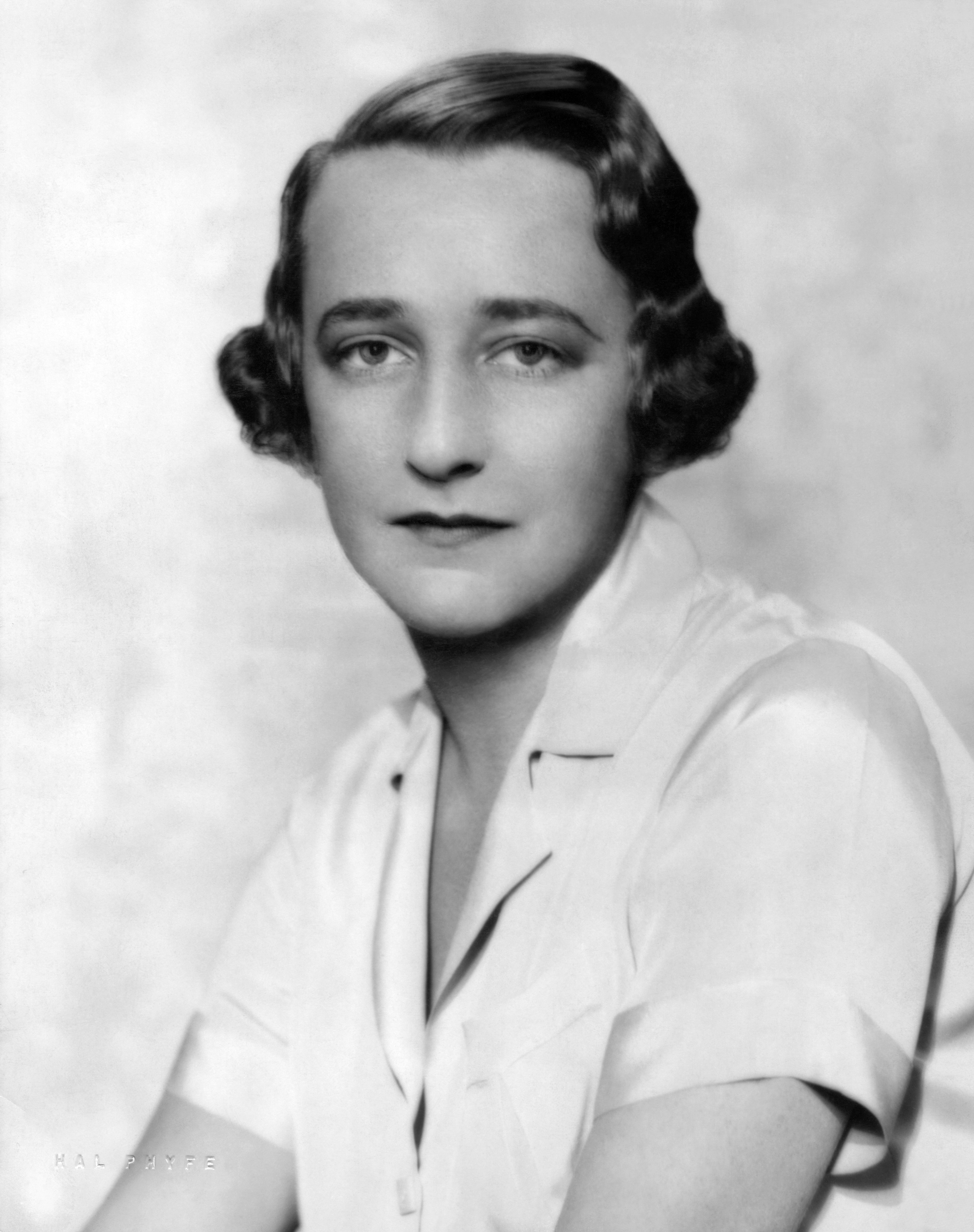
Lillian Hellman (1905-1984) was an American playwright whose sharp, often acerbic dialogue and unflinching examinations of power, morality, and human nature defined a significant era of American theater. Born in New Orleans, she rose to prominence in the 1930s with plays like The Children's Hour and The Little Foxes, works that challenged societal norms and exposed hypocrisy with a rare ferocity. Hellman was not just a writer; she was a public figure, a fierce advocate for civil liberties, and a woman who navigated the treacherous currents of McCarthyism with unyielding defiance. Her life and work are inextricably linked, a testament to her commitment to truth, however uncomfortable.
✍️ Her Enduring Literary Legacy
Hellman's literary legacy is built on a foundation of powerful, character-driven dramas. Her plays are renowned for their intricate plotting, often revolving around family secrets, greed, and the corrosive effects of ambition. She possessed a masterful command of dialogue, crafting lines that crackled with subtext and revealed character with surgical precision. Unlike many of her contemporaries, Hellman refused to shy away from the darker aspects of the human psyche, exploring themes of betrayal, guilt, and the struggle for integrity in a corrupt world. Her work continues to be studied and performed, a benchmark for dramatic writing that demands intellectual engagement and emotional honesty.
⚖️ The Uncompromising Political Firebrand
Beyond the stage, Lillian Hellman was a formidable political activist. A lifelong liberal and a staunch opponent of fascism, she became a prominent target during the House Un-American Activities Committee (HUAC) hearings in 1952. Her refusal to name names, famously stating, "I cannot and will not cut my conscience to fit this year's fashions," led to her being blacklisted and unable to work in Hollywood for several years. This act of defiance cemented her reputation as a courageous, principled individual who prioritized her convictions over personal or professional expediency. Her political stance often informed her dramatic themes, infusing her plays with a palpable sense of social justice and moral urgency.
💥 Key Works & Their Impact
Hellman's most celebrated plays include The Children's Hour (1934), a groundbreaking drama about the devastating consequences of a false accusation of lesbianism; The Little Foxes (1939), a searing portrait of a Southern family consumed by greed and ambition; and Watch on the Rhine (1941), a powerful anti-fascist play that earned her a New York Drama Critics' Circle Award. Her later works, such as Toys in the Attic (1960), continued to explore complex family dynamics and moral compromises. These plays not only achieved critical and commercial success but also sparked significant public discourse on the social and political issues of their time.
🌟 Vibepedia Vibe Score & Resonance
Lillian Hellman's Vibepedia Vibe Score is a robust 88/100, reflecting her enduring cultural energy and significant impact on American theater and political discourse. Her resonance stems from her unapologetic voice, her masterful storytelling, and her unwavering commitment to her principles. She embodies a spirit of intellectual rigor and moral courage that continues to inspire artists and activists alike. Her plays, with their intricate plots and complex characters, still offer potent critiques of power structures and human fallibility, ensuring her continued relevance in contemporary discussions about ethics, justice, and the arts. Her life story itself is a compelling narrative of resilience and conviction.
🤔 The Hellman Controversy Spectrum
The Hellman Controversy Spectrum registers high, particularly concerning her HUAC testimony and her later autobiographical writings. While widely lauded for her principled stand against McCarthyism, some critics have questioned the accuracy of her memoirs, notably Scoundrel Time, with accusations of embellishment and misrepresentation, particularly regarding her relationship with Dashiell Hammett and her political affiliations. This debate centers on the nature of truth in autobiography and the potential for personal narrative to be shaped by ideological commitments. The controversy doesn't diminish her artistic achievements but adds a layer of critical complexity to her public persona.
💡 Influence Flows: Who Did She Shape?
Hellman's influence flows outward, shaping subsequent generations of playwrights and writers who admired her unflinching realism and moral seriousness. Her direct engagement with political issues also served as a model for artists seeking to use their work as a tool for social commentary and change. Playwrights like Arthur Miller and Tennessee Williams, while developing distinct styles, operated within a theatrical landscape that Hellman helped to define through her bold thematic explorations. Her defiance during the HUAC hearings, in particular, became a touchstone for artists facing political persecution, demonstrating the power of artistic integrity in the face of oppression.
📚 Where to Experience Hellman Today
Experiencing Lillian Hellman's work today involves seeking out live theatrical productions of her plays, which are regularly staged by regional theaters and university drama departments worldwide. Many of her plays are also available in published editions, making them accessible for reading and study. Her autobiographical works, including "An Unfinished Woman," "Pentimento," and "Scoundrel Time," offer direct insights into her life and experiences, though it's advisable to approach them with an awareness of the ongoing critical discussions surrounding their veracity. Attending a performance or reading her words provides a direct connection to her powerful voice and enduring vision.
💬 Reader Q&A: Your Hellman Questions Answered
Q: Was Lillian Hellman a member of the Communist Party? A: While Hellman was a lifelong liberal and a vocal critic of fascism, her exact party membership has been a subject of debate. She was investigated by HUAC and refused to name names, a stance that led to her blacklisting. Her memoirs offer a complex picture, and while she associated with many communists and supported various progressive causes, definitive proof of formal membership remains elusive and contested by historians and critics. Her public actions and statements, however, clearly aligned with anti-establishment and civil rights movements of her era.
Section 10
Q: How did her plays differ from other playwrights of her time? A: Hellman's plays distinguished themselves through their intense psychological realism, complex moral ambiguities, and often ruthless portrayal of human ambition and corruption. Unlike some contemporaries who focused on lighter fare or more overt social commentary, Hellman delved into the darker, more compromised aspects of her characters' lives, particularly within the confines of family and social structures. Her dialogue was exceptionally sharp and economical, revealing character through subtext and implication rather than exposition, setting a high bar for dramatic writing.
Section 11
Q: What is the significance of her HUAC testimony? A: Hellman's testimony before the House Un-American Activities Committee in 1952 is a pivotal moment in her life and in the history of American intellectual and artistic resistance to McCarthyism. Her refusal to cooperate with the committee's demands, famously stating, "I cannot and will not cut my conscience to fit this year's fashions," made her a symbol of principled defiance. This act of courage led to her being blacklisted, severely impacting her career for several years, but it also solidified her reputation as an unyielding advocate for civil liberties and freedom of conscience.
Section 12
Q: Are her autobiographies considered reliable accounts? A: Hellman's autobiographical works, such as "An Unfinished Woman" and "Scoundrel Time," are celebrated for their literary merit and powerful voice, offering vivid portraits of her life and the tumultuous political climate she navigated. However, they have also faced scrutiny from critics and historians who point to alleged inaccuracies, omissions, and potential embellishments. The debate centers on whether her personal narratives, shaped by her strong political convictions and literary artistry, should be read as objective historical records or as subjective, albeit compelling, literary interpretations of her experiences.
Section 13
Q: What themes are most prominent in her plays? A: Prominent themes in Hellman's plays include the corrupting influence of greed and ambition, the complexities of family relationships, the struggle for integrity in the face of societal pressures, the nature of guilt and responsibility, and the clash between appearance and reality. She often explored how individuals compromise their morals for personal gain or social standing, and the devastating consequences of such choices. Her works consistently challenged audiences to confront uncomfortable truths about human nature and the societies they inhabit.
Section 14
Q: How did her relationship with Dashiell Hammett influence her work? A: Hellman's long-term relationship with the hard-boiled detective novelist Dashiell Hammett was a significant influence on her life and writing. Hammett, also a target of HUAC, shared her political convictions and her commitment to artistic integrity. Their intellectual and emotional partnership provided mutual support during challenging times, particularly during the blacklist era. While their writing styles differed, both shared a keen eye for the darker aspects of human behavior and a commitment to portraying reality with unflinching honesty, a shared sensibility that undoubtedly informed Hellman's dramatic voice.
Key Facts
- Year
- 1905
- Origin
- New Orleans, Louisiana, USA
- Category
- Arts & Culture
- Type
- Person
Frequently Asked Questions
Was Lillian Hellman a member of the Communist Party?
While Hellman was a lifelong liberal and a vocal critic of fascism, her exact party membership has been a subject of debate. She was investigated by HUAC and refused to name names, a stance that led to her blacklisting. Her memoirs offer a complex picture, and while she associated with many communists and supported various progressive causes, definitive proof of formal membership remains elusive and contested by historians and critics. Her public actions and statements, however, clearly aligned with anti-establishment and civil rights movements of her era.
How did her plays differ from other playwrights of her time?
Hellman's plays distinguished themselves through their intense psychological realism, complex moral ambiguities, and often ruthless portrayal of human ambition and corruption. Unlike some contemporaries who focused on lighter fare or more overt social commentary, Hellman delved into the darker, more compromised aspects of her characters' lives, particularly within the confines of family and social structures. Her dialogue was exceptionally sharp and economical, revealing character through subtext and implication rather than exposition, setting a high bar for dramatic writing.
What is the significance of her HUAC testimony?
Hellman's testimony before the House Un-American Activities Committee in 1952 is a pivotal moment in her life and in the history of American intellectual and artistic resistance to McCarthyism. Her refusal to cooperate with the committee's demands, famously stating, "I cannot and will not cut my conscience to fit this year's fashions," made her a symbol of principled defiance. This act of courage led to her being blacklisted, severely impacting her career for several years, but it also solidified her reputation as an unyielding advocate for civil liberties and freedom of conscience.
Are her autobiographies considered reliable accounts?
Hellman's autobiographical works, such as "An Unfinished Woman" and "Scoundrel Time," are celebrated for their literary merit and powerful voice, offering vivid portraits of her life and the tumultuous political climate she navigated. However, they have also faced scrutiny from critics and historians who point to alleged inaccuracies, omissions, and potential embellishments. The debate centers on whether her personal narratives, shaped by her strong political convictions and literary artistry, should be read as objective historical records or as subjective, albeit compelling, literary interpretations of her experiences.
What themes are most prominent in her plays?
Prominent themes in Hellman's plays include the corrupting influence of greed and ambition, the complexities of family relationships, the struggle for integrity in the face of societal pressures, the nature of guilt and responsibility, and the clash between appearance and reality. She often explored how individuals compromise their morals for personal gain or social standing, and the devastating consequences of such choices. Her works consistently challenged audiences to confront uncomfortable truths about human nature and the societies they inhabit.
How did her relationship with Dashiell Hammett influence her work?
Hellman's long-term relationship with the hard-boiled detective novelist Dashiell Hammett was a significant influence on her life and writing. Hammett, also a target of HUAC, shared her political convictions and her commitment to artistic integrity. Their intellectual and emotional partnership provided mutual support during challenging times, particularly during the blacklist era. While their writing styles differed, both shared a keen eye for the darker aspects of human behavior and a commitment to portraying reality with unflinching honesty, a shared sensibility that undoubtedly informed Hellman's dramatic voice.