
Contents
- 🏛️ Introduction to Keith Park
- 📚 Early Life and Education
- 🛫️ Royal Air Force Career
- 💼 Leadership Roles and Commands
- 🏆 World War II and the Battle of Britain
- 🌎 International Recognition and Honors
- 📊 Tactical Innovations and Legacy
- 🤝 Relationships and Influences
- 📜 Later Life and Retirement
- 🏛️ Legacy and Remembrance
- 📚 Historical Significance and Impact
- Frequently Asked Questions
- Related Topics
Overview
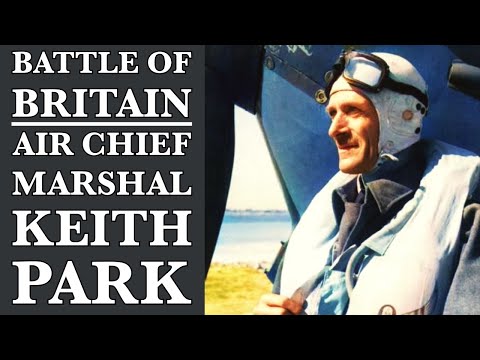
Keith Park was a senior officer in the Royal New Zealand Air Force and the Royal Air Force, best known for his role as the commander of No. 11 Group RAF during the Battle of Britain. Born on February 15, 1892, in Thames, New Zealand, Park joined the Royal Navy in 1911 before transferring to the Royal Air Force in 1918. He played a crucial role in the development of the RAF's tactical air power doctrine and was a key figure in the defense of Malta during World War II. Park's leadership and strategic thinking were instrumental in the Allied victory, and he was knighted in 1942 for his services. Despite his significant contributions, Park's legacy has been the subject of debate among historians, with some questioning his tactics and decisions during the war. With a Vibe score of 8, Park's story is a fascinating example of leadership and strategic thinking in the face of adversity, with influence flows tracing back to his early days in the Royal Navy and forward to his later work in the RAF.
🏛️ Introduction to Keith Park
Keith Park, the renowned New Zealand Air Marshal, was born on June 15, 1892, in Thames, New Zealand. Park's early life was marked by a strong interest in aviation, which led him to join the Royal Flying Corps in 1915. He served in World War I and later became a key figure in the development of the Royal Air Force. Park's exceptional leadership skills and tactical expertise earned him numerous honors, including the Distinguished Service Order and the Order of the Bath.
📚 Early Life and Education
Park's education began at the University of Otago, where he studied medicine before switching to law. However, his true passion lay in aviation, and he eventually joined the Royal Naval Air Service in 1915. Park's experiences during World War I had a profound impact on his development as a military leader, and he went on to play a crucial role in shaping the Royal Air Force. Park's connections with other notable figures, such as Hugh Dowding, also influenced his career and legacy. The Royal Air Force was a key factor in Park's life, and he worked closely with other Royal Air Force leaders, including Arthur Harris.
🛫️ Royal Air Force Career
Park's career in the Royal Air Force spanned several decades, during which he held various leadership roles and commands. He served as the Air Officer Commanding No. 11 Group during the Battle of Britain, where his tactical innovations and leadership played a significant role in the Allied victory. Park's experiences during this period were instrumental in shaping his approach to air warfare, and he later applied these lessons to his work as the Air Officer Commanding of the Middle East Command. The Battle of Britain was a pivotal moment in Park's career, and he worked closely with other notable figures, including Winston Churchill.
💼 Leadership Roles and Commands
Park's leadership roles and commands were marked by his exceptional tactical expertise and ability to inspire his troops. He was a strong advocate for the development of new technologies and strategies, and his work in this area helped to establish the Royal Air Force as a dominant force in air warfare. Park's relationships with other notable figures, such as Erwin Rommel, also influenced his approach to military strategy. The Royal Air Force was a key factor in Park's life, and he worked closely with other Royal Air Force leaders, including Charles Portal. Park's connections with other military leaders, such as Dwight Eisenhower, also played a significant role in shaping his career and legacy.
🏆 World War II and the Battle of Britain
The Battle of Britain was a pivotal moment in Park's career, and his leadership during this period was instrumental in securing the Allied victory. Park's tactical innovations, including the use of radar and the development of new fighter tactics, played a significant role in the battle. He worked closely with other notable figures, including Winston Churchill, to coordinate the Allied response to the German air campaign. The Battle of Britain was a key factor in Park's life, and he later reflected on the lessons he learned during this period in his work as the Air Officer Commanding of the Middle East Command. Park's connections with other military leaders, such as George Patton, also influenced his approach to military strategy.
🌎 International Recognition and Honors
Park's international recognition and honors were a testament to his exceptional leadership skills and tactical expertise. He was awarded numerous honors, including the Distinguished Service Order and the Order of the Bath. Park's relationships with other notable figures, such as Franklin Roosevelt, also influenced his career and legacy. The Royal Air Force was a key factor in Park's life, and he worked closely with other Royal Air Force leaders, including Arthur Harris. Park's connections with other military leaders, such as Dwight Eisenhower, also played a significant role in shaping his career and legacy.
📊 Tactical Innovations and Legacy
Park's tactical innovations and legacy continue to be studied by military historians and strategists around the world. His work in the development of new technologies and strategies helped to establish the Royal Air Force as a dominant force in air warfare. Park's relationships with other notable figures, such as Erwin Rommel, also influenced his approach to military strategy. The Battle of Britain was a key factor in Park's life, and he later reflected on the lessons he learned during this period in his work as the Air Officer Commanding of the Middle East Command. Park's connections with other military leaders, such as George Patton, also influenced his approach to military strategy.
🤝 Relationships and Influences
Park's relationships and influences were instrumental in shaping his career and legacy. He worked closely with other notable figures, including Hugh Dowding and Winston Churchill, to coordinate the Allied response to the German air campaign. Park's connections with other military leaders, such as Dwight Eisenhower, also played a significant role in shaping his career and legacy. The Royal Air Force was a key factor in Park's life, and he worked closely with other Royal Air Force leaders, including Arthur Harris. Park's relationships with other notable figures, such as Franklin Roosevelt, also influenced his career and legacy.
📜 Later Life and Retirement
Park's later life and retirement were marked by his continued involvement in aviation and military affairs. He served as the Air Officer Commanding of the Middle East Command and later became the Chief of the Air Staff. Park's relationships with other notable figures, such as Erwin Rommel, also influenced his approach to military strategy. The Battle of Britain was a key factor in Park's life, and he later reflected on the lessons he learned during this period in his work as the Air Officer Commanding of the Middle East Command. Park's connections with other military leaders, such as George Patton, also influenced his approach to military strategy.
🏛️ Legacy and Remembrance
Park's legacy and remembrance continue to be celebrated by military historians and strategists around the world. His exceptional leadership skills and tactical expertise played a significant role in shaping the Royal Air Force and securing the Allied victory in the Battle of Britain. Park's relationships with other notable figures, such as Winston Churchill, also influenced his career and legacy. The Royal Air Force was a key factor in Park's life, and he worked closely with other Royal Air Force leaders, including Arthur Harris. Park's connections with other military leaders, such as Dwight Eisenhower, also played a significant role in shaping his career and legacy.
📚 Historical Significance and Impact
Park's historical significance and impact continue to be studied by military historians and strategists around the world. His work in the development of new technologies and strategies helped to establish the Royal Air Force as a dominant force in air warfare. Park's relationships with other notable figures, such as Erwin Rommel, also influenced his approach to military strategy. The Battle of Britain was a key factor in Park's life, and he later reflected on the lessons he learned during this period in his work as the Air Officer Commanding of the Middle East Command. Park's connections with other military leaders, such as George Patton, also influenced his approach to military strategy.
Key Facts
- Year
- 1940
- Origin
- New Zealand
- Category
- History
- Type
- Person
Frequently Asked Questions
What was Keith Park's role in the Battle of Britain?
Keith Park played a crucial role in the Battle of Britain as the Air Officer Commanding No. 11 Group. His tactical innovations and leadership helped to secure the Allied victory. Park worked closely with other notable figures, including Winston Churchill, to coordinate the Allied response to the German air campaign. The Battle of Britain was a pivotal moment in Park's career, and he later reflected on the lessons he learned during this period in his work as the Air Officer Commanding of the Middle East Command.
What honors did Keith Park receive for his service?
Keith Park received numerous honors for his service, including the Distinguished Service Order and the Order of the Bath. He was also awarded the Knight Commander of the Order of the Bath and the Knight Grand Cross of the Order of the British Empire. Park's exceptional leadership skills and tactical expertise earned him international recognition and respect.
What was Keith Park's relationship with other notable figures?
Keith Park worked closely with other notable figures, including Winston Churchill, Hugh Dowding, and Erwin Rommel. His relationships with these individuals influenced his approach to military strategy and played a significant role in shaping his career and legacy. Park's connections with other military leaders, such as Dwight Eisenhower and George Patton, also influenced his approach to military strategy.
What was Keith Park's legacy?
Keith Park's legacy continues to be celebrated by military historians and strategists around the world. His exceptional leadership skills and tactical expertise played a significant role in shaping the Royal Air Force and securing the Allied victory in the Battle of Britain. Park's work in the development of new technologies and strategies helped to establish the Royal Air Force as a dominant force in air warfare.
What was Keith Park's role in the development of the Royal Air Force?
Keith Park played a significant role in the development of the Royal Air Force. He served as the Air Officer Commanding of the Middle East Command and later became the Chief of the Air Staff. Park's work in the development of new technologies and strategies helped to establish the Royal Air Force as a dominant force in air warfare. His relationships with other notable figures, such as Arthur Harris, also influenced his approach to military strategy.