
Contents
Overview
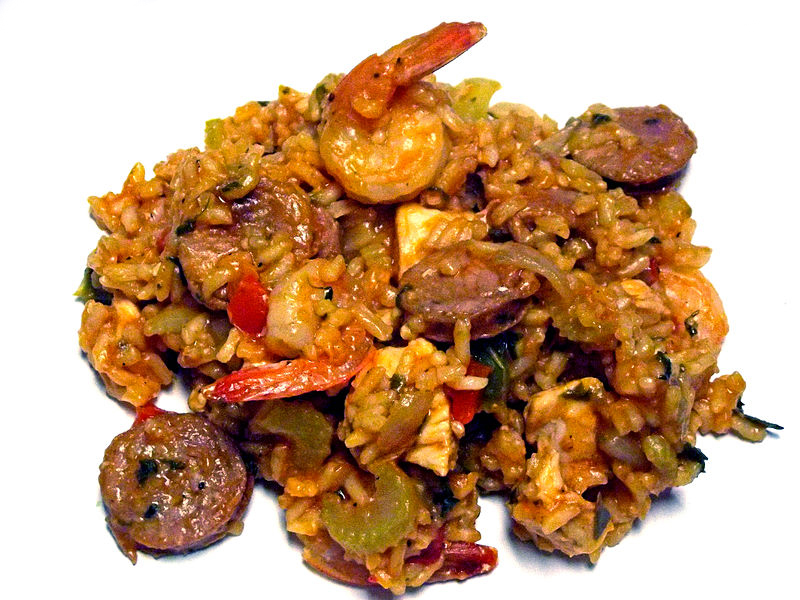
The genesis of jambalaya is a fascinating confluence of culinary histories, primarily rooted in Louisiana's colonial past. West African rice dishes laid a foundational element, particularly the use of a single pot for a complete meal. The Spanish brought their iconic paella, another one-pot rice creation. French culinary techniques and ingredients, notably the introduction of the tomato to West African cooking by French colonists, further shaped the dish. This complex interplay of cultures, occurring primarily in the humid, fertile lands of Louisiana, led to the development of distinct regional styles, most notably the Creole version found in New Orleans and the Acadian (or Cajun) version prevalent in the Acadiana region.
⚙️ How It Works
Crafting authentic jambalaya is an art form that hinges on the careful layering of flavors and textures. The process typically begins with rendering fat from meats, then sautéing the aromatic base of the 'holy trinity': diced onions, bell peppers, and celery. Garlic is often added, followed by tomatoes (in Creole versions) or a darker roux (in Cajun versions). Rice is then incorporated, absorbing the flavorful liquid, which can be broth, water, or even beer. Meats and seafood, such as shrimp, crawfish, or chicken, are added, and the mixture is simmered until the rice is tender and the flavors have melded. The key is achieving perfectly cooked, separate grains of rice that have absorbed the rich, spicy broth without becoming mushy.
📊 Key Facts & Numbers
Jambalaya's presence is quantifiable, with Louisiana producing an estimated 10 million pounds of rice annually, a staple ingredient. A typical serving of jambalaya can range from 400 to 700 calories, depending on the ingredients. In 2019, the Louisiana Food industry, which heavily features dishes like jambalaya, contributed an estimated $10 billion to the state's economy. Surveys indicate that over 70% of Louisianans consume jambalaya at least once a month, with some households preparing it weekly. The global market for rice, the dish's backbone, is valued at over $200 billion, underscoring the widespread appeal of rice-based cuisine.
👥 Key People & Organizations
While no single individual can claim sole invention, key figures and communities have shaped jambalaya's legacy. The Acadian exiles, who settled in Louisiana after being expelled from Nova Scotia in the mid-18th century, are credited with developing the Cajun style. Creole cooks, particularly in New Orleans, refined the tomato-based, more refined version. Chefs like Paul Prudhomme, founder of K-Paul's Louisiana Kitchen, popularized Cajun and Creole cuisine globally, including jambalaya, through his cookbooks and television appearances starting in the late 1970s. The University of Louisiana at Lafayette's Center for Louisiana Studies actively documents and promotes the region's culinary heritage, including jambalaya traditions.
🌍 Cultural Impact & Influence
Jambalaya is more than just a meal; it's a cultural ambassador for Louisiana. It embodies the spirit of Southern hospitality, often served at family gatherings, festivals, and community events, fostering a sense of togetherness. Its influence extends beyond the plate, inspiring music, literature, and art that celebrate Louisiana's unique cultural tapestry. The dish has achieved iconic status, appearing in countless cookbooks, food blogs, and television shows dedicated to American regional cuisine, solidifying its place in the global culinary consciousness. Its vibrant flavors and communal nature have made it a beloved dish far beyond the bayous of Louisiana.
⚡ Current State & Latest Developments
In 2024, jambalaya continues to thrive, with chefs and home cooks alike experimenting with its traditional framework. The rise of online recipe platforms like Allrecipes.com and Food Network has made jambalaya recipes accessible to millions worldwide, leading to increased global interest. Food festivals dedicated to Louisiana cuisine, such as the Breaux Bridge Crawfish Festival, continue to feature jambalaya prominently. Furthermore, the growing interest in farm-to-table movements is encouraging the use of locally sourced ingredients, from Louisiana rice to Gulf shrimp, in contemporary jambalaya preparations. The ongoing popularity of Southern cooking on social media platforms like TikTok ensures jambalaya's continued visibility.
🤔 Controversies & Debates
The primary controversy surrounding jambalaya centers on its regional authenticity: Creole versus Cajun. Creole jambalaya, typically found in New Orleans, features tomatoes, giving it a reddish hue and a slightly sweeter profile. Cajun jambalaya, originating from the more rural Acadiana region, often omits tomatoes, relying on a darker roux and the natural color of the ingredients, resulting in a browner, earthier flavor. Debates also arise over the inclusion of specific meats or seafood, the precise spice blend, and the optimal cooking method. Some purists argue that only specific types of sausage, like andouille, are acceptable, while others champion the use of chicken and shrimp, or even a vegetarian version, sparking lively discussions among enthusiasts.
🔮 Future Outlook & Predictions
The future of jambalaya appears robust, with its adaptability ensuring continued relevance. We can anticipate further innovation in plant-based versions, catering to the growing demand for vegan and vegetarian options, potentially utilizing ingredients like jackfruit or mushrooms to mimic meat textures. The influence of global spice trends may introduce new flavor profiles, perhaps incorporating elements from Caribbean or Asian cooking. As culinary tourism to Louisiana continues to grow, so too will the demand for authentic jambalaya experiences, potentially leading to more specialized jambalaya restaurants and cooking classes. Expect to see jambalaya continue its journey from a regional staple to a globally recognized comfort food.
💡 Practical Applications
Jambalaya's practical applications are primarily culinary, serving as a versatile and satisfying main course. It's a staple in Louisiana restaurants, from casual diners to upscale establishments. Beyond dining out, it's a popular dish for home cooks, ideal for feeding a crowd due to its one-pot nature and scalability. It's also a common feature at potluck meals, tailgating events, and catering services. Furthermore, the concept of a flavorful, rice-based one-pot meal has inspired similar dishes in other cuisines, demonstrating its broader culinary utility and adaptability as a template for hearty, flavorful cooking.
Key Facts
- Category
- culture
- Type
- concept