
Contents
Overview
The genesis of the iPhone can be traced back to Apple's "Project Purple," initiated in 2004. Spearheaded by key figures like Steve Jobs, Tony Fadell, and Jony Ive, this secretive endeavor aimed to create a revolutionary mobile device. Apple's initial exploration into a tablet form factor eventually pivoted towards a smartphone, leading to a clandestine collaboration with Cingular Wireless (later AT&T Mobility). The first-generation iPhone was officially announced by Steve Jobs at Macworld 2007 on January 9, 2007, and launched on June 29, 2007. This marked a significant departure from traditional mobile phones, featuring a multi-touch display and an on-screen keyboard, fundamentally altering user interaction. Subsequent models, such as the iPhone 3G (released July 11, 2008), introduced faster connectivity and the pivotal App Store, a platform that would foster a massive ecosystem of third-party applications, further solidifying Apple's dominance in the mobile market.
⚙️ How It Works
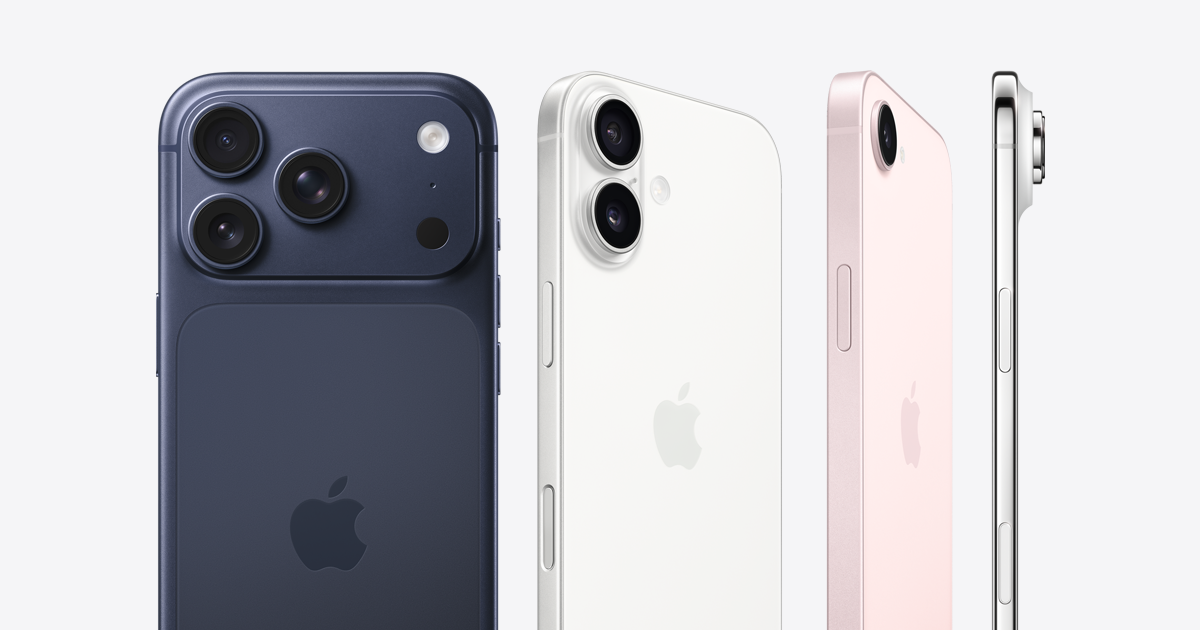
At its core, the iPhone operates on Apple's proprietary mobile operating system, iOS. This intuitive software, designed for touch interaction, powers a vast array of functionalities, from communication and productivity to entertainment and advanced computing. The iPhone's multi-touch interface, perfected by Apple, allows users to manipulate content with gestures like pinching to zoom and flicking to scroll, recreating a tactile experience. Key hardware innovations include the Retina display for sharper visuals, the A-series chips (such as the A19 and A19 Pro) for powerful performance and efficiency, and advanced camera systems capable of high-resolution photography and 4K video recording. Features like Face ID and Touch ID provide secure authentication, while technologies like 5G connectivity and MagSafe accessories enhance the user experience, demonstrating Apple's commitment to seamless integration between hardware and software, as seen in the development of the iPhone 17 series and the upcoming iPhone 18 lineup.
🌍 Cultural Impact
The iPhone's cultural impact is profound, extending far beyond its technological capabilities. It popularized the smartphone form factor, creating the "app economy" and transforming how people consume media, communicate, and access information. The device has become a ubiquitous tool for social interaction, content creation, and even activism, influencing trends on platforms like TikTok and Reddit. The iPhone's design and user experience have set industry standards, inspiring countless imitators and driving innovation across the technology sector. Its influence is evident in how we navigate daily life, from using apps for navigation and banking to capturing and sharing moments through its advanced camera systems, making it a central element in modern digital culture.
🔮 Legacy & Future
The iPhone's legacy is one of continuous evolution and market leadership. Apple's consistent release of new models, such as the iPhone 17 series in September 2025 and the anticipated iPhone 18 lineup in September 2026, showcases a commitment to pushing technological boundaries, including the rumored introduction of foldable displays. The device's ability to hold its value longer than other smartphones, coupled with regular iOS updates, ensures its longevity and continued relevance. Apple's focus on privacy, with features like Private Cloud Compute and secure browsing in Safari, further solidifies its user-centric approach. As the iPhone continues to integrate advanced features like Apple Intelligence, it remains a pivotal product in the personal technology landscape, shaping the future of mobile computing and digital interaction.
Key Facts
- Year
- 2007-present
- Origin
- Cupertino, California, USA
- Category
- technology
- Type
- product
Frequently Asked Questions
When was the first iPhone released?
The first-generation iPhone was announced by Steve Jobs on January 9, 2007, and officially launched on June 29, 2007.
What was the most revolutionary feature of the original iPhone?
The most revolutionary feature was its multi-touch interface, which allowed users to interact with the device using gestures like pinching and swiping, eliminating the need for a physical keyboard or stylus.
What is iOS?
iOS is the proprietary mobile operating system developed by Apple Inc. for its iPhone, iPad, and iPod Touch devices. It is known for its intuitive user interface and robust ecosystem.
When are the latest iPhone models typically released?
Apple typically announces and releases its latest iPhone models in September. For example, the iPhone 17 series was released on September 19, 2025, and the iPhone 18 lineup is expected in September 2026.
What are some of the key innovations introduced in later iPhone models?
Later iPhone models have introduced features such as the App Store, Siri (virtual assistant), Retina display, FaceTime, Touch ID, Face ID, 4K video recording, 5G connectivity, MagSafe, and advanced AI capabilities with Apple Intelligence.
References
- apple.com — /iphone/
- macrumors.com — /roundup/iphone-18/
- apple.com — /iphone-17/specs/
- en.wikipedia.org — /wiki/IPhone
- youtube.com — /watch
- phonearena.com — /iphone-18-release-date-price-features-news
- forbes.com — /sites/davidphelan/2026/01/31/apple-wont-launch-iphone-18-in-2026-report-claims-
- facebook.com — /legitngnews/posts/apple-announces-iphones-models-outdated-in-2026-ahead-of-ipho